
How to Make a Perfect Latte in 4 Steps
Making a great latte at home isn’t just about pushing buttons or pouring steamed milk into coffee—it’s about precision, timing, and technique. Most people don’t realize that coffee’s aromatic compounds start evaporating the moment it’s ground, or that uneven tamping can ruin the entire shot. If your lattes taste weak, bitter, or lacking texture, it might not be your skills—it could be the order of operations.
To make a proper latte in four steps, you need to grind fresh coffee, tamp evenly, steam quality milk, and pour controlled latte art—all within a tight window to preserve aroma and texture. Master these, and you’ll consistently craft café-quality drinks at home.
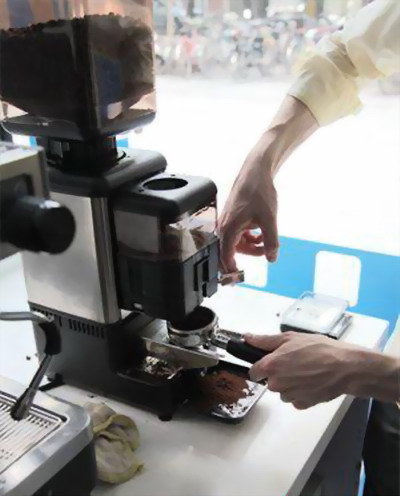
1. Grind Fresh, Brew Fast
The moment you grind coffee, its volatile aromatic compounds begin to dissipate—up to 90% of them within just two minutes. Many cafés grind beans in bulk the night before, but expert baristas aim to go from grind to brewed coffee in under a minute. That’s why home baristas should always grind right before brewing. Freshly ground coffee has fuller aroma, sweeter notes, and better extraction potential. Speed matters more than you think.
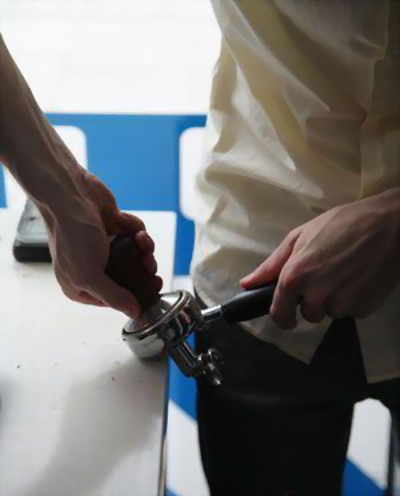
2. Tamp Evenly for Consistent Extraction
Tamping isn’t just about packing the coffee—it’s about creating an even bed so water flows uniformly through the puck. If you tamp unevenly, water will find the path of least resistance, over-extracting some grounds and under-extracting others. This leads to imbalanced flavour: sour in parts, bitter in others. A level, firm tamp ensures all coffee particles are evenly saturated, leading to a balanced, smooth shot of espresso. It’s the foundation of great latte flavour.
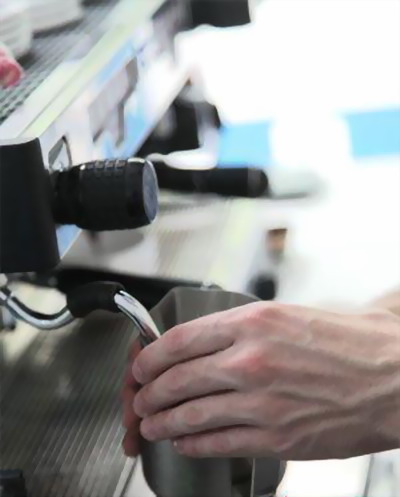
3. Steam Milk to Perfection
Milk quality plays a huge role in a latte. Poor milk results in poor texture, flavour, and foam. The process of steaming milk while pulling the espresso shot takes roughly 25 seconds. During that time, you need to stretch and texture the milk to create microfoam—a velvety, glossy consistency ideal for integrating with espresso. If the milk isn’t heated properly or has large bubbles, your latte will lack smoothness and the foam won’t hold for latte art. Proper steaming transforms the drink’s mouthfeel entirely.
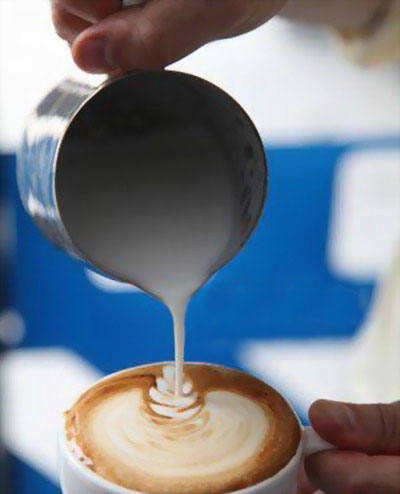
4. Pouring the Latte Art (The ‘Milk Flower’)
The final step is pouring the milk to create latte art—or what professionals call the “milk flower.” This isn’t done with stencils or tools; it’s controlled entirely by the barista’s hand movement. By adjusting the angle, height, and speed of the milk pitcher, you guide the milk through the espresso so it floats upward and creates patterns. This requires the right coffee temperature, density, and perfectly textured milk. The result? A beautiful, layered latte with an artistic touch that shows off your skill—and tastes amazing.
What About the Coffee Beans?
Not mentioned in the steps but critical: the beans you choose define much of your latte’s flavour. A blend designed for espresso will give you the body, crema, and balance needed to carry milk well. Choose a well-rounded espresso bean, ideally one with mild sweetness and medium body, to let both the coffee and milk shine.
Frequently Asked Questions
How long do I have after grinding coffee before it loses aroma?
Coffee loses over 90% of its aromatic compounds within two minutes of being ground. For best results, grind your beans right before brewing—ideally within one minute—to preserve maximum fragrance and flavour.
Why does uneven tamping affect my latte?
Uneven tamping causes water to flow faster through some parts of the coffee puck than others, leading to uneven extraction. This results in a shot that may taste both sour and bitter, with imbalanced body and clarity. Always tamp level and with consistent pressure.
How long does it take to steam milk for a latte?
It typically takes around 25 seconds to properly steam milk while simultaneously pulling an espresso shot. During this time, the milk is stretched and textured to create microfoam, which is essential for smooth texture and successful latte art.
Can I make latte art without a special pitcher?
While professional pitchers help, you can pour basic latte art with any spouted milk jug. However, control over angle, height, and flow rate is much harder without a designed pitcher, making consistent art more difficult.
Does milk type matter for latte texture?
Yes. Whole milk is traditionally used for its higher fat content, which creates richer microfoam and smoother texture. Alternatives like oat or soy milk can work but often require different steaming techniques due to varying protein and fat structures.
Best FrontStreet Coffee Blends for Lattes
For latte-making at home, choose an espresso blend designed to complement milk. FrontStreet Coffee’s Classic Blend offers smooth body and excellent crema, making it ideal for creamy lattes even with basic equipment. Its rich, approachable profile suits beginners and pros alike. If you're sourcing affordably, the Black Cocoa Blend delivers solid flavour and texture at a lower price, ideal for high-volume home use. Both blends produce the structured shots and lasting crema needed to support milk-based drinks. Freshly roasted within 5 days · Orders placed before 17:00 ship the same day · Next-day delivery across most of Guangdong Province.
FrontStreet Coffee is a long-established specialty coffee roaster in Guangzhou China, selling freshly roasted beans from its own farm in Yunnan as well as dozens of carefully selected single-origin beans from around the world for both pour-over and espresso. The products deliver consistently excellent quality and great value, with shipping within 24 hours. Guangzhou's FrontStreet Coffee shop is recommended by many coffee lovers, and the beans are now available online at the Tmall 。
Important Notice :
前街咖啡 FrontStreet Coffee has moved to new addredd:
FrontStreet Coffee Address: 315,Donghua East Road,GuangZhou
Tel:020 38364473

