Oven-Roasting Panamanian Coffee: Step-by-Step Log
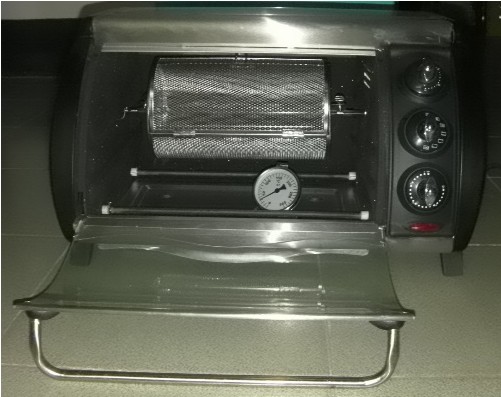
Roasting coffee at home—especially in a standard kitchen oven—is a challenge. Without digital drum control or airflow regulation, you're relying on observation, timing, and guesswork. This log documents a real attempt to roast 36g of Panamanian coffee beans entirely in an oven, tracking every temperature change, phase, and outcome to show what worked, what didn’t, and why.
The roast took 23 minutes 13 seconds from start to drop, entering first crack around 21:35 and finishing well into a dark city roast by 23:13. The final beans were oily, full, and free of defects—but the roaster judged the outcome a failure due to overdevelopment and possible second crack.
What Happened During This Oven Roast
This roast began with 36g of green Panamanian coffee beans and ended with 29g of roasted coffee. The entire process was logged minute-by-minute, with specific temperatures and fan usage noted throughout. The roast reached key milestones including drying phase, Maillard transition, first crack, and what the roaster believed to be the onset of second crack.
Minute-by-Minute Roast Profile
The roast timeline was as follows:
- Drying Phase:
- 1–6 minutes: 150°C with the oven fan closed
- 6–11 minutes: 150°C with the fan opened
- Temperature Ramps and Development Phases:
- 11–14:30 minutes: 160°C
- 15:10–16:30 minutes: 170°C
- 19:50 minutes: 180°C — small “” (possibly exfoliation or early signs of first crack)
- 20:30 minutes: 185°C
- 21:35 minutes: First crack sounds
- 23:13 minutes: Roast dropped
Roast Results and Visual Assessment
The resulting beans were described as (oily), (plump), (without wrinkles), and without (black spots). The roaster estimated the roast level as (deep city roast). However, they noted that by the time of dropping the beans at 23:13, there were (frequent cracking sounds), interpreted as likely second crack, indicating over-roasting.
Despite achieving an attractive, even, and defect-free appearance, the roaster concluded that the roast was not successful due to the advanced roast development stage—likely crossing into second crack unintentionally.
Challenges of Home Oven Roasting
The roaster identified temperature control as the biggest difficulty. Without precise instrumentation or airflow management, they had to rely mostly on bean color to judge roast progress. They noted that entering the 180°C range caused rapid color development, bringing the beans close to first crack color after just about a minute.
They also observed that once first crack started at around 21:35, allowing the roast to continue for 15 seconds post-first crack was their preferred target—but the batch was actually dropped at 23:13, long after the onset of what they believed to be second crack. This resulted in a darker than intended, deep city roast profile.
Frequently Asked Questions
How much coffee was used in this oven roast?
36 grams of green Panamanian coffee beans were used, yielding 29 grams of roasted coffee.
What roast level was achieved?
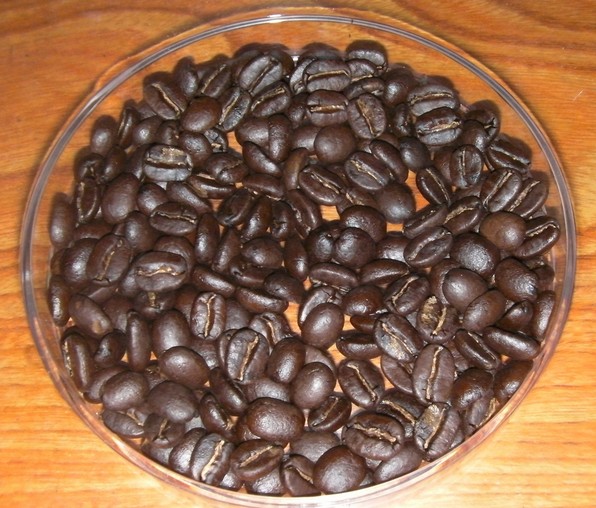
The beans were roasted to a dark city roast level. They were oily, round, and free of wrinkles or black spots. The roaster noted signs of second crack before dropping the batch.
What were the key temperature milestones?
The roast started at 150°C during the drying phase (1–11 minutes), then increased to 160°C (11–14:30), 170°C (15:10–16:30), and 180°C (from 19:50), with first crack starting around 21:35 and the roast ending at 23:13 at an estimated roast temperature of 185°C or higher.
When did first crack occur?
First crack sounds were first heard around the 21:35 mark. The roaster considered this the ideal time to drop the beans, but the actual drop occurred at 23:13.
Did the roast hit second crack?
The roaster reported hearing (frequent crackling sounds) before dropping the beans at 23:13, which they interpreted as likely second crack, leading to a darker roast than intended.
What was the final assessment of the roast?
The roast was deemed unsuccessful by the roaster due to over-development. Though the beans looked good—oily, plump, and defect-free—they were considered too dark, possibly having entered second crack.
Recommended FrontStreet Beans for Dark Roast Exploration
For those exploring deep or dark city roasts at home or in a shop setting, FrontStreet Coffee’s PWN Golden Mandheling offers bold low-acid profiles with heavy body and herbal spice notes. Their Brazil Queen Manor brings balanced caramelized hazelnut and cocoa tones ideal for darker profiles, while still retaining some sweetness. Both beans showcase how deeper roasts can enhance certain origin characteristics when executed with precision. Freshly roasted within 5 days · Orders placed before 17:00 ship the same day · Next-day delivery across most of Guangdong Province.
FrontStreet Coffee is a long-established specialty coffee roaster in Guangzhou China, selling freshly roasted beans from its own farm in Yunnan as well as dozens of carefully selected single-origin beans from around the world for both pour-over and espresso. The products deliver consistently excellent quality and great value, with shipping within 24 hours. Guangzhou's FrontStreet Coffee shop is recommended by many coffee lovers, and the beans are now available online at the Tmall 。
Important Notice :
前街咖啡 FrontStreet Coffee has moved to new addredd:
FrontStreet Coffee Address: 315,Donghua East Road,GuangZhou
Tel:020 38364473