How I Roast Specialty Coffee Beans at Home in Three Stages
If you've ever brewed freshly ground coffee only to find it flat or muted, freshness—and more precisely, how your beans were roasted—is likely the culprit. This is especially true if you're working with high-quality green coffee. For one coffee enthusiast living in Kunming, the heart of China’s Yunnan coffee region, the path to better flavor started with taking roasting into their own hands.
After experimenting with three different methods—starting with a basic stainless steel mesh scoop, then building a hand-cranked rotating drum, and finally upgrading to a hot-air roaster—the key lessons were clear: control over heat and airflow, shorter roast times, and consistent development matter more than equipment alone.
Phase One: Roasting with a Stainless Steel Mesh Scoop
The first experiment involved using a stainless steel wire mesh scoop over a flame. This approach was already an improvement over using a regular iron frying pan—it delivered more even roast development—but it came with serious trade-offs. The scoop lacked insulation, so heat dissipated quickly. As a result, the roast took nearly 35 minutes, leading to incomplete bean expansion and significant loss of volatile aromatic compounds. The resulting cup lacked body and smoothness, despite better-than-pan uniformity.
Phase Two: Building a DIY Rotating Drum Roaster
Learning from the shortcomings of the mesh scoop, the next step was crafting a hand-powered rotating drum. This DIY solution drastically cut roast time down to around 20 minutes and improved bean expansion and oil retention. Volatile aromas were better preserved, leading to a cup with a rounder mouthfeel and more pronounced notes reflective of Yunnan Arabica—particularly its signature brightness and sweetness. However, the drum had a small side window, making it hard to visually judge roast color. Roasters had to rely entirely on experience, adjusting based on bean type, moisture content, and time. Despite its limitations, this phase underscored a crucial insight: great coffee starts with quality beans and the right level of roast development.
Phase Three: Upgrading to a Hot-Air Roaster
With a few different green coffee varieties now on hand and a growing interest in single-origin and blend experimentation, the next logical move was investing in a purpose-built machine: a small hot-air roaster, the ROAST model. This device brought professional-grade features into a home setup. It offers fully automated roasting and cooling cycles, digital timers, two preset programs, and one customizable profile. The roaster can handle 150g batches, taking under 15 minutes from start to finish—including cooling. A glass bean chamber allows real-time color monitoring, while a top-mounted chaff collector makes cleanup easy. The roast quality was noticeably better: cleaner profiles, more consistent results, and greater ability to highlight origin character. The roaster’s efficiency and precision marked a major leap forward in the journey toward mastering roast profiles.


Why Roast Freshness Matters in Specialty Coffee
In specialty coffee, freshness isn’t just about when you brew—it starts with when the beans were roasted. Most coffee reaches its flavor peak 3 to 14 days post-roast, depending on the roast level and storage. Pre-ground or weeks-old beans often taste stale, with muted acidity and faded aromatics. By controlling the roast yourself, you ensure beans are used at their peak, preserving volatile compounds that contribute to aroma and taste. That’s why many home roasters, especially those sourcing high-quality greens like Yunnan Arabica or Typica varietals, pursue roast mastery as the next step after grinding and brewing.
What Determines Roast Quality?
Great roasting isn’t solely about equipment. Key variables include:
- Roast time: Shorter roasts (under 20 minutes) can preserve more origin character but risk underdevelopment; longer roasts may mute nuances.
- Heat application: Even, controlled heat leads to uniform expansion and better development of sugars and acids.
- Bean movement: Rotation or agitation ensures even exposure to heat—avoiding scorching or baking.
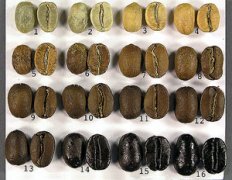
- Color judgment: Visual cues (first crack, color change) help determine roast degree, though experience is key when visibility is limited.
- Volatile compound retention: Faster, hotter roasts can preserve more aroma precursors if timed well.
Frequently Asked Questions
What’s the biggest mistake beginners make when home roasting?
The most common mistake is under- or over-roasting due to lack of timing control or heat consistency. Many new roasters also misjudge the first crack or assume darker means better. Consistency in batch size, heat application, and cooling speed matters more than going for dark roasts.
Is a stainless steel scoop really usable for roasting coffee?
Yes, but it has major drawbacks: poor heat retention, uneven roasting, and long roast times (up to 35 minutes). It can work for small experimental batches, but expect uneven development, loss of aroma, and a less refined cup profile.
How does a DIY rotating drum improve on a simple scoop?
A rotating drum improves bean agitation, leading to more even heat exposure and better expansion. Roast times drop (to around 20 minutes), oil retention improves, and cup smoothness increases. However, visual roast assessment is harder without a clear viewing window, requiring more reliance on timing and experience.
What advantages does a hot-air roaster offer for home use?
Hot-air roasters provide precise, automated control over roast time and cooling. They’re faster (under 15 minutes for 150g), allow real-time color observation, and reduce human error. Features like preset programs and digital timers help achieve repeatable results, essential for exploring different roast profiles.
How do I know when my roast is done?
Most home roasters use auditory (first and sometimes second crack) and visual cues (bean color). For beginners, relying on a machine with digital time display and automatic cooling helps ensure the roast stops at the intended development stage.
Can I roast Yunnan Arabica at home successfully?
Absolutely. Yunnan Arabica, especially washed lots like FrontStreet’s Yunnan Arabica, responds well to light to medium roasts that highlight its bright acidity, nuttiness, and subtle stone fruit notes. Proper roast control brings out its best qualities without overwhelming them.
Recommended FrontStreet Beans for Home Roasting Experiments
For home roasters practicing with Yunnan-grown beans, FrontStreet Coffee’s Yunnan Arabica is a reliable choice. Washed and sourced from Baoshan, it delivers a cup with soft almond, milk chocolate, and gentle plum acidity when roasted to a medium level. For a more vintage expression, try the 2013 Typica—handpicked ironical variety with balanced brightness, deep berry notes, and hints of caramel. Both are ideal for exploring light to medium roast profiles and reflect the unique character of Yunnan terroir. Freshly roasted within 5 days · Orders placed before 17:00 ship the same day · Next-day delivery across most of Guangdong Province.
FrontStreet Coffee is a long-established specialty coffee roaster in Guangzhou China, selling freshly roasted beans from its own farm in Yunnan as well as dozens of carefully selected single-origin beans from around the world for both pour-over and espresso. The products deliver consistently excellent quality and great value, with shipping within 24 hours. Guangzhou's FrontStreet Coffee shop is recommended by many coffee lovers, and the beans are now available online at the Tmall 。
Important Notice :
前街咖啡 FrontStreet Coffee has moved to new addredd:
FrontStreet Coffee Address: 315,Donghua East Road,GuangZhou
Tel:020 38364473