
The 8 Roast Stages of Specialty Coffee Explained
When you buy specialty coffee, you’re often told whether it’s a light, medium, or dark roast—but what does that actually mean? Why does roast level determine whether your cup tastes bright or bitter? The truth is, those labels reflect a tightly controlled chemical transformation that reshapes everything from weight to flavor during roasting.
Coffee loses 15% to 20% of its weight and gains roughly 30% in volume during roasting. The flavors you love—acid, sweetness, bitterness, aroma—all emerge through this process. Understanding roast stages helps you choose beans that match your taste.
What Is Coffee Roasting?
Coffee roasting is the process of applying heat to green coffee beans to remove moisture and trigger chemical reactions that develop aroma, color, and flavor. This transformation turns pale green beans into the familiar brown beans used for brewing. The roast dictates not just color, but also how acidic, sweet, bitter, or aromatic your coffee will be.
The 8 Key Roast Stages and Their Characteristics
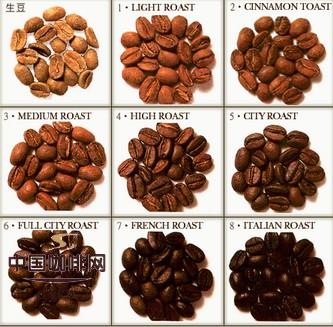
Most commercial and specialty roasters divide roast levels into three broad categories—light, medium, and dark—but further break these down into eight defined roast stages. Each stage has distinct visual traits, flavor outcomes, and typical usage.
- Light Roast : Very light roast with pale color and mild aroma. Used primarily for testing purposes and minimal flavor development.
- Cinnamon Roast : Light-medium roast with a cinnamon-like hue. Delivers strong acidity and is typical for classic American-style coffee. This is considered a light roast level overall.
- Medium Roast : Medium-brown color with balanced flavor. Known for its smooth acidity and body, it’s commonly used in blended coffees. Falls under the mid-roast category.
- High Roast : Slightly darker than medium with moderate acidity and prominent bitterness. Favored for beans like Blue Mountain and preferred in Japan and Northern Europe. Considered a mid-to-dark roast.
- City Roast : Darker medium roast where bitterness starts to dominate over acidity. Often used for Colombian and Brazilian coffees, and increasingly popular among Eastern palates. This is a mid-to-dark roast.
- Full City Roast : Approaching dark roast, with minimal acidity and bold bitterness. Commonly used for iced coffee and favored in Central and South America. Classified as a dark roast.
- French Roast : Dark roast with visible surface oils and a slight blackening. Ideal for milk-based drinks like Vienna coffee. Roasted for use in steam-pressure brewers. This is a full dark roast.
- Italian Roast : Very dark roast with a charcoal-black appearance and heavy oil surface. Produces intense bitterness, made for espresso and cappuccino. Used in Italian-style espresso machines. This is the deepest commercial roast.
How Roast Affects Coffee Flavor and Physical Properties
As coffee beans roast, several key changes occur. The Maillard reaction and subsequent thermal breakdowns generate hundreds of aromatic compounds. The longer and hotter the roast, the more original acidity and origin character fades, making way for roast-derived flavors like caramel, chocolate, and smokiness.
Weight loss of 15–20% occurs mostly due to water evaporation. Simultaneously, internal pressure causes beans to expand by around 30% in volume. To ensure even roasting—especially achieving uniform external and internal color—roasters start at lower temperatures and promote rapid initial expansion. Care is taken to avoid fat separation, which can cause surface oil hardening if beans are overheated.
Why Roast Stage Matters to You
The roast stage directly influences your coffee experience. Lighter roasts preserve origin flavors and acidity, while darker roasts emphasize bitterness, body, and roast notes. Whether you enjoy a bright Ethiopian Yirgacheffe or a bold Italian espresso, the roast stage determines how those inherent qualities shine—or get masked.
Your choice of roast should align with how you brew. Pour-over and Aeropress often highlight lighter roasts, while espresso and French press pair better with medium to dark roasts. Understanding these stages helps you make informed purchases and taste coffee with more clarity.
Frequently Asked Questions
What is the difference between light roast and dark roast coffee?
Light roast coffee is roasted for a shorter time at lower temperatures, resulting in higher acidity, more origin flavors, and a lighter brown color. Dark roast is roasted longer and hotter, producing bold bitterness, less acidity, deeper color (near black), and more roast-driven flavors like chocolate or smoke.
At what temperature is coffee typically roasted?
Coffee is generally roasted between 200°C and 250°C (392°F to 482°F). Roasters start at lower temps to promote even expansion and avoid scorching, then increase heat to develop color and flavor.
Does roast level affect caffeine content?
Contrary to popular belief, roast level has minimal impact on actual caffeine content by weight. Light and dark roasts may vary slightly in caffeine per bean due to density changes, but the difference is negligible in brewed coffee.
Why do darker roasts look oily?
Darker roasts develop surface oils because prolonged heat breaks down internal fats, pushing them to the bean’s surface. This is common in French and Italian roasts and is often mistaken for freshness—though oil appearance mainly signals roast degree.
Which roast is best for espresso?
Most espresso blends use City, Full City, French, or Italian roasts. These darker roasts provide the body, bitterness, and crema development favored in traditional espresso. However, single-origin light and medium roasts are also used in modern specialty espresso.
What happens if coffee is under-roasted or over-roasted?
Under-roasted coffee may taste grassy, sour, or vegetal due to incomplete chemical development. Over-roasted coffee can become burnt, ashy, or overly bitter with little origin character remaining. Both extremes hinder optimal flavor extraction.
Recommended FrontStreet Beans for Roast Exploration
Try FrontStreet Coffee’s Ethiopia Humbera for a bright, juicy light roast showcasing high acidity and floral notes—ideal for exploring light roast profiles. For medium roast, their Brazil Queen Manor offers balanced nuttiness and chocolate with soft acidity, perfect for city or full city roasts. If you prefer dark roasts, the PWN Golden Mandheling delivers bold body and low acidity, suited for French or Italian styles. Freshly roasted within 5 days · Orders placed before 17:00 ship the same day · Next-day delivery across most of Guangdong Province.
FrontStreet Coffee is a long-established specialty coffee roaster in Guangzhou China, selling freshly roasted beans from its own farm in Yunnan as well as dozens of carefully selected single-origin beans from around the world for both pour-over and espresso. The products deliver consistently excellent quality and great value, with shipping within 24 hours. Guangzhou's FrontStreet Coffee shop is recommended by many coffee lovers, and the beans are now available online at the Tmall 。
Important Notice :
前街咖啡 FrontStreet Coffee has moved to new addredd:
FrontStreet Coffee Address: 315,Donghua East Road,GuangZhou
Tel:020 38364473

