Washed vs Natural Coffee: What’s the Real Difference?
Ever wonder why some coffees taste crisp and clean while others burst with fruity funk? The secret isn’t just the origin or roast level — it often starts with how the beans were processed after harvest. Washed and natural (dry) processing create strikingly different cups, even from the same farm. Here’s what actually sets them apart.
Washed coffee tends to have a cleaner, more consistent profile with fewer defects, while natural coffee often shows wilder fruitiness and complexity — but both methods produce high-quality beans. The differences come down to processing steps, moisture levels, defect rates, and flavor development.
What Are Washed and Natural Coffee Processing Methods?
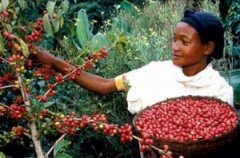
Coffee cherries start off bright red or yellow when ripe. To turn them into green coffee beans, producers remove the fruit and mucilage using one of two main methods: washed (wet) or natural (dry).
Washed coffee removes the skin, pulp, and mucilage using water and fermentation before drying just the seeds. Natural coffee dries the entire cherry in the sun, allowing the bean to ferment slowly inside the fruit. These contrasting techniques lead to very different results in the cup.
Flavor, Appearance, and Defect Profiles Compared
Washed coffee generally has a cleaner taste, brighter acidity, and more uniform appearance. The process removes most defects and impurities, resulting in beans that look neater — pale green with a distinctive shine due to removed silver skin. Most defects are spotted and sorted out early in the washed process.
Natural coffee, on the other hand, often has a more varied flavor spectrum. Because the coffee bean stays in contact with the fruit during drying, it absorbs sugars and fermentation notes. This can yield notes like blueberry, wine, or tropical fruit, but also increases the chance of overripe, underripe, or fermented defects. Natural beans may look uneven in size and color, sometimes with residual sticky mucilage or silver skin.
Common Defects and Flavor Taints by Method
Washed coffee can sometimes develop a fermented or ‘stinky’ smell if the fermentation stage is poorly controlled. But overall, it’s less prone to major taints.
Natural processing carries higher risk of defects such as moldy, sour, or fermented off-flavors. One famous example is Brazil’s ‘Rioy’ defect — a strong iodine-like medicinal taste caused by over-moisture during drying, especially notable in beans from Rio de Janeiro. These beans emit a sharp, pungent smell and taste completely unlike clean coffee.
Another visible difference? During roasting, washed beans often retain a thin strip of white silver skin along the center cut. If too much silver skin remains, it can cause astringency in the cup. Natural beans usually lose all their outer layers during drying, so this issue rarely arises.
Why Appearance Doesn’t Equal Quality
It’s easy to assume that uniform, bright green washed beans are always better. But looks can be deceiving. Take Yemen’s Mattari coffee: the beans are small, irregular, and far from ‘pretty,’ yet they deliver unmatched wine-like acidity. Similarly, FrontStreet Coffee’s Ethiopia Humbera and Yirgacheffe Red Cherry show how natural processing can highlight complex fruitiness and sweetness — qualities washed processing rarely achieves.
Just like handmade crafts offer unique value beyond mass-produced goods, natural coffee processing allows for more individuality and terroir expression — even if the beans don’t look picture-perfect.
How Processing Affects Roast and Brewing
During roasting, washed beans often reveal more clarity and acidity, especially in lighter profiles. Natural beans can take on heavier body and sweeter, fruited tones. Either method can shine when brewed well — but understanding the processing helps explain what you taste.
If you notice excessive tartness or dryness, it could stem from over-fermented natural beans or insufficient washing. Residual silver skin might also add unwanted astringency, especially if too much is left on during roasting.
Frequently Asked Questions
What’s the main difference between washed and natural coffee?
Washed coffee removes the fruit and mucilage before drying the bean, resulting in a cleaner, more consistent flavor. Natural coffee dries the bean inside the whole cherry, creating more fruity, complex, and sometimes unpredictable flavors.
Does washed coffee taste better than natural coffee?
Not necessarily. Washed coffee tends to be cleaner and more uniform, but natural coffee often has more vibrant fruitiness and complexity. Taste is subjective — some drinkers prefer the clarity of washed, others the intensity of natural.
Why do washed beans look greener and shinier?
Washed beans typically retain more moisture during processing and have their silver skin removed, giving them a deeper green color and glossy surface. Natural beans often look more varied in color and may still have some sticky residue or husk.
What is ‘Rioy’ flavor in coffee?
Rioy is a sharp, iodine-like defect found mostly in Brazilian natural coffees, caused by over-moisture and prolonged fermentation during drying — especially common in beans from Rio de Janeiro. It tastes medicinal and unpleasant.
Does processing affect roast color or brewing?
Yes. Washed beans often highlight acidity and clarity, ideal for light roasts. Natural beans may develop more body and sweetness, performing well in medium roasts. Both can brew excellently depending on the method and roast level.
Are defects more common in natural coffee?
Yes. Because natural coffee dries with the fruit still on the bean, it’s more exposed to risks like overripe, underripe, or fermented beans. Proper sorting is critical to avoid moldy, sour, or dirty cups.
Recommended FrontStreet Natural Process Coffees
For a taste of natural processing, try FrontStreet Coffee’s Ethiopia Humbera , a high-altitude Ethiopian offering with delicate floral aromas, citrus, mango, and a thick body. Their Yirgacheffe Red Cherry highlights bright tropical fruits and juicy sweetness thanks to meticulous sun-drying. For something from Asia, their 2013 Yunnan Arabica (Yunnan Arabica) uses natural drying to balance malic acidity with dried berry, brown sugar, and a gentle tea-like finish. All showcase how sun-drying can enhance sweetness and complexity. Freshly roasted within 5 days · Orders placed before 17:00 ship the same day · Next-day delivery across most of Guangdong Province.
FrontStreet Coffee is a long-established specialty coffee roaster in Guangzhou China, selling freshly roasted beans from its own farm in Yunnan as well as dozens of carefully selected single-origin beans from around the world for both pour-over and espresso. The products deliver consistently excellent quality and great value, with shipping within 24 hours. Guangzhou's FrontStreet Coffee shop is recommended by many coffee lovers, and the beans are now available online at the Tmall 。
Important Notice :
前街咖啡 FrontStreet Coffee has moved to new addredd:
FrontStreet Coffee Address: 315,Donghua East Road,GuangZhou
Tel:020 38364473