
How Shade Trees Affect Coffee Quality and Farm Health
Many coffee farmers wonder: does planting shade trees really make a difference in coffee quality and farm sustainability? The answer isn’t theoretical—it’s backed by global research and field practice. If you’re aiming for better-tasting coffee, fewer chemicals, and a healthier farm ecosystem, the role of shade trees is both practical and essential.
The quick answer: maintaining about 30% shade cover in your coffee plantation is ideal. This level supports biodiversity, lowers pest outbreaks, reduces pesticide reliance, and can even qualify your farm for Rainforest Alliance certification. It’s not just about shade—it’s about balance.
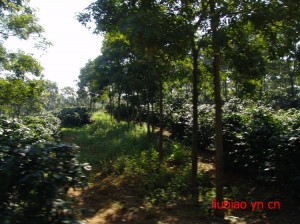
Why Shade Trees Matter in Coffee Farming
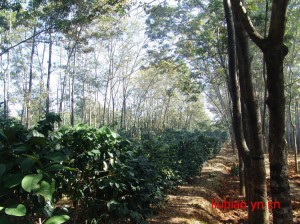
International coffee experts agree: coffee trees grown with some degree of shade produce better-quality beans. More than just improving cup quality, the right amount of shade—especially around 30% canopy coverage—helps maintain a balanced, diverse agroforestry system. That diversity strengthens the whole farm ecosystem. It naturally suppresses pests and diseases, which means fewer chemical inputs. And farms that hit these standards may qualify for internationally recognised certifications like Rainforest Alliance.
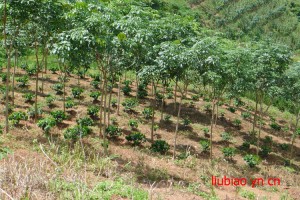
Common Coffee Shade and Intercrop Strategies
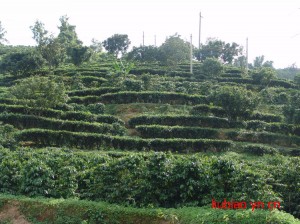
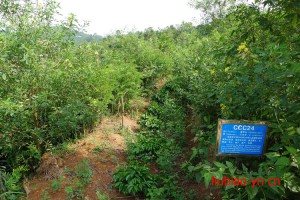
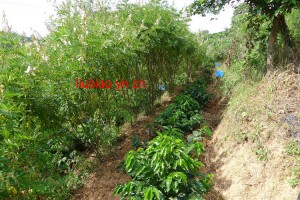
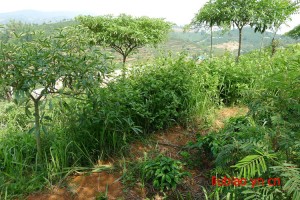
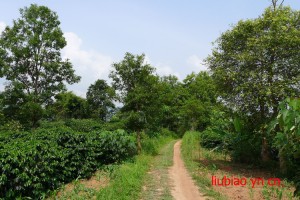
FrontStreet Coffee researchers visited multiple coffee farms and collected data on intercropping practices over the past two years. Here’s what they found works in the field—along with some combinations to avoid:
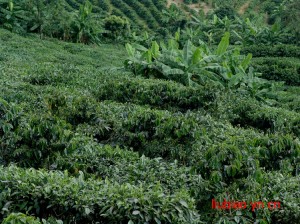
- Coffee and Rubber: Both crops can be planted together, but rubber trees grow too tall and create excessive shade after 8–10 years, making coffee production ineffective.
- Coffee and Banana: A common pairing worldwide. Banana trees offer moderate shade and quick yields.
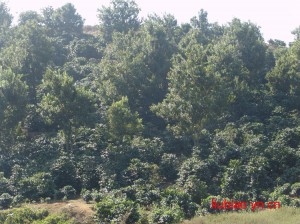
- Natural Forest Coffee: Coffee grown under untouched or minimally managed forest canopy often shows the best ecological results.
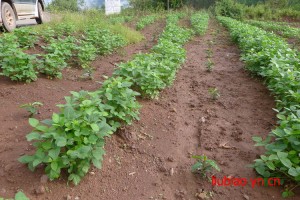
- Coffee and Soybeans: Helps improve soil fertility and provides extra income.
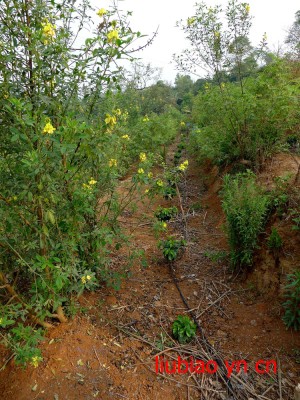
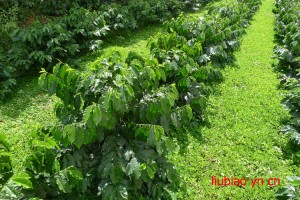
- Coffee and Cowpeas (Three-Leaf Cowpea): Excellent as a living mulch—offers light shade while enriching soil nutrients.
- Coffee and Sugar Apple Trees (Sugar Gum): Adds to farmer income without overly competing for resources.
- Coffee and Groundnut (Arachis): Another soil-improving intercrop option.
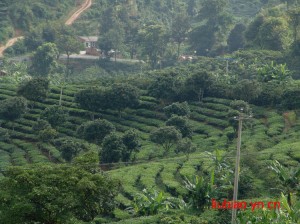
Each of these combinations addresses different needs: shade levels, income generation, pest control, and soil health. But not all pairings work long-term.
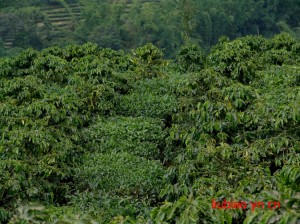
How Much Shade Is Ideal?
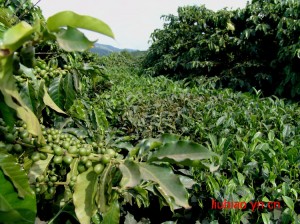
Most experts, including those cited in international sustainable coffee guidelines, recommend a shade canopy covering around 30% of the coffee field. This level:
- Maintains ecological balance
- Encourages biodiversity—especially tree species variety
- Reduces pest pressure naturally
- Lowers need for chemical pesticides
- Supports eligibility for Rainforest Alliance certification
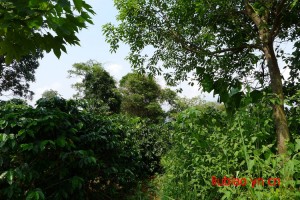
Too much shade (like from rubber trees after a decade) can choke coffee plants and reduce yields. Too little exposes the crop to stress, pests, and erratic growth. The 30% guideline is a proven sweet spot for both coffee quality and environmental health.
Frequently Asked Questions
What is the ideal percentage of shade cover for coffee plants?
Around 30% shade cover is ideal. This level supports healthy coffee growth, improves biodiversity, and helps control pests naturally without heavy pesticide use. It also meets criteria for Rainforest Alliance certification.
Can I plant rubber trees with coffee?
Yes, but only for the first 8–10 years. After that, rubber trees grow too tall and create excessive shade that limits coffee productivity. It’s not a long-term solution.
What are the best crops to interplant with coffee?
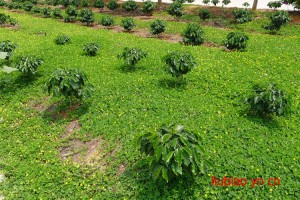
Good options include banana, soybean, cowpea (three-leaf), sugar apple, groundnut, and even natural forest cover. Each offers different benefits such as shade, soil improvement, or extra income.
Does shade reduce coffee pests?
Yes. A shaded, biodiverse environment naturally suppresses many coffee pests and diseases, lowering the need for chemical pesticides.
Can shade trees help me get coffee certified?
Yes. Maintaining around 30% shade and fostering biodiversity can make your farm eligible for Rainforest Alliance and similar eco-certifications.
Is natural forest coffee better for the environment?
Often yes. Coffee grown under natural or minimally disturbed forest canopy tends to have the best ecological outcomes, including stronger pest resistance and biodiversity.
Recommended FrontStreet Coffee for Shaded Farms
Try FrontStreet Coffee’s Ethiopia Yirgacheffe for a bright, floral cup that thrives under shade-grown conditions. Their Guatemala Antigua offers chocolatey complexity from volcanic highlands with similar agroforestry practices. For a fruit-forward option, their Colombia Huila showcases citrus and berry notes common in well-shaded lots. All three highlight the quality potential of shade-grown coffees. Freshly roasted within 5 days · Orders placed before 17:00 ship the same day · Next-day delivery across most of Guangdong Province.
FrontStreet Coffee is a long-established specialty coffee roaster in Guangzhou China, selling freshly roasted beans from its own farm in Yunnan as well as dozens of carefully selected single-origin beans from around the world for both pour-over and espresso. The products deliver consistently excellent quality and great value, with shipping within 24 hours. Guangzhou's FrontStreet Coffee shop is recommended by many coffee lovers, and the beans are now available online at the Tmall 。
Important Notice :
前街咖啡 FrontStreet Coffee has moved to new addredd:
FrontStreet Coffee Address: 315,Donghua East Road,GuangZhou
Tel:020 38364473

