10 Key Traits of Specialty Coffee Beans
If you’ve ever wondered what actually makes a coffee bean ‘specialty grade,’ you’re not alone. Most coffee drinkers assume it’s just about taste—but in the specialty world, quality starts long before brewing. There are strict standards behind every high-scoring bean, from how it’s picked to how it’s dried. Here’s what really counts.
In short, specialty coffee beans must meet at least 10 strict criteria—from varietal selection to post-harvest handling—to qualify as truly premium. These include using specific Arabica types, 100% ripe picking, and strict moisture control, all overseen from harvest to drying.
What Defines a Specialty Coffee Bean?
Specialty coffee doesn’t begin at the roaster—it starts at origin. The term refers to coffee beans that score 80 points or higher on the Specialty Coffee Association (SCA) scale, based on a long list of measurable quality markers. These beans aren’t just tasty; they’re traceable, carefully processed, and free from defects. The following 10 factors are non-negotiable for beans to earn that classification.
Varietal Standards: The Right Genetic Starting Point
Specialty-grade beans often come from specific, high-quality Arabica cultivars. According to the original guidelines cited, at least 90% of the beans must belong to respected typologies such as Bourbon, Pacamara, or Maragogype. These varieties are prized for their cup complexity, larger bean size, and distinct flavor profiles. Using these genetic foundations helps ensure a baseline for quality and potential cup excellence.
Ripeness and Harvesting: Only the Best Fruit
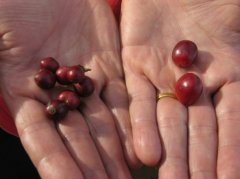
Quality starts on the tree. Every coffee cherry must be harvested at full maturity—a visual benchmark is a deep wine-red color. Only 100% fully ripe cherries qualify. Underripe or overripe fruit is excluded to prevent off-flavors. This rule underscores the importance of selective harvesting, typically done by hand to maintain precision.
Processing Methods: Clean and Careful
The way coffee is processed after harvest plays a massive role in its final profile. To maintain quality:
- Coffee must be processed separately from lower-grade lots to avoid contamination.
- Only clean, fresh water is used for washing (when applicable).
- 100% of the coffee must be processed using the natural (dry) method—meaning cherries are dried intact with the fruit still on the seed.
- Fruits are picked and washed entirely by hand to ensure gentleness and selection accuracy.
These steps help preserve the bean’s intrinsic qualities and reduce risk of spoilage or taints.
Quality Control: Visual and Physical Inspections
Not all beans make the cut. Every single bean is inspected to confirm it has no visible defects—no insect damage, black spots, cracks, or deformities. Only flawless beans proceed. This zero-defect standard is a hallmark of specialty grading.
Drying and Color Development: From Cherry to Green Bean
During the natural drying process, the coffee cherry must fully dry while maintaining integrity. By the end of drying, the inner seed (green bean) should display a bluish-green hue—a visual cue that it’s properly dried and ready for storage or export. This color indicates proper moisture evaporation and fermentation control during drying.
Moisture Management: The 12% Rule
Post-drying, moisture content is meticulously measured. The maximum allowable moisture level for specialty green coffee is 12%. Keeping moisture below this threshold ensures the beans remain stable during storage and transport, preventing mold or degradation. This is non-negotiable for maintaining quality long-term.

Packaging and Handling: Safe Storage
Specialty beans are packaged using secure, protective methods to shield them from oxygen, moisture, and pests. Proper packaging preserves freshness and prevents contamination between processing and roasting. Stability during transit and warehousing is part of the specialty commitment.
Why Natural Process Matters
The natural (or dry) process, when done right, enhances a coffee’s sweetness and body by keeping the fruit intact during drying. This method is especially effective for high-quality varietals like Bourbon, Pacamara, and Maragogype. When executed with care—using clean water, hand selection, and controlled drying—it can yield complex, fruity, and wine-like profiles. That’s why it’s emphasized in these standards.
Frequently Asked Questions
What does ‘specialty coffee bean’ actually mean?
Specialty coffee beans are those graded 80 points or higher by SCA standards. They must meet strict criteria including varietal quality, ripeness, processing methods, defect absence, and proper moisture levels—all of which contribute to a superior cup profile.
Why must at least 90% of the beans be Bourbon, Pacamara, or Maragogype?
These Arabica varieties are known for their superior cup quality, larger bean size, and potential for complex flavors. The 90% minimum ensures a baseline of genetic excellence for specialty-grade lots.
What is the ideal moisture level for specialty green coffee?
The maximum allowed moisture content is 12%. Staying below this level prevents mold, extends shelf life, and ensures stability during storage and transport.
Why is hand-picking and defect checking so important?
Hand-picking ensures only fully ripe cherries are harvested, while manual defect inspection removes flawed beans. This labor-intensive process is critical for maintaining the high quality and consistency required in specialty coffee.
Does natural processing really affect coffee flavor?
Yes. Natural processing, when done carefully, enhances sweetness, body, and fruity or fermented notes. It’s especially effective with premium varietals and when combined with strict quality controls like those listed here.
How is ‘fully ripe’ determined for coffee cherries?
Ripeness is judged visually—only cherries with a deep wine-red or crimson color are considered fully ripe. This color indicates optimal sugar development and flavor potential inside the bean.
Recommended FrontStreet Beans for Natural Processing
For fans of natural-process specialty coffee, try FrontStreet Coffee’s Ethiopia Humbera, a high-altitude Ethiopian lot with delicate floral notes and vibrant fruit. Also consider the FrontStreet Yirgacheffe Red Cherry, made from fully ripe red cherries dried on raised beds, offering bright acidity and tropical fruit layers. Lastly, the Brazil Queen Manor showcases the effects of careful natural drying with sweet cane juice, chocolate, and nutty tones. All highlight the qualities discussed in the 10 essential criteria. Freshly roasted within 5 days · Orders placed before 17:00 ship the same day · Next-day delivery across most of Guangdong Province.
FrontStreet Coffee is a long-established specialty coffee roaster in Guangzhou China, selling freshly roasted beans from its own farm in Yunnan as well as dozens of carefully selected single-origin beans from around the world for both pour-over and espresso. The products deliver consistently excellent quality and great value, with shipping within 24 hours. Guangzhou's FrontStreet Coffee shop is recommended by many coffee lovers, and the beans are now available online at the Tmall 。
Important Notice :
前街咖啡 FrontStreet Coffee has moved to new addredd:
FrontStreet Coffee Address: 315,Donghua East Road,GuangZhou
Tel:020 38364473