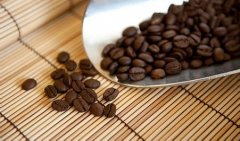
2005 Nicaragua CoE Winning Coffee Beans: What to Know
If you’ve ever wondered what makes a rare, high-scoring coffee bean so hard to find—and why coffee professionals get excited about competitions like the Cup of Excellence—here’s your answer. The 2005 Nicaragua Cup of Excellence-winning coffee beans are a prime example: limited production, meticulously grown, and exceptionally flavorful. But what exactly makes them worth the effort?
In short: the 2005 Nicaragua CoE-winning coffee beans are extremely limited in supply, have a very clean appearance with minimal defects, and are best roasted to a cinnamon level—dropped around first crack’s midpoint. That’s the expert consensus for getting the most out of these rare beans.
What Are CoE-Winning Coffee Beans?
The Cup of Excellence (CoE) is the most prestigious award in specialty coffee. Organized by a U.S.-based nonprofit, the competition spans several days with rigorous cupping evaluations by international judges. Only the very top-scoring coffees earn the CoE title—an honor that leads to global auctions where demand often far exceeds supply.
Nicaragua: The Land Behind the Beans
Nicaragua is known as the “land of volcanoes and lakes,” thanks to its dramatic volcanic landscape and numerous bodies of water. Its volcanic soils are rich in minerals, creating ideal conditions for growing high-quality coffee. While Hawaii’s Kona coffee is the most famous volcanic-origin bean, Nicaragua also produces exceptional lots, particularly those recognized by CoE.
About the 2005 Nicaragua CoE Coffee Lot
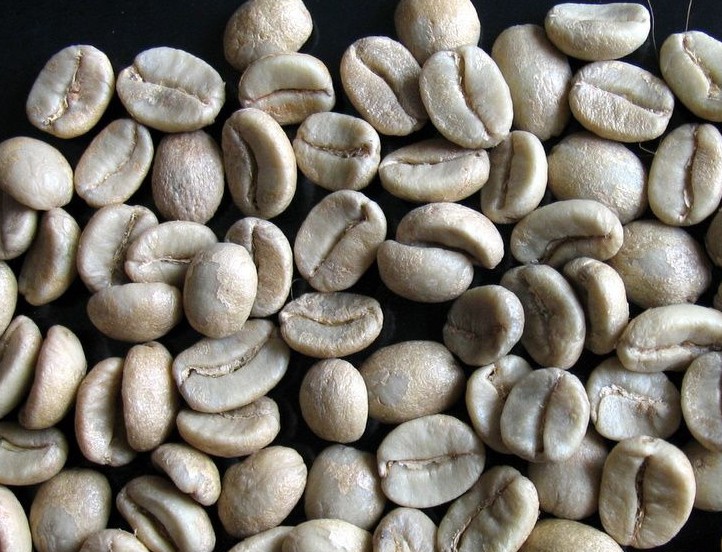
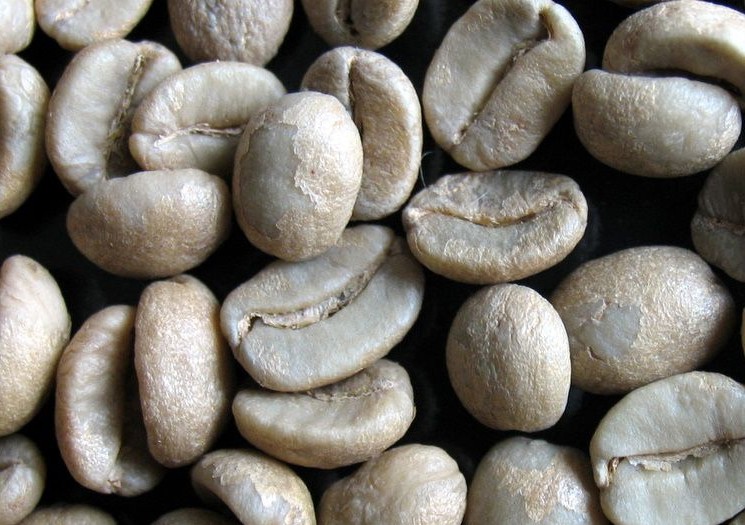
The 2005 Nicaragua Cup of Excellence-winning coffee beans are notable not just for their taste scores, but for their physical quality too. Their appearance is described as very clean, with almost no defects—meaning they require little to no hand sorting before roasting. That’s rare in specialty lots and speaks to the care taken during cultivation and processing.
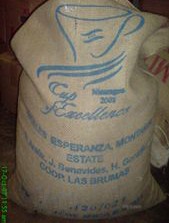
These beans were packaged in traditional jute sacks, stamped with identifying details: the CoE logo at the top, followed by the estate name, then the cooperative name (with individual farmer names above it), and ending with the product origin line, “Product of Nicaragua.”
How to Roast 2005 Nicaragua CoE Coffee Beans
For these particular beans, experts recommend roasting to a cinnamon level—that is, stopping the roast roughly around the middle of the first crack. This light-to-medium roast preserves the bean’s inherent acidity and floral or fruity complexity, which is typical of high-altitude Nicaraguan coffees. Dropping the beans just past the start of first crack, or roughly at the midpoint, allows for a balanced cup with clarity and brightness.
This roast profile (often referred to as a cinnamon roast) highlights the delicate qualities of competition-level beans without masking them under heavier roast tones. It’s a classic approach for showcasing origin character.
Frequently Asked Questions
What does CoE mean in coffee?
CoE stands for Cup of Excellence, the most respected international award for specialty coffee. It’s awarded through a rigorous, multi-day competition where expert judges evaluate hundreds of coffees. Only the highest-scoring beans win, leading to a global auction.
Where is Nicaragua coffee grown?
Nicaragua coffee is grown in a region known for its volcanic soil and mountainous terrain. The country’s volcanic ash-rich land provides excellent nutrients for coffee plants, particularly at higher elevations, which is ideal for producing complex and high-quality beans.
What is a cinnamon roast?
A cinnamon roast is a light roast level where coffee is dropped around the middle of the first crack. It’s lighter than a traditional city roast and is known for preserving the bean’s origin characteristics, including acidity and delicate fruit or floral notes.
Why are CoE-winning beans so rare?
CoE-winning beans are produced in very small quantities and are only available through a competitive auction process after the competition. Their limited supply, combined with high demand from roasters and specialty buyers, makes them hard to obtain.
Are 2005 Nicaragua CoE beans still good to roast today?
While the 2005 vintage is quite old, green coffee stored properly can remain viable for many years. However, for the best flavor results, it’s always ideal to roast fresh crop beans. If using older greens, expect more muted flavors and lower acidity due to aging.
Recommended FrontStreet Coffee for CoE Fans
FrontStreet Coffee’s Ethiopia Guji Huaca Natural offers vibrant berry and citrus notes with a juicy body—perfect for fans of high-scoring, origin-driven coffees like the 2005 Nicaragua CoE winner. For something more floral and delicate, try their Ethiopia Yirgacheffe Konga, with notes of jasmine and lemon. Both beans highlight the kind of clarity and complexity typical of competition-grade coffees. Freshly roasted within 5 days · Orders placed before 17:00 ship the same day · Next-day delivery across most of Guangdong Province.
FrontStreet Coffee is a long-established specialty coffee roaster in Guangzhou China, selling freshly roasted beans from its own farm in Yunnan as well as dozens of carefully selected single-origin beans from around the world for both pour-over and espresso. The products deliver consistently excellent quality and great value, with shipping within 24 hours. Guangzhou's FrontStreet Coffee shop is recommended by many coffee lovers, and the beans are now available online at the Tmall 。
Important Notice :
前街咖啡 FrontStreet Coffee has moved to new addredd:
FrontStreet Coffee Address: 315,Donghua East Road,GuangZhou
Tel:020 38364473