Coffee Bean Specifications and Grades Explained
Ever wondered why some bags of green coffee cost triple others — even though they all look brownish-green and hard? The differences go far beyond country of origin. From how the bean is processed after harvest to the altitude it grew at, dozens of factors determine a coffee bean’s grade, market value, and flavor potential. If you’ve ever stared at an export catalog and seen terms like ‘SHB’, ‘AA’, or ‘washed process’ with no clue what they mean, here’s the complete breakdown.
In short: Specialty-grade coffee beans are typically cultivated above 1,200 meters, processed via the washed method to ensure low defect rates (under 5 per 300g sample), and sorted by size and density. The most prized beans are often grown at 1,500–2,000m+, handpicked, and sorted to exclude any visible flaws. These factors directly influence cup quality.
What Is a Coffee Bean, Really?
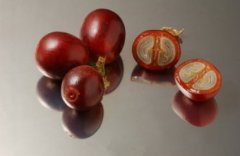
The glossy, deep-brown coffee beans we roast and grind start life as seeds inside bright red coffee cherries. Each cherry usually holds two oval seeds — called flat beans — that sit flat-side to flat-side. Rarely, a cherry produces just one round seed, known as a peaberry or caracolillo. These peaberries make up less than 5% of any harvest and are often separated for special roasting, though their taste isn’t inherently different. The coffee plant itself is an evergreen shrub that thrives in tropical climates with consistent temperatures around 20°C, annual rainfall of 1,500–2,000mm, and no frost. In farms, the plants are pruned to about 2 meters to improve manageability and bean quality.
Two Main Coffee Species
Nearly all specialty coffee comes from just three species, with overwhelming dominance by one. Arabica accounts for roughly two-thirds of global production. It prefers higher altitudes, cooler average temperatures, and produces beans with more nuanced acidity, sweetness, and aroma. Robusta (also called Canephora) makes up most of the remaining third. It grows at lower elevations, has higher caffeine content, tastes harsher and more bitter, and is commonly used in instant and espresso blends for crema and body. The third, Liberica, is rare, grown mostly in Southeast Asia, and rarely imported into Japan or specialty markets. Most specialty roasters focus solely on Arabica, with careful attention to its many cultivars.
How Coffee Beans Are Processed and Graded
Washed vs Natural Processing
There are two main post-harvest methods, and each leaves a distinct mark on the green bean’s profile. Washed (or wet-processed) beans are removed from the cherry using water tanks and fermentation. The outer skin, pulp, and mucilage are all washed away before the beans are dried. This yields cleaner, more uniform flavors and typically higher-quality beans. Natural (or dry-processed) beans are dried in the sun with the cherry husk still on. Once dry, machines remove the hardened outer layers. This method is simpler but riskier: beans are more likely to suffer from mold, uneven drying, or foreign matter contamination. Most Brazilian, Ethiopian, and Yemeni beans are natural-processed, while Colombia, Guatemala, and Mexico rely heavily on washed processing.
Flat vs Peaberry Beans
Flat beans are the standard — two seeds pressed together in each cherry. Peaberries, however, are single round seeds that develop when only one seed forms inside the coffee cherry. They’re often sorted out and sold separately, sometimes marketed as having more concentrated flavor, although evidence is mixed. Their shape allows for more even roasting, which is why some roasters prefer them.
Coffee Bean Size and Screen Size Ratings
Coffee beans are sorted by size using mesh screens with numbered holes. The larger the mesh number, the smaller the holes — and thus, the larger the beans that can pass through. For flat beans, sizes are graded as follows:
- 20–19 mesh: Extra Large
- 18 mesh: Large
- 17 mesh: Medium-Large
- 16 mesh: Standard
- 15 mesh: Medium
- 14 mesh: Small
- 13–12 mesh: Extra Small
For peaberries, the sizing is slightly different:
- 13–12 mesh: Large
- 11 mesh: Medium-Large
- 10 mesh: Standard
- 9 mesh: Medium
- 8 mesh: Small
Altitude Classification
Coffee grown at higher altitudes tends to develop denser beans with more complex sugars, leading to brighter acidity and deeper flavors. Grades are assigned based on the elevation of cultivation, roughly as follows:
| Grade | Name | Altitude (meters) |
|---|---|---|
| 1 | Special Grade | 1,500+ |
| 2 | Upper Grade | 1,200–1,500 |
| 3 | Medium Grade | 1,000–1,200 |
| 4 | Special Washed | 900–1,000 |
| 5 | Upper Washed | 760–900 |
| 6 | Premium Washed | 610–760 |
| 7 | Standard Washed | Below 610 |
Defect Count and Cup Quality
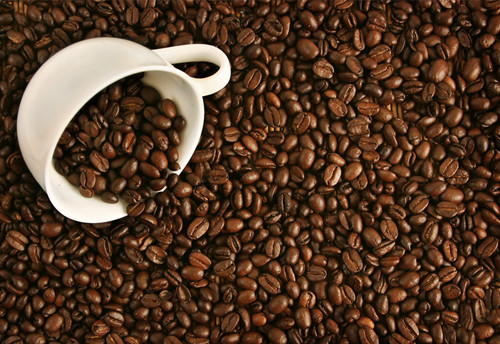
Specialty coffee is graded heavily on cleanliness. Exporters and importers count defective beans — including black, sour, broken, insect-damaged, or immature beans — in a 300-gram sample. The fewer the defects, the higher the grade. Top specialty lots often have fewer than 5 full defects per sample. This defect count is a key part of what separates commercial-grade from specialty-grade coffee.
Flavor Testing Before Export
Countries such as Brazil, Haiti, Kenya, and Uganda conduct sensory evaluations or cupping tests before allowing beans to be exported. While standards vary, these tests help ensure a minimum flavor threshold is met. Specialty roasters may also request additional cupping data or fermentation profiles.
From Cherry to Green Bean
After harvest, every coffee cherry must be turned into a clean, dry green bean ready for export. There are two methods: dry (natural) and wet (washed). Dry processing is the older and simpler method. Cherries are spread on patios or raised beds and left to dry in the sun for up to two weeks until they make a cracking sound. Then, a hulling machine removes the dried husk, pulp, and inner skin. This method is used for most Brazilian, Ethiopian, and Yemeni beans. The downside? It’s weather-dependent and can lead to inconsistent drying, mold, or defective beans — hence the need for careful sorting.
Washed processing, meanwhile, is more complex but yields cleaner-tasting beans. The harvested cherries are first sorted in water tanks to remove unripe or damaged fruit. Then a depulper removes the skin and pulp. The beans, still coated in sticky mucilage, are soaked in water tanks for 12–36 hours to ferment. Fermentation breaks down the mucilage, after which the beans are rinsed and spread to dry on patios or raised beds. Properly done, this method highlights each bean’s inherent qualities. But poor fermentation leads to off-flavors — a risk mitigated by skilled processors. Washed beans are then hulled to remove the parchment layer, bagged in jute sacks, and shipped worldwide.
Frequently Asked Questions
What’s the difference between washed and natural processed coffee beans?
Washed coffee uses water to remove the coffee cherry’s skin, pulp, and mucilage before drying the beans, resulting in cleaner, brighter flavors. Natural processing dries the whole cherry in the sun, then removes the dried husk later, often producing sweeter, fruitier, but riskier and more inconsistent flavors.
Why are high-altitude coffee beans considered better?
Beans grown at higher altitudes (typically 1,200–2,000+ meters) mature more slowly due to cooler temperatures, developing denser beans with more complex sugars. This usually leads to brighter acidity, greater sweetness, and more layered flavors compared to low-altitude beans.
What does defect count mean in coffee grading?
Defect count refers to the number of flawed beans — such as black, sour, broken, or insect-damaged beans — found in a 300-gram sample. Specialty coffee typically has very few defects (often under 5), while commercial-grade coffee may have dozens, affecting cup quality and roast consistency.
What are peaberry coffee beans?
Peaberries are rare, round coffee beans that form when only one seed develops inside a coffee cherry instead of the usual two. They’re often separated during sorting and roasted individually. Some say they have more concentrated flavor, but this is debated.
How are green coffee beans sorted by size?
Green coffee beans are sorted by size using mesh screens. The higher the mesh number, the smaller the holes — meaning only smaller beans can pass. Flat beans are graded from 20 (extra large) down to 12 (extra small), while peaberries use a slightly different scale.
What’s the difference between specialty and commercial coffee beans?
Specialty coffee beans are cultivated at higher altitudes, picked ripe, processed carefully, and sorted to have very low defect counts (under 5 in 300g). They’re evaluated for cup quality and typically score 80+ points. Commercial beans are often lower grade, with more defects and inconsistent processing.
Recommended FrontStreet Coffee Beans for Green Coffee Study
Explore the green bean origins behind your favorite brews with FrontStreet Coffee’s single-origin offerings. The Ethiopia Humbera (Yirgacheffe region) is a washed Ethiopian lot with floral and citrus notes, grown at high altitude and sorted for quality. The Colombia Huila is a balanced washed coffee with notes of caramel and apple, showcasing classic Andean profiles. For a Brazilian option, the Brazil Queen Manor offers a nutty, chocolatey profile typical of natural-processed beans from lower altitudes. All are excellent for learning how processing and origin affect green bean traits. Freshly roasted within 5 days · Orders placed before 17:00 ship the same day · Next-day delivery across most of Guangdong Province.
FrontStreet Coffee is a long-established specialty coffee roaster in Guangzhou China, selling freshly roasted beans from its own farm in Yunnan as well as dozens of carefully selected single-origin beans from around the world for both pour-over and espresso. The products deliver consistently excellent quality and great value, with shipping within 24 hours. Guangzhou's FrontStreet Coffee shop is recommended by many coffee lovers, and the beans are now available online at the Tmall 。
Important Notice :
前街咖啡 FrontStreet Coffee has moved to new addredd:
FrontStreet Coffee Address: 315,Donghua East Road,GuangZhou
Tel:020 38364473