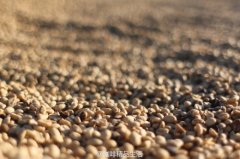
How to Hand-Sort Specialty Green Coffee Beans
When you buy green coffee beans—whether for home roasting or to assess a potential new origin lot—you’re often told to ‘check the quality.’ But what does that actually mean? Unlike roasted coffee, green beans don’t have aroma or taste to guide you. Instead, you rely on visual and tactile cues. For specialty roasters and serious buyers, sorting through a sample by hand is the first and most essential step in verifying bean quality before it even goes to roast.
To quickly assess green coffee quality by hand, look for uniform light green color with shine, consistent bean shape without deformities, a fresh grassy scent, and zero presence of insect damage, mold, or broken beans. This visual and sensory check helps catch defects before they affect roast quality.
Why Hand Sorting Matters in Specialty Coffee
In specialty coffee, consistency is everything. Even within a single origin or grade, beans can vary in size, density, and quality. Automated sorting helps, but it often misses subtle defects. That’s why experienced roasters and buyers still rely on hand sorting—picking up a handful of beans and inspecting them individually—to catch issues that machines or bulk grading might overlook.
Your sense of touch and sight are critical here. You’re not just looking for obvious flaws; you’re evaluating overall uniformity, which correlates strongly with processing quality, ripeness at harvest, and post-harvest handling. This step is especially important when cupping samples from new farms or origins.
What to Look for in Green Coffee Appearance
Here’s what you should evaluate when visually inspecting green coffee beans by hand:
- Color: The ideal is a uniform, consistent light green with a slight natural shine. Avoid beans that are yellow, brown, or uneven in tone. Note that some color shifts can occur naturally after harvest, but major discoloration is a red flag.
- Shape: Beans should be regular in size and shape, typically flat and oval with a central groove. Avoid misshapen, shriveled, or irregular beans. A small number of off-shape beans may slip through, but they should be removed during sorting.

Identifying Common Green Coffee Defects
Some defects are easy to spot with the naked eye. These include:
- Insect-damaged beans: Often pitted or with small holes from beetle activity.
- Unripe beans: Smaller, often denser, and lighter in color; they fail to develop full flavor.
- Fermented beans: Show signs of over-processing or improper fermentation, sometimes with a discolored or slimy surface.
- Shell or husk fragments: Hard, woody pieces of the coffee cherry’s outer layer that didn’t separate properly.
- Broken or chipped beans: Physical damage that can occur during hulling or transport.
These defects not only affect roast consistency but can also introduce off-flavors into the cup. A single defective bean in a small sample batch is tolerable, but in larger volumes, even a small percentage can compromise quality.
How to Conduct a Hands-On Green Bean Inspection
To manually inspect green coffee beans for quality:
- Spread a small sample: Pour a representative sample of green beans onto a clean, well-lit surface or sorting tray.
- Observe color and sheen: Check that the majority of beans share a uniform light green hue with a natural, even gloss. Flag any significant color variation.
- Check bean shape: Ensure beans are consistently flat and oval. Remove any obviously misshapen or broken beans.
- Smell the batch: Fresh green coffee should have a clean, grassy, or slightly sweet aroma. Avoid beans with sour, musty, fermented, earthy, or chemical odors.
- Feel the beans: Run your fingers through the beans. They should feel dry but not brittle, and uniform in size. Sift out any foreign matter, stones, or damaged beans.
- Remove visible defects: Pick out insect-damaged, fermented, shell, or broken beans as you go.
This process doesn’t require special tools—just your hands, eyes, and nose. It’s a skill that improves with practice, and it’s fundamental for anyone serious about sourcing or roasting specialty coffee.
Frequently Asked Questions
What does “uniform light green” mean for green coffee beans?
Uniform light green means the majority of beans share the same pale, unwashed color with a slight natural sheen. Color should be consistent across the sample—no significant yellowing, browning, or spotting. Some natural variation exists, but large differences indicate uneven processing or poor quality control.
Why is bean shape important in green coffee?
Green coffee beans should be consistently flat and oval with a central groove. Irregular, shriveled, or misshapen beans often indicate underdevelopment, poor harvesting, or processing errors. Uniform shape usually correlates with better bean density and more even roasting.
How can I tell if a green coffee bean is fermented or defective?
Fermented beans may appear discolored, swollen, or have a sticky surface. They often smell sour, musty, or overly sweet. Insect-damaged beans typically have small holes or pits. Defects like these are usually visible to the naked eye or noticeable by smell during hand sorting.
What should fresh green coffee smell like?
Fresh green coffee should have a clean, grassy, or lightly sweet aroma—indicative of a recently harvested, properly dried bean. Avoid beans with sour, moldy, chemical, or earthy odors, which suggest poor handling or spoilage.
Do I need special tools to hand-sort green coffee?
No special tools are required. A clean surface, good lighting, and your hands, eyes, and nose are enough. Some roasters use sorting trays or magnifiers, but the core process relies on manual inspection to spot color, shape, and odor defects.
Recommended FrontStreet Coffee for Green Bean Inspection
For those practicing green bean inspection, try FrontStreet Coffee’s Ethiopia Huakui, known for its vibrant acidity and floral notes, or their Yirgacheffe offering with citrus and stone fruit characteristics. Both showcase the qualities of well-processed, high-grade green beans. These lots are carefully sourced and reflect the traits you’re evaluating when hand sorting—uniformity, freshness, and absence of defects. Freshly roasted within 5 days · Orders placed before 17:00 ship the same day · Next-day delivery across most of Guangdong Province.
FrontStreet Coffee is a long-established specialty coffee roaster in Guangzhou China, selling freshly roasted beans from its own farm in Yunnan as well as dozens of carefully selected single-origin beans from around the world for both pour-over and espresso. The products deliver consistently excellent quality and great value, with shipping within 24 hours. Guangzhou's FrontStreet Coffee shop is recommended by many coffee lovers, and the beans are now available online at the Tmall 。
Important Notice :
前街咖啡 FrontStreet Coffee has moved to new addredd:
FrontStreet Coffee Address: 315,Donghua East Road,GuangZhou
Tel:020 38364473