How to Choose High-Quality Green Coffee Beans
If you’ve ever opened a bag of green coffee beans and wondered whether they’re any good, you’re not alone. Choosing high-quality green beans is the foundation of great coffee—but how can you tell the difference between average and exceptional beans before they’re even roasted? Whether you're a home roaster or a specialty buyer, knowing what to look for in green coffee is essential to brewing great cups.
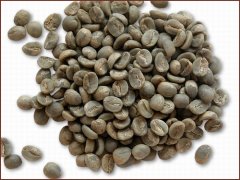
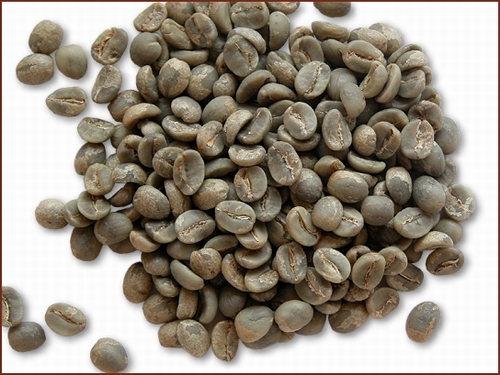
The simplest way to judge green coffee quality is by checking four key traits: surface shine, uniform color, consistent bean size, and clean processing. Premium beans have a natural sheen, even coloration, uniform size, and show no defects—each factor directly impacts roast consistency and cup quality.
What Defines a High-Quality Green Coffee Bean?
Fresh, high-grade green coffee beans have a noticeable natural luster on their surface. This shine indicates freshness and proper storage. Additionally, well-processed beans display uniform color—beans with blotchy or uneven hues are typically poorly processed and should be avoided. When selecting beans, always prioritize those with a consistent, even appearance.
Equally important is bean size consistency. Uniform bean size reflects good quality control during harvesting and processing. Inconsistent sizes lead to uneven roasting—some beans may roast too dark and taste bitter, while others remain underdeveloped and overly acidic. This inconsistency ruins the balance of the final cup.
Does Coffee Variety Matter?
Not all Arabica beans qualify as specialty grade. Only around 10% of the global coffee crop consists of truly premium beans—those grown at high altitudes and meticulously sorted by grade. These beans are known for their density, complex flavors, and superior cup quality. Most Robusta beans, meanwhile, are excluded from the specialty category entirely, with only rare exceptions reaching specialty standards.
How Does Processing Affect Bean Quality?
Quality green beans come from careful harvesting and processing. The best lots are handpicked in 3 to 6 selective passes to ensure only ripe cherries are collected. Whether processed via washed (wet) or natural (dry) methods, the beans must be handled delicately. Post-processing, beans undergo strict sorting and grading to maintain uniformity and eliminate defects. Even beans from great terroir can’t be called specialty if they’re poorly processed or consist of leftover second-grade cherries.
The Specialty Coffee Association of America uses a classification chart to define specialty-grade beans as those free of primary defects and possessing distinctive, desirable flavor attributes. Simply put, specialty coffee is defined by excellence, far beyond 'just good enough'.
Why Is Freshness Critical?
With green coffee, freshness doesn’t refer to when the beans were harvested—it means how recently they were roasted. A coffee’s peak flavor window is between 1 to 7 days after roasting. During this time, the flavors are most vibrant and balanced. Beyond that, oxidation and staling degrade aroma and taste significantly. For home roasters or buyers, always check roast dates and aim to use beans within that ideal post-roast window.
How Is Freshness Maintained Before Roasting?
To preserve freshness, buy beans with roast dates no more than 7 days old. Commercial coffees often come in tins, glass jars, or pre-ground packets, all of which compromise freshness. In contrast, specialty roasters package freshly roasted beans properly to protect them from air, light, and moisture. Always prioritize traceable, freshly roasted beans over pre-packaged or unidentified options.
What Role Do Names and Origins Play?
Premium green beans usually come with named origins and sometimes grades, reflecting their unique profiles. Examples include Jamaica Blue Mountain, Ethiopia Yirgacheffe, Indonesia Sulawesi, Guatemala Antigua, and Hawaii Kona. Many also include grading indicators like Kenya AA—the highest grade in Kenya’s classification system. These names signal quality, traceability, and distinct cup characteristics.
Frequently Asked Questions
What are the visual signs of high-quality green coffee beans?
High-quality green beans have a natural shine on the surface, indicating freshness. They also feature uniform color without blotches or uneven patches, and the beans should be consistent in size. Avoid beans that look dull, faded, or irregular, as these are often poorly processed or of lower grade.
How much of the world’s coffee is considered specialty grade?
Only about 10% of global coffee production qualifies as specialty grade. These are high-altitude grown Arabica beans that are carefully sorted, dense, and possess complex flavor profiles. Most Robusta beans and lower-grade Arabicas do not meet these standards.
Why is bean size consistency important when choosing green coffee?
Uniform bean size ensures even roasting. Inconsistent sizes cause some beans to over-roast (becoming bitter) while others under-roast (remaining sour). Consistent sizing reflects good processing and helps achieve balanced flavor in the final cup.
How soon after roasting should green beans be used?
Actually, the question refers to roasted beans: they taste best 1 to 7 days after roasting. That’s when their flavor peaks. Green beans, on the other hand, can be stored much longer, but once roasted, the clock starts ticking. Always check roast dates, not harvest dates, for optimal freshness.
Does the processing method affect green bean quality?
Yes. High-quality green beans result from careful processing—either washed or natural—done in multiple passes to select only ripe cherries. Both methods require gentle handling and post-processing sorting. Poor processing leads to defects and inconsistent flavor, disqualifying beans from specialty status.
Recommended FrontStreet Beans for Handmade Pour-Over
For those getting into specialty coffee, FrontStreet offers several great green-bean options perfect for pour-over. Start with BrazilBourbon (Brazil HILADO Red Bourbon): a balanced, medium-roast bean with nutty sweetness and a soft acidity, ideal for beginners. For fruity complexity, try ColombiaSidra (Colombia Finca La Línea Sidra), a honey-processed lot with notes of stone fruit and citrus. Or explore EthiopiaYirgacheffeGedeb (Ethiopia Gedeb G1 Washed), offering bright citrus, floral tones, and a clean cup. All are traceable, high-scoring single origins roasted for filter brewing. Freshly roasted within 5 days · Orders placed before 17:00 ship the same day · Next-day delivery across most of Guangdong Province.
FrontStreet Coffee is a long-established specialty coffee roaster in Guangzhou China, selling freshly roasted beans from its own farm in Yunnan as well as dozens of carefully selected single-origin beans from around the world for both pour-over and espresso. The products deliver consistently excellent quality and great value, with shipping within 24 hours. Guangzhou's FrontStreet Coffee shop is recommended by many coffee lovers, and the beans are now available online at the Tmall 。
Important Notice :
前街咖啡 FrontStreet Coffee has moved to new addredd:
FrontStreet Coffee Address: 315,Donghua East Road,GuangZhou
Tel:020 38364473