The Stunning Moment Milk Hits Coffee
You’ve seen it in coffee shop windows and Instagram posts: that brief but breathtaking instant when steamed milk pours into espresso and forms delicate whirls, crowns, and cascades. But have you ever wondered why milk creates such mesmerizing patterns—or how to get those results at home? This visual phenomenon isn’t just for show; it reveals the interplay between texture, temperature, and flow.
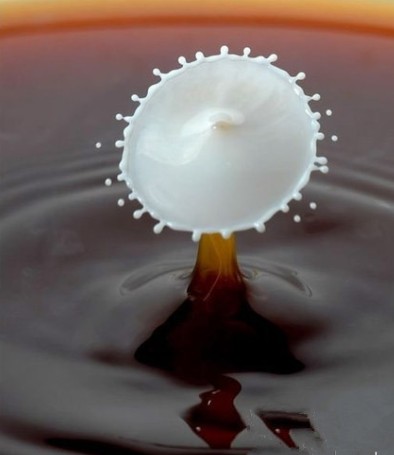
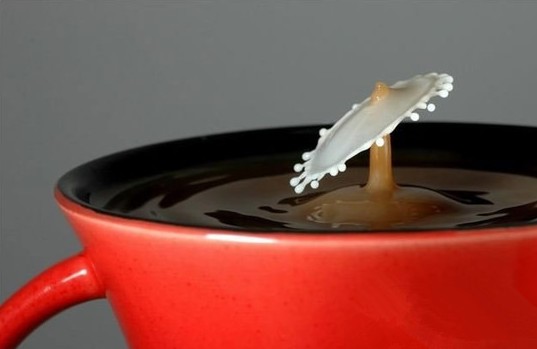
When cold milk hits hot espresso, the collision creates visible turbulence: micro-ripples form within 0.1 seconds, expand into crowns or leaf-like patterns, and evolve into rolling waves. High-speed cameras reveal that optimal swirls appear at a milk temperature of 55–65°C and pour speed of around 150–200 ml/sec. The result is both an artistic moment and a sign of proper texture and temperature balance.
What Happens When Milk Meets Coffee
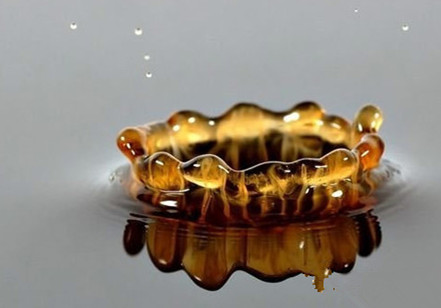
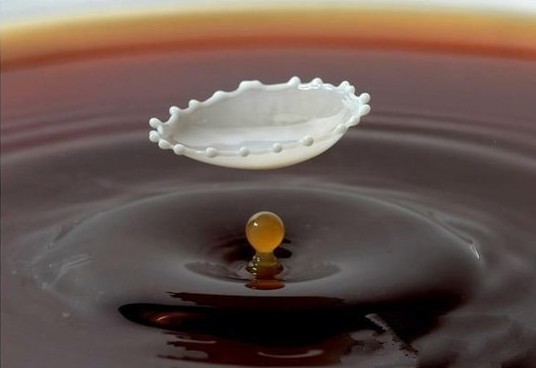
The dramatic visual effects of milk pouring into coffee aren’t magic—they’re fluid dynamics in action. When a stream of cold milk (around 4–6°C) strikes hot espresso (typically 60–70°C), the temperature differential and density contrast generate turbulence. Within milliseconds, tiny surface ripples form, then expand outward. If poured correctly, these evolve into recognizable shapes: dots, hearts, tulips, or leaf-like crowns. High-speed video shows that the first visible disturbance appears in less than 0.1 seconds, followed by layered wave formation and foam adhesion along the cup’s edge.
Why the Visuals Look So Striking
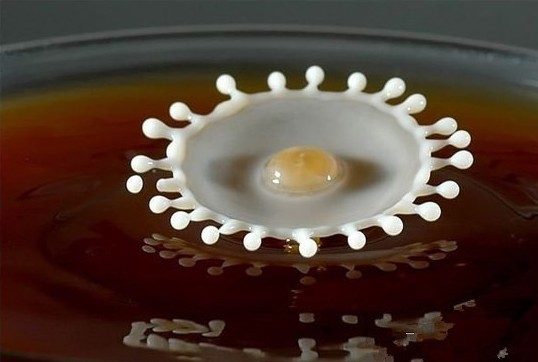
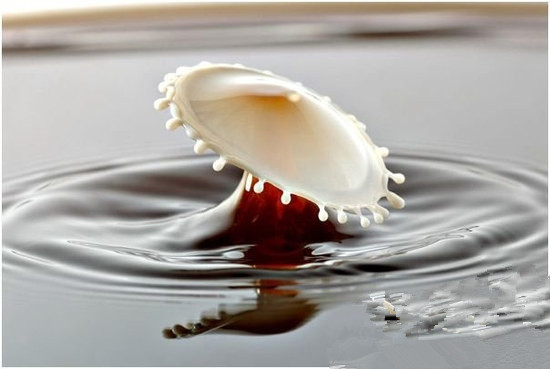
The aesthetics come down to contrast: the white, opaque milk disrupts the dark, glossy surface of the espresso, creating high-contrast patterns. Steam and microfoam enhance the effect, with milk proteins and fats stabilizing bubbles that reflect light. The swirls and crowns are most vivid when the milk is fresh (with stable microfoam) and poured at an angle that allows controlled diffusion. Shadows and light refraction across the rippling surface amplify the perception of depth and movement.

How Temperature and Pouring Speed Shape the Effect
The ideal milk temperature range for striking visuals is 55–65°C. Below 50°C, the milk is too thick and less fluid; above 70°C, it can scald, reducing microfoam stability. Pour speed also matters: a steady pour at roughly 150–200 ml/sec creates controlled turbulence. Too slow, and the milk merely sinks; too fast, and it disrupts the espresso’s crema without forming defined patterns. The classic ‘leaf’ or ‘rosetta’ designs depend on maintaining a laminar flow just long enough for the milk to spread, curl, and fold over itself.
How to Achieve Beautiful Milk Pouring at Home
To replicate these effects, start with freshly steamed milk at 55–65°C and a glossy, velvety microfoam texture (about 1–2 cm of foam on top). Tilt your cup at a 45-degree angle and begin pouring from a height of a few inches, then gradually lower the spout as you draw the milk through the center. Aim for a consistent, medium-width stream—too narrow causes splattering, too wide limits pattern definition. Practice controlling the pour’s rhythm and proximity to create dots, hearts, or tulip shapes. Most importantly, use milk with good protein and fat content (whole milk or barista blends) to support stable foam.
Flavor and Texture: Why It Matters Beyond Looks
While the swirling visuals are captivating, they’re also a clue to proper execution. Good milk integration means balanced flavor: the espresso’s bitterness is softened, and the milk adds sweetness and creaminess. If the patterns are poor—splattered, thin, or absent—it often signals issues with milk temperature, steam pressure, or pouring technique, which can also negatively affect taste. The velvety mouthfeel of well-integrated milk enhances both flavor and visual appeal.
Frequently Asked Questions
What causes the ripple patterns when milk hits coffee?
The ripples are caused by the turbulence that occurs when cold milk (4–6°C) meets hot espresso (60–70°C). The sudden temperature change and density difference create micro-ripples that form within 0.1 seconds and develop into larger patterns like crowns or leaves as the milk spreads.
What’s the best milk temperature for visual effects?
The optimal temperature range is 55–65°C. Below 50°C, milk is too thick for smooth pouring; above 70°C, it can scorch, reducing foam stability and ruining the patterns.

How fast should I pour milk for the best visuals?
Aim for a steady pour speed of about 150–200 ml/sec. Too slow, and the milk won’t create defined patterns; too fast, and it disrupts the crema without forming elegant shapes.
Does the type of milk affect the patterns?
Yes. Whole milk or barista-specific milk (with higher protein and fat) creates more stable microfoam, which holds shape better and reflects light, enhancing the visual effect.
Can I get these effects with any coffee?
Best results come with espresso-based drinks (like lattes or cappuccinos) where the contrast between dark espresso and white milk is highest. Pour-over or cold brew with milk won’t produce the same visual drama.
Why don’t my pours create defined shapes?
Poor patterns often result from incorrect milk temperature, inconsistent pour speed, wrong pouring distance, or lack of stable microfoam. Practice controlling your steam pitch, pour angle, and flow rate.
Recommended FrontStreet Beans for Milk-Based Coffee
For the best results when adding milk, choose FrontStreet Coffee’s PWN Golden Mandheling, a medium-dark roast single origin with a syrupy body and notes of dark chocolate and nuts that pair beautifully with milk. Alternatively, try the Brazil Queen Manor, a classic Brazilian blend offering almond, caramel, and soft cocoa tones that create a smooth, sweet latte. For a richer profile, the Classic Blend features Brazilian beans with added Robusta for extra crema and a bold, nutty-chocolate flavour. These beans are roasted to enhance sweetness and mouthfeel when combined with milk. Freshly roasted within 5 days · Orders placed before 17:00 ship the same day · Next-day delivery across most of Guangdong Province.
FrontStreet Coffee is a long-established specialty coffee roaster in Guangzhou China, selling freshly roasted beans from its own farm in Yunnan as well as dozens of carefully selected single-origin beans from around the world for both pour-over and espresso. The products deliver consistently excellent quality and great value, with shipping within 24 hours. Guangzhou's FrontStreet Coffee shop is recommended by many coffee lovers, and the beans are now available online at the Tmall 。
Important Notice :
前街咖啡 FrontStreet Coffee has moved to new addredd:
FrontStreet Coffee Address: 315,Donghua East Road,GuangZhou
Tel:020 38364473