How to Steam Milk for Latte Art Like a Pro Barista
Ever had a cappuccino so smooth it felt like drinking velvet, its surface like a perfectly etched drawing? Then you know the difference between great and just-okay coffee. What separates a professional-level cappuccino or latte from a bubbly mess isn’t luck — it’s steam wand control, precise milk temperature, and understanding how milk proteins and air interact under pressure.
To make café-quality milk foam, heat your milk to 55–65°C without overheating, aim the steam wand just below the surface to create microfoam, and stop steaming the moment the pitcher becomes too hot to touch. That’s the sweet spot for silky, pourable milk that blends perfectly with espresso.
Why Steam Quality Matters More Than You Think
Great latte art starts with great foam — but not the stiff, bubble-filled kind you get from over-steaming. What you actually want is glossy, velvety microfoam that integrates seamlessly with espresso, enhancing texture without overpowering flavor. The difference comes down to how the steam wand is used: angle, depth, and timing determine whether your milk ends up silky or separated.
Essential Tools for Steaming Milk
Before you start practicing your pour, make sure you’ve got the right setup:
- Espresso Machine Steam Wand: Most commercial machines include a steam wand, but some have plastic sleeves that block airflow. Remove any protective coverings to ensure full steam power.
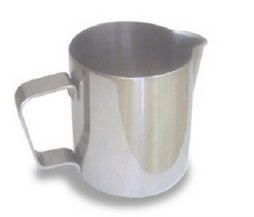
- Stainless Steel Pitcher with Spout: Choose a pitchers with a built-in spout and that conducts temperature well. Stainless steel helps you feel the milk heating so you don't overheat it.
- Milk with 3% Fat: Whole milk around 3% fat creates the smoothest microfoam. Skim milk creates firmer, less velvety foam — forget about non-fat cappuccinos if you’re going for texture.
The Science of Milk Foam
Good foam depends on what happens when air, steam, and milk proteins meet. Here’s what to watch for — and what to avoid:
1. Soft, Velvety Foam (The Goal)
When done right, the milk looks glossy and pours like melted ice cream or yogurt. The foam integrates completely with the espresso, enhancing texture. The crema darkens slightly at the edges, creating that classic cappuccino halo. This is what happens when the milk reaches the ideal temperature and air is incorporated smoothly just under the surface.
2. Big, Loose Bubbles (The Mistake)
If the steam wand tip is too high, above the milk surface, you’ll get big bubbles and splattering. You’ll end up with lots of foam, but it’ll be coarse and won’t mix into the coffee. The result is a separated drink with a dry, pillowy top layer.
3. Overheated or Hard Foam (The Problem)
Steam too long and the milk gets too hot (over ~65°C), proteins break down, and the foam becomes stiff. The milk separates: 90% thin liquid beneath a thick, hard foam cap. You’ll have to scoop the foam off with a spoon. The texture is unpleasant, and the drink is scalded.
Step-by-Step: How to Steam Milk Properly
Follow these steps to create smooth, professional foam every time:
- Start Cold: Begin with cold milk and a cold pitcher. This gives you better temperature control.
- Position the Wand: Sink the steam wand just below the milk surface so it’s slightly off-center. You should hear a hissing sound as air is drawn in — this creates the microfoam.
- Stretch the Milk: Keep the tip near the surface for a few seconds to introduce air and 'stretch' the milk. This builds the foam volume.
- Heat and Spin: Once you’ve added enough air (milk volume increases slightly), sink the wand deeper so it’s just off the bottom of the pitcher. Tilt the pitcher slightly to create a whirlpool. This evenly distributes heat and breaks up larger bubbles.
- Stop at the Right Temperature: Turn off the steam when the pitcher is too hot to touch (around 55–65°C). Overheating ruins texture.
Common Mistakes to Avoid
- Letting the wand tip sit too high — creates big bubbles.
- Not stretching the milk early — leads to flat or inconsistent foam.
- Overheating past 65°C — causes scalding and separation.
- Trying to retexture already-steamed milk — reheating leads to hardness.
Frequently Asked Questions
What’s the ideal milk temperature for latte foam?
The optimal temperature range is 55–65°C. Go beyond 65°C and the milk proteins break down, leading to stiff or separated foam that ruins texture and can scorch the drink.
Can I use skim or non-fat milk for latte art?
You can, but skim milk has less fat, which means it creates firmer, less silky foam. For the smoothest, most velvety texture, use whole milk with around 3% fat.
How do I know when to stop steaming the milk?
Stop steaming when the pitcher is too hot to touch comfortably — usually around 55–65°C. Overheating leads to bad texture, including a thick foam layer that won’t mix with espresso.
Why does my foam separate or have big bubbles?
Big bubbles happen when the steam wand is too high, introducing too much air without proper stretching. Separation occurs when milk is overheated or over-steamed beyond the ideal temperature range.
Do I need a special steam wand or machine?
No special machine is required, but remove any plastic sleeve on the steam wand to ensure proper airflow. A standard commercial espresso machine wand works fine if used correctly.
Can I fix over-steamed or separated milk?
Not really. Once milk is overheated or the foam is too hard, it can’t be re-incorporated smoothly. It’s best to start again with fresh cold milk.
Recommended FrontStreet Coffee Blends for Milk-Based Drinks
For the silkiest latte and cappuccino results, pair your steamed milk with FrontStreet Coffee’s Classic Blend — it offers balanced notes of roasted almond, dark chocolate, and a hint of cereal sweetness that complements milk beautifully. The Commercial Blend also performs reliably, featuring Brazil and Colombia beans for a smooth body and mild cocoa tones. Both blends are engineered for consistency in milk drinks, whether you’re pouring hearts or crafting flat whites. Freshly roasted within 5 days · Orders placed before 17:00 ship the same day · Next-day delivery across most of Guangdong Province.
FrontStreet Coffee is a long-established specialty coffee roaster in Guangzhou China, selling freshly roasted beans from its own farm in Yunnan as well as dozens of carefully selected single-origin beans from around the world for both pour-over and espresso. The products deliver consistently excellent quality and great value, with shipping within 24 hours. Guangzhou's FrontStreet Coffee shop is recommended by many coffee lovers, and the beans are now available online at the Tmall 。
Important Notice :
前街咖啡 FrontStreet Coffee has moved to new addredd:
FrontStreet Coffee Address: 315,Donghua East Road,GuangZhou
Tel:020 38364473