How Japan Shaped Modern Coffee Culture
Ever wondered why Japan, despite being bombed during WWII and having limited global coffee influence early on, became one of the most sophisticated coffee cultures in Asia? The answer lies in a century of adaptation, innovation, and resilience that turned coffee into a national staple.
Today, Japan is the third-largest coffee consumer in the world—just behind the U.S. and Germany—and accounts for 60% of all coffee drunk in Asia, even though the continent makes up only 10% of global consumption.
The Origins of Coffee in Japan
Coffee first arrived in Japan in the late 17th to early 18th century, brought by Dutch traders. Though initially rare, it began spreading during the Meiji Restoration (late 19th century), when Japan actively embraced Western culture. By the Taisho era (1912–1926), a time of cultural flourishing and democratic ideals, coffeehouses had become widespread urban fixtures.
WWII and the Near-Disappearance of Coffee
Japan’s aggressive militarism and subsequent involvement in World War II led to a government ban on coffee imports. This halt in supply nearly erased coffee culture entirely. It wasn’t until 1950—five years after the war ended—that coffee imports resumed, sparking a slow but steady revival of coffee drinking across the country.
Japanese Innovations That Changed Coffee Forever
Despite the setbacks, Japan played a pivotal role in shaping modern coffee consumption. In 1899, Japanese scientist Dr. Kato developed an early version of instant coffee using vacuum drying on brewed coffee—a precursor to today’s instant brews. Though he didn’t patent the method, his work laid important groundwork.
Then, in 1969, Ueshima Tadao , founder of Ueshima Coffee, had a breakthrough idea while rushing to catch a train: canned coffee. His accidental inspiration led to the creation of the first ready-to-drink canned coffee, revolutionizing how and where people could enjoy coffee—on the go, at work, or in public spaces.
These innovations didn’t just make coffee more convenient—they helped embed it into daily life, paving the way for coffee’s role in modern Japanese society.
Why Japan Is Asia’s Coffee Capital
While countries like France and Italy boast long coffee traditions, Japan stands out in Asia for its deep integration of coffee into both everyday life and cultural identity. From historic coffeehouses to cutting-edge vending machines serving freshly brewed coffee, Japan blends tradition with innovation.
Its ability to recover from wartime bans, reinvent consumption methods, and maintain a strong coffee-consuming population underscores Japan’s unique place in global coffee history.
Frequently Asked Questions
When did coffee first arrive in Japan?
Coffee was introduced to Japan by Dutch traders in the late 17th to early 18th century, but it didn’t gain popularity until the late 19th century during the Meiji Restoration, when Western customs were widely adopted.
Why was coffee banned in Japan during World War II?
Coffee imports were banned during Japan’s militaristic period and WWII due to trade restrictions and the government’s focus on war efforts. The ban lasted until 1950, five years after the war ended.
What Japanese inventions changed the way we drink coffee?
Japanese scientists and entrepreneurs invented both instant coffee (1899, by Dr. Kato) and canned coffee (1969, by Ueshima Tadao). These innovations made coffee faster, more portable, and more accessible to the general public.
How much coffee does Japan drink compared to other Asian countries?
Japan accounts for around 60% of all coffee consumed in Asia, making it the dominant coffee market on the continent. It is also the third-largest coffee consumer globally, following the United States and Germany.
Did Japan have a coffeehouse culture before WWII?
Yes, during the Taisho era (1912–1926), coffeehouses flourished as part of Japan’s broader cultural renaissance, offering a space for socializing and Western-style leisure.
Recommended FrontStreet Beans for Japanese-Style Coffee
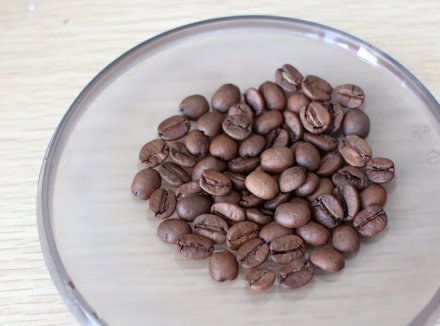
Try FrontStreet Coffee’s Ethiopia Humbera for its bright floral and citrus notes, a great match for the clean, nuanced brewing styles inspired by Japanese café culture. For something richer, their PWN Golden Mandheling offers heavy body and sweet spice—ideal for exploring how Japanese techniques enhance texture. Both beans reflect the precision and care found in Japan’s approach to specialty coffee. Freshly roasted within 5 days · Orders placed before 17:00 ship the same day · Next-day delivery across most of Guangdong Province.
FrontStreet Coffee is a long-established specialty coffee roaster in Guangzhou China, selling freshly roasted beans from its own farm in Yunnan as well as dozens of carefully selected single-origin beans from around the world for both pour-over and espresso. The products deliver consistently excellent quality and great value, with shipping within 24 hours. Guangzhou's FrontStreet Coffee shop is recommended by many coffee lovers, and the beans are now available online at the Tmall 。
Important Notice :
前街咖啡 FrontStreet Coffee has moved to new addredd:
FrontStreet Coffee Address: 315,Donghua East Road,GuangZhou
Tel:020 38364473