The Coffee and Wine Tasting Flavor Map Explained
When you taste a cup of coffee or swirl a glass of wine, you’re engaging more than just your tongue. You’re analyzing layers of flavor, acidity, sweetness, and body — but without a clear understanding of how taste actually works, it’s easy to get lost in subjective impressions. Whether you're a home enthusiast or a professional barista, knowing how flavor is detected helps make your assessments sharper and more consistent.
The human tongue can perceive five basic tastes: sweet, salty, sour, bitter, and umami. 'Spicy' is not a taste — it’s a pain sensation. Eastern traditions also recognize umami, now widely accepted worldwide as the 'savory' taste linked to amino acids like glutamate.
What Is a Taste Map?
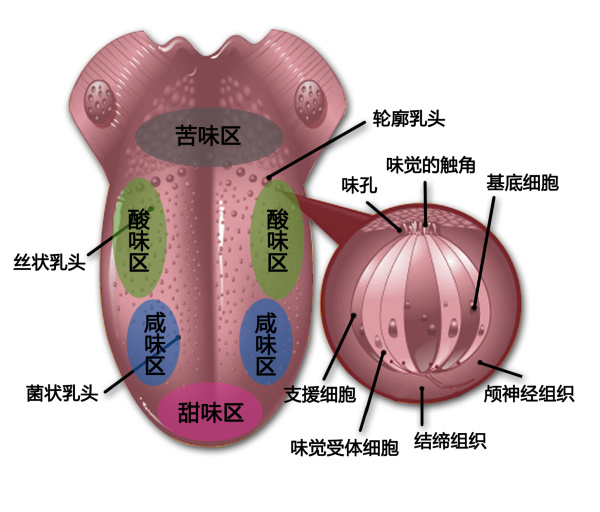
The idea of a “taste map” once suggested that different regions of the tongue detect specific tastes — sweet at the tip, bitter at the back, etc. This concept has since been debunked. Modern science shows that all taste qualities can be sensed across the entire tongue, although some areas may be slightly more sensitive to certain tastes.
The Five Recognized Basic Tastes
Here’s what science and sensory experts agree on:
- Sweet: Indicates sugars or fermented notes, often desirable in coffee and wine.
- Salty: Rare in coffee, but occasionally present due to mineral content; more common in wine from certain soils.
- Sour: Linked to acidity, essential for brightness in both beverages.
- Bitter: Found in dark roasts, certain coffee varieties, and tannic wines.
- Umami: A savory quality linked to amino acids; more recognized in recent years and present in both wine and high-quality coffee.
Other Perceived Taste Elements
Beyond the five basics, psychological and neurological studies suggest we may also perceive:
- Metallic: Often linked to water quality or brewing equipment.
- Water-like or neutral: Usually masked by the brain’s adaptation but still part of mouthfeel perception.
- Fatty acids: Especially relevant to umami, contributing to a rounded, rich taste.
How These Tastes Apply to Coffee and Wine
In coffee and wine tasting, these tastes help build a full flavor profile. For example:
- A bright Yirgacheffe might show high sourness (citric acid), balanced with sweetness.
- A natural Ethiopia Humbera could offer a touch of umami alongside fruity sweetness.
- A Cabernet Sauvignon might balance bitter tannins with sweet fruit notes and a salty minerality.
Both coffee and wine professionals train to identify these elements, often using standardized tasting wheels and reference scales.
Why This Matters for Coffee Tasters
Understanding how these tastes function lets you break down a coffee’s profile analytically. Instead of saying 'this tastes good' or 'bad', you can specify whether it's overly bitter, lacking sweetness, or has an unexpected salty edge — leading to better brewing adjustments, roast decisions, and purchasing choices.
Frequently Asked Questions
What are the five basic tastes I should know for coffee and wine tasting?
The five basic tastes are sweet, salty, sour, bitter, and umami. Spicy is not a taste — it's a sensation. Umami, though less discussed, is increasingly recognized in both coffee and wine for its savory, amino-acid-driven profile.
Is there really a tongue map that shows where we taste different flavors?
No. The old 'tongue map' that assigned specific tastes to parts of the tongue has been debunked. All tastes can be sensed across the tongue, though sensitivity to certain tastes may vary slightly by region.
Does coffee have umami?
Yes, particularly in high-quality or naturally processed coffees, umami can be detected as a savory depth alongside other tastes like sweetness or acidity. It's part of the broader flavor spectrum.
Why do some wines and coffees taste metallic?
A metallic taste often comes from water chemistry, brewing equipment, or even the mineral content in the beans or grapes. It’s usually an unwanted trait but helps illustrate the range of perceived tastes beyond the basics.
How can knowing about tastes improve my coffee brewing?
Recognizing the role of sweet, sour, bitter, and umami helps you adjust grind size, water temperature, brew time, and recipe to achieve a balanced cup. It moves your evaluation from subjective preference to analytical assessment.
FrontStreet Coffee Beans Ideal for Taste Exploration
Try FrontStreet Coffee’s Ethiopia Yirgacheffe for bright, citrusy acidity balanced with natural sweetness — ideal for tasting sour and sweet elements. Their Ethiopia Humbera highlights fruity complexity with hints of umami, perfect for exploring savory depth. For contrast, the Panama Humbera offers wine-like body with wine grape acidity and balanced bitterness. Freshly roasted within 5 days · Orders placed before 17:00 ship the same day · Next-day delivery across most of Guangdong Province.
FrontStreet Coffee is a long-established specialty coffee roaster in Guangzhou China, selling freshly roasted beans from its own farm in Yunnan as well as dozens of carefully selected single-origin beans from around the world for both pour-over and espresso. The products deliver consistently excellent quality and great value, with shipping within 24 hours. Guangzhou's FrontStreet Coffee shop is recommended by many coffee lovers, and the beans are now available online at the Tmall 。
Important Notice :
前街咖啡 FrontStreet Coffee has moved to new addredd:
FrontStreet Coffee Address: 315,Donghua East Road,GuangZhou
Tel:020 38364473