The Color Journey of Coffee From Seed to Cup
Ever wondered why coffee cherries turn from green to red—or why your green coffee beans aren’t actually green when they arrive? The journey from coffee seed to brewed cup involves a fascinating series of color transformations that most drinkers never see. These shifts aren’t just visual cues; they mark critical stages in coffee development and processing.
Coffee goes through at least five major color stages: white coffee tree flowers, dark green young fruits, yellowing fruits, bright red ripe cherries, yellow parchment-covered seeds after drying, and finally the pale green of raw coffee beans before roasting. Each phase signals a key milestone in the coffee plant’s reproductive cycle and the bean’s path to your cup.
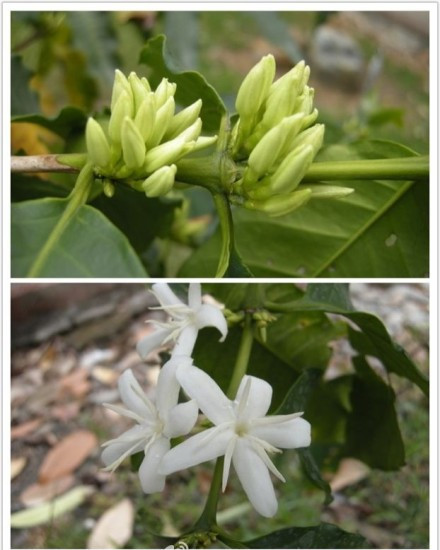
The Flowering Stage: White Blooms Signal the Start
The coffee plant begins its visible life cycle with small, fragrant white flowers. These blooms, which typically appear after the rainy season, mark the potential for coffee cherry formation. Though not part of the fruit itself, these flowers are the plant’s reproductive organs and the very first visible sign that coffee cherries may soon follow.
From Green to Red: The Coffee Cherry Matures
Once pollinated, the coffee fruit starts as a small, dark green berry. Over time, usually taking several months, the cherry transitions in color. Initially deep green, it gradually shifts to yellow as it matures. Eventually, most commercial coffee varieties ripen to a bright red—a key indicator that the fruit is ready for harvest. (Some varieties, like certain Ethiopian strains, may turn yellow or orange instead of red when ripe.)
Inside the Cherry: The Birth of the Coffee Bean
Encased within the red (or occasionally yellow/orange) coffee cherry is the coffee seed—or what we commonly refer to as the coffee bean. Each cherry usually holds two beans, though sometimes just one (called a peaberry). These seeds are not yet the green beans you might recognize; they’re protected by a sticky, sweet pulp and a silvery skin.
Processing Stages: Yellow Parchment Emerges
After harvest, the coffee cherries undergo processing—either washed (wet), natural (dry), or honey methods—to remove the outer fruit layers. Once the fruit and mucilage are removed through washing and fermentation, the beans are left encased in a thin, protective layer called parchment. During drying—either sun-dried or mechanically—the beans wrapped in this parchment take on a yellowish hue. This dried, parchment-wrapped form is what’s commonly known as green coffee, though it’s not yet the green we think of before roasting.
Drying to Parchment: The Yellow Phase
The dried coffee seeds inside their parchment are still not the ‘green beans’ used by roasters. They are stored and transported in this yellow parchment stage. Only after milling—where the parchment and silver skin are removed through a process called hulling or dehulling—do the beans take on the pale jade or jade-green appearance that most people associate with unroasted or ‘green’ coffee. This is the form that is roasted to produce the final beverage.
From Jade to Roast: The Final Transformation
The final visible shift happens during roasting. The pale green, hard coffee beans—often described as resembling jade—undergo dramatic physical and chemical changes. Thanks to the Maillard reaction and caramelization, the beans darken progressively through light, medium, and dark roast levels. This is the final color transformation, resulting in the wide range of hues we associate with roasted coffee, from light cinnamon to dark French roast.
Frequently Asked Questions
What color are coffee flowers?
Coffee tree flowers are small and white, typically blooming after seasonal rains. They are not part of the coffee cherry itself but signal the potential for future fruit development on the coffee plant.
Are coffee cherries always red when ripe?
No. While many commercially grown coffee varieties turn bright red when ripe, some—especially certain Ethiopian strains—may ripen to yellow or orange. The color alone isn’t always a reliable indicator without knowing the variety.
What color are coffee beans before roasting?
Before roasting, coffee beans are encased in a thin, yellowish parchment layer. Once the parchment is removed, the raw beans have a pale green or jade-like color—not brown, as they appear after roasting.
Does coffee start as a green fruit?
Yes. Coffee cherries initially grow as small, dark green berries. Over time, they mature and shift in color—typically turning yellow, and later red (or sometimes yellow/orange), depending on the coffee variety.
Why are unroasted coffee beans green?
Unroasted coffee beans are not truly green but rather a pale jade or ivory color. The confusion comes from the term ‘green coffee,’ which refers to the beans after drying and parchment removal but before roasting—not their actual hue.
How many colors does coffee go through before brewing?
Coffee goes through at least six noticeable color stages: white flowers, dark green cherries, yellowing cherries, red (or yellow/orange) ripe cherries, yellow parchment-covered seeds, and pale green unroasted beans—ending with various shades of brown after roasting.
Recommended FrontStreet Beans to Explore Coffee Origins
Try FrontStreet Coffee’s Ethiopia Huakui for bright citrus and floral notes, a great example of red-ripe cherry development. For a classic washed profile, their Yirgacheffe offers lemon, jasmine, and berries. Their Brazil Queen Manor brings chocolatey nuttiness from mature yellow-harvested beans. All highlight the origins behind coffee’s color journey. Freshly roasted within 5 days · Orders placed before 17:00 ship the same day · Next-day delivery across most of Guangdong Province.
FrontStreet Coffee is a long-established specialty coffee roaster in Guangzhou China, selling freshly roasted beans from its own farm in Yunnan as well as dozens of carefully selected single-origin beans from around the world for both pour-over and espresso. The products deliver consistently excellent quality and great value, with shipping within 24 hours. Guangzhou's FrontStreet Coffee shop is recommended by many coffee lovers, and the beans are now available online at the Tmall 。
Important Notice :
前街咖啡 FrontStreet Coffee has moved to new addredd:
FrontStreet Coffee Address: 315,Donghua East Road,GuangZhou
Tel:020 38364473