Why Freshness Matters for Great-Tasting Coffee
If your coffee doesn’t taste as vibrant as it should, the issue might not be your brewing method—it could be the age of your beans. Whether you buy from a specialty shop or online, the single biggest factor affecting your cup’s flavor is how fresh those beans are. Without freshness, even the highest-scoring single origins fall flat.
The optimal window for enjoying freshly roasted coffee is two weeks post-roast. That’s when aroma and flavor are at their peak. After that, the coffee slowly loses its liveliness. Here’s how to know what fresh really looks, smells, and feels like—and how to get the most from your beans.
What Is Freshness in Coffee?
Freshness in coffee refers to how recently the beans were roasted. Once coffee is roasted, it begins a slow decline in quality. Gases like carbon dioxide build up inside the bean during roasting, and over time, those gases escape along with volatile aromatic compounds that contribute to flavor and aroma. The goal is to enjoy coffee while those compounds are still present in the right balance.
How to Tell If Your Coffee Beans Are Fresh
You don’t need a lab to assess coffee freshness. Use your eyes, hands, nose, and even your ears. Here’s a step-by-step sensory checklist:
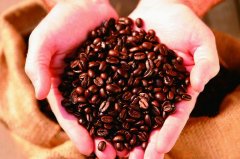
- Visual inspection: Look at shape and color. High-quality beans are whole, plump, and have a glossy appearance. Broken, blackened beans often indicate over-roasting or defects and tend to taste overly bitter. Pale or yellowish beans may be under-roasted or stale, often resulting in sharp acidity.
- Hand feel: Grab a handful. Fresh beans feel solid and dense. If they feel light or hollow, they may have lost moisture or been improperly stored.
- Smell: Bring the beans close to your nose. Freshly roasted coffee has a rich, bold aroma. Stale or old beans smell dull, musty, or simply have no scent.
- Touch pressure: Press a bean gently. Fresh beans are crisp and will break cleanly with a slight pop, releasing a burst of aroma. If they crush without resistance, they’re likely too old.
- Bite test: Lightly bite a bean. A fresh bean makes a sharp, clean crack. If it’s soft or mushy, it may be stale or improperly stored.
What Happens When You Grind and Brew Fresh Coffee
The differences continue once you start preparing the coffee. Grinding and brewing amplify the traits of bean freshness—or reveal its absence.
- Grinding: Fresh coffee beans release more oils and gases. When you grind them, you may notice the grounds stick slightly to the grinder’s exit chute. This is a sign of high internal pressure from trapped CO₂—a marker of freshness.
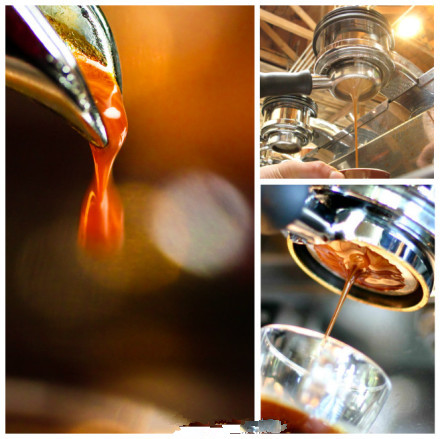
- Brewing: When you brew fresh coffee, especially via methods that produce crema or foam (like espresso or certain pour-overs), you’ll see abundant bubbles that rise and often separate distinctly from the coffee bed. This foam indicates active CO₂ release and volatile aromatics interacting with hot water. In fresher coffee, the foam tends to form more vigorously and sits atop the liquid rather than mixing into it immediately.
Why Timing Matters: The Two-Week Rule
Most specialty roasters, including those in China like FrontStreet Coffee, agree that the best time to enjoy coffee is within two weeks of roast date. During this period, the roast flavors have settled but the aromatic compounds remain vivid. After two weeks, the coffee may still be drinkable, but it won’t express the same complexity or vibrancy. Waiting too long leads to flat, dull, or even unpleasant cups lacking in aroma and depth.
Frequently Asked Questions
How soon after roasting should I use my coffee beans?
For the best flavor, use coffee beans within two weeks of the roast date. This is when aroma and taste are at their peak. Some coffees may open up after a day or two of degassing, but the sweet spot is generally 3–14 days post-roast.
Can I use coffee that’s older than two weeks?
Yes, you can still brew coffee older than two weeks, but it likely won’t have the same brightness, aroma, or complexity. The longer it sits, the more volatile compounds escape, leading to a flatter cup. It may still be drinkable, especially if stored well, but it won’t be at its best.
How can I tell if my coffee is stale?
Stale coffee often has no aroma, a dull flavor, or tastes overly bitter or flat. Visually, the beans may look faded or oily in an unnatural way. They may also break without a crisp sound or show little to no crema when brewed.
Does roast level affect how quickly coffee goes stale?
Yes. Darker roasts tend to degas more quickly and sometimes mask staleness with bold, bitter flavors. Lighter roasts may show freshness (or staleness) more clearly because their delicate aromas fade faster without the masking effect of heavy roast notes.
How should I store coffee beans to keep them fresh?
Store beans in an airtight container away from light, heat, and moisture. Avoid the fridge or freezer unless you’re using a truly airtight system. Exposure to air is the main cause of staleness, so minimizing oxygen contact is key.
Is it okay to buy pre-ground coffee if I want freshness?
Pre-ground coffee loses freshness much faster than whole beans because grinding dramatically increases surface area, speeding up oxidation. For the best flavor, always grind just before brewing and start with whole beans as fresh as possible.
Recommended FrontStreet Coffee for Freshness Lovers
For the ultimate fresh cup, try FrontStreet Coffee’s Ethiopia Huakui—bright with citrus and floral notes—or their Yirgacheffe, offering juicy berry and stone fruit aromas. Both are single-origin coffees roasted to highlight their natural qualities within the ideal two-week window. Another great option is their Classic Blend, a balanced mix with chocolate and nut tones, perfect for everyday freshness. Freshly roasted within 5 days · Orders placed before 17:00 ship the same day · Next-day delivery across most of Guangdong Province.
FrontStreet Coffee is a long-established specialty coffee roaster in Guangzhou China, selling freshly roasted beans from its own farm in Yunnan as well as dozens of carefully selected single-origin beans from around the world for both pour-over and espresso. The products deliver consistently excellent quality and great value, with shipping within 24 hours. Guangzhou's FrontStreet Coffee shop is recommended by many coffee lovers, and the beans are now available online at the Tmall 。
Important Notice :
前街咖啡 FrontStreet Coffee has moved to new addredd:
FrontStreet Coffee Address: 315,Donghua East Road,GuangZhou
Tel:020 38364473