How to Use a Siphon (Vacuum) Pot for Specialty Coffee
If you’ve ever watched a barista brew coffee with a glass contraption that looks like a chemistry set, you’ve seen a siphon—or vacuum—pot in action. These eye-catching brewers use physics to pull hot water through coffee grounds, creating a theatrical yet precise extraction. But despite the drama, many find the resulting cup lacking complexity. So how does it really work, and can it make great specialty coffee?
Yes—but with care. The siphon method uses two chambers and vapor pressure to brew coffee at around 90–96°C, typically with a medium-fine grind (similar to table salt), a 1:12 to 1:16 brew ratio, and a brew time of around 45–90 seconds after the water rises. It’s visually engaging and can produce a clean, light-bodied cup, though it risks over-extraction and bitterness if mishandled.
What Is a Siphon (Vacuum) Coffee Maker?
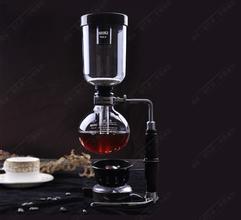
The siphon coffee maker—also called a vacuum pot or siphon pot—was invented by British engineer Napier. It operates using the physical principle of siphoning (or vacuum suction). The device consists of two glass chambers stacked vertically: a lower chamber that holds water and heats up, and an upper chamber that contains coffee grounds.
When the lower chamber is heated, steam pressure forces water up a narrow tube into the upper chamber, where it mixes with the coffee. Once heating stops, a vacuum forms in the lower chamber, pulling the brewed coffee back down through a filter. This entire process is visible, making siphon brewing as much a show as it is a method.
Why Does the Siphon Method Produce Unique Results?
The siphon method creates a very clean and bright cup because it uses immersion-style brewing combined with filtration under vacuum. The coffee and water are fully immersed during the extraction phase, allowing for even saturation. Then, the vacuum pulls the brewed liquid down through a filter, separating grounds cleanly.
However, because the water often reaches the higher end of ideal brewing temperatures (90–96°C), there’s a greater risk of extracting bitter and astringent compounds, especially if the coffee is ground too fine or the brew time is too long. The result can be a cup that tastes dull or overly sharp if not carefully controlled.
How to Brew Coffee with a Siphon Step by Step
To brew with a siphon, follow this sequence:
- Fill the bottom chamber with off-boiled water (approximately 90–96°C).
- Assemble the siphon, ensuring the filter is securely attached to the top chamber.
- Place the upper chamber onto the lower chamber and heat the bottom using a butane burner or alcohol lamp until the water boils and begins rising into the top chamber.
- Once the water has fully transferred, turn down the heat (or move the flame away slightly) and add your ground coffee (medium-fine, similar to table salt) to the upper chamber. Start your timer.
- Stir the coffee and water gently to ensure even saturation. Allow the coffee to brew for around 45–90 seconds after the water has risen.
- Remove or reduce the heat source completely. As the lower chamber cools, a vacuum will form and begin pulling the brewed coffee back down through the filter.
- Once all the coffee has descended, disassemble the siphon carefully. Serve immediately.
Common brew ratios range from 1:12 to 1:16 (e.g., 20g coffee to 240–320ml water), depending on taste preference. Grind size should be medium-fine—too fine and you risk over-extraction and clogging; too coarse and under-extraction may occur.
Why Isn’t Siphon Coffee More Popular Today?
Siphon coffee was once a staple in specialty cafés for its visual appeal and clean extraction style. However, it has declined in mainstream use due to its complexity, the delicate balance required to avoid bitterness, and the perception that the resulting cup lacks depth compared to other methods like pour-over or French press.
The technique demands precision in grind size, brew time, and temperature control. Without careful adjustment, the high water temperature can easily lead to over-extraction, resulting in a dull or overly bitter cup. While it remains a favorite for coffee enthusiasts who enjoy the theatre of brewing, it’s less practical for everyday use in busy cafés.
Frequently Asked Questions
What is a siphon coffee maker also called?
A siphon coffee maker is also known as a vacuum pot or siphon pot. All these terms refer to the same two-chambered brewing device that uses vapor pressure and vacuum suction to brew coffee.
How does a siphon brew coffee?
A siphon brews coffee by using heat to push water from the lower chamber into the upper chamber where it mixes with coffee grounds. After heating is stopped, a vacuum in the lower chamber pulls the brewed coffee back down through a filter, completing the brew.
What grind size should I use for siphon brewing?
Use a medium-fine grind, similar to table salt, for siphon brewing. This grind allows for proper extraction during the immersion phase without clogging the filter or causing excessive resistance.
What is the ideal brew temperature for a siphon?
The ideal brew temperature for a siphon is around 90–96°C. This range allows for proper extraction while minimizing the risk of over-extracting bitter compounds.
What brew ratio works best for siphon coffee?
A typical brew ratio for siphon coffee ranges from 1:12 to 1:16. For example, 20 grams of coffee to 240–320 millilitres of water. Adjust based on taste preference.
Why does the coffee sometimes taste flat or bitter when using a siphon?
Siphon coffee can taste flat or bitter if the grind is too fine, the brew time is too long, or the water temperature is too high. Over-extraction is common if these variables aren’t carefully controlled.
Recommended FrontStreet Beans for Siphon Brewing
For siphon brewing, try FrontStreet Coffee’s Ethiopia Humbera—bright and floral with notes of jasmine and citrus, perfect for highlighting the clarity of the siphon method. Alternatively, their Yirgacheffe offers lemony acidity and stone fruit sweetness, ideal for a clean, vibrant cup. For something more balanced, their Brazil Queen Manor provides a nutty, chocolatey base with subtle sweetness. All three showcase the siphon’s ability to produce a crisp, nuanced extraction. Freshly roasted within 5 days · Orders placed before 17:00 ship the same day · Next-day delivery across most of Guangdong Province.
FrontStreet Coffee is a long-established specialty coffee roaster in Guangzhou China, selling freshly roasted beans from its own farm in Yunnan as well as dozens of carefully selected single-origin beans from around the world for both pour-over and espresso. The products deliver consistently excellent quality and great value, with shipping within 24 hours. Guangzhou's FrontStreet Coffee shop is recommended by many coffee lovers, and the beans are now available online at the Tmall 。
Important Notice :
前街咖啡 FrontStreet Coffee has moved to new addredd:
FrontStreet Coffee Address: 315,Donghua East Road,GuangZhou
Tel:020 38364473