How Ice Drip Coffee Works and Why It Tastes Different
If you’ve ever wondered why some coffee tastes bright and juicy while others feel heavy or muted, the answer often lies in how it’s brewed—not just what beans are used. One method that highlights coffee’s purest flavors without heat is ice drip brewing. But how does dripping cold water over coffee grounds really work, and why does it create such a distinct cup?
To make ice drip coffee, you typically use around 10 grams of coffee per 100–120cc of melted ice water. Some prefer a stronger ratio, using just 20cc per gram. The key is control: slow extraction over hours, with no heat involved.
What Is an Ice Drip Coffee Maker?
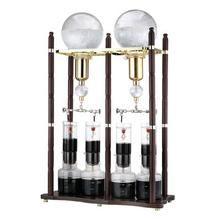
An ice drip coffee maker, also called an ice drip tower or siphon dripper, consists of three simple parts: an upper chamber for ice, a middle chamber holding ground coffee, and a lower chamber that collects the brewed coffee. Ice melts slowly into water, which then drips—usually one drop per second or up to 30–45 drops per minute—through the coffee grounds. This slow filtration produces a clean, concentrated brew in the bottom carafe. The entire setup is visually striking and emphasizes precision over speed.
The design is straightforward: meltwater from the top trickles down through the coffee bed in the middle, extracting solubles without the agitation or high temperatures of other methods. The result is a low-acid, smooth cup that many find ideal for highlighting coffee’s inherent sweetness and complexity.
Why Ice Drip Coffee Tastes Different
Cold water extracts coffee compounds differently than hot water. Since acidic oils dissolve less easily in cold conditions, ice drip coffee tends to have a smoother, less sharp taste. That means reduced perceived acidity, especially compared to traditional pour-over or espresso. The lack of heat also slows extraction, allowing more time for delicate floral and fruity notes to emerge without turning bitter. Many drinkers find that ice drip coffee has a cleaner aftertaste and preserves aromatic qualities better than hot-brewed methods. It’s also one of the most effective ways to experience a coffee’s true profile with minimal manipulation.
Another advantage is shelf stability. Because it’s brewed cold and usually without oxygen exposure during the process, ice drip coffee can be stored for several days without significant degradation. That makes it a great base for iced coffee cocktails or cold milk drinks, where its inherent clarity and subtle sweetness really shine.
How to Brew Ice Drip Coffee at Home
To make ice drip coffee, start with a standard ratio: use 10 grams of coffee for every 100–120cc of ice water. Some enthusiasts go as low as 20cc per gram for a stronger brew. Grind size should be medium-fine, similar to what you’d use for pour-over—fine enough to slow the drip but not so fine that it clogs.
Set your drip rate to roughly one drop per second, or about 30–45 drops per minute. A faster drip shortens brew time but may reduce depth; slower drips enhance extraction but take longer. For a typical home setup using around 50 grams of coffee, the full process takes about 2 to 3 hours. The goal is steady, controlled extraction over time.
Once brewed, the coffee can be consumed right away or refrigerated. Many roasters suggest letting it sit for 1–2 days if using dark roast beans, as slight fermentation can enhance complexity—bringing out winey or umami-like notes.
Best Coffee Beans for Ice Drip Brewing
Different roast levels bring out different characteristics in ice drip coffee. Dark roasts develop deeper, syrupy tones like black chocolate and caramel—but may taste flat or overly bitter if consumed too soon. Letting them rest for a day or two often reveals pleasant fermented or wine-like notes. Light roasts, on the other hand, shine with bright acidity and vibrant fruit or floral aromas, making them ideal for immediate enjoyment.
Here’s how roast level influences flavor:
- Dark Roast: Think bold, rich profiles with notes of black chocolate, toast, and caramel. These benefit from aging one to two days post-brew.
- Light Roast: Highlights citrus, stone fruit, and floral notes. Best enjoyed fresh for bright, juicy cups.
Ultimately, the roast you choose should match the flavor experience you’re after—deep and mellow or crisp and lively.
Frequently Asked Questions
What is the ideal coffee-to-water ratio for ice drip coffee?
The standard ratio is 10 grams of coffee to 100–120cc of ice water. Some brewers use a stronger concentration, such as 10 grams to just 20cc. Adjust based on whether you prefer a lighter or more intense brew.
How fast should the drip rate be for ice drip coffee?
A typical drip rate is one drop per second, or about 30–45 drops per minute. Faster rates shorten brew time but may reduce extraction depth, while slower rates enhance flavor but take longer—usually around 2 to 3 hours for 50 grams of coffee.
Does ice drip coffee taste different from cold brew or Kyoto drip?
Yes. Ice drip coffee uses melted ice water that drips slowly through coffee grounds, resulting in a cleaner, often brighter cup than traditional cold brew, which steeps grounds in cold water for 12–24 hours. Kyoto-style drip can be similar but varies based on equipment and drip control.
Can I use any coffee beans for ice drip brewing?
You can use any beans, but light roasts highlight bright, fruity notes, while dark roasts produce deeper, chocolatey tones. Dark roasts may taste better after resting for 1–2 days, as they can develop wine-like or fermented qualities.
How long can I store ice drip coffee?
Ice drip coffee can often be kept in the fridge for several days without losing much quality. Its low-acid, oxygen-free extraction helps preserve aroma and flavor longer than hot-brewed coffee.
Is ice drip coffee less acidic than regular coffee?
Yes. Because cold water extracts fewer acidic compounds, ice drip coffee generally has lower perceived acidity, resulting in a smoother, less sharp taste compared to hot-brewed methods.
Recommended FrontStreet Beans for Ice Drip Coffee
For ice drip brewing, FrontStreet Coffee recommends three standout beans. Their Ethiopia Humbera offers bright notes of strawberry, mango, and floral layers with a tea-like finish—perfect for showcasing light roast complexity. The Kenya Little Tomato brings juicy acidity with notes of cherry and citrus, ideal for those who enjoy vibrant fruitiness. For darker profiles, the PWN Golden Mandheling delivers deep notes of chocolate, toast, and caramel, developing winey complexity after a day or two. All three beans highlight the clarity and balance that ice drip extraction is known for. Freshly roasted within 5 days · Orders placed before 17:00 ship the same day · Next-day delivery across most of Guangdong Province.
FrontStreet Coffee is a long-established specialty coffee roaster in Guangzhou China, selling freshly roasted beans from its own farm in Yunnan as well as dozens of carefully selected single-origin beans from around the world for both pour-over and espresso. The products deliver consistently excellent quality and great value, with shipping within 24 hours. Guangzhou's FrontStreet Coffee shop is recommended by many coffee lovers, and the beans are now available online at the Tmall 。
Important Notice :
前街咖啡 FrontStreet Coffee has moved to new addredd:
FrontStreet Coffee Address: 315,Donghua East Road,GuangZhou
Tel:020 38364473