SCAA Gold Cup Standards for Drip Coffee Brew Ratio
If you’ve ever wondered why your pour-over tastes either weak or overly bitter, the answer lies in two numbers: extraction rate and concentration. Getting these right transforms your coffee from average to exceptional—but how? The answer comes from the SCAA and SCAE’s long-established Gold Cup standards.
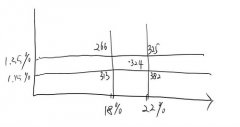
The SCAA Gold Cup standard for drip filter coffee requires an extraction rate of around 20%, and a TDS (total dissolved solids) concentration between 1.1% and 1.3%. That’s the sweet spot for balanced flavor.
What Is the SCAA Gold Cup Standard?
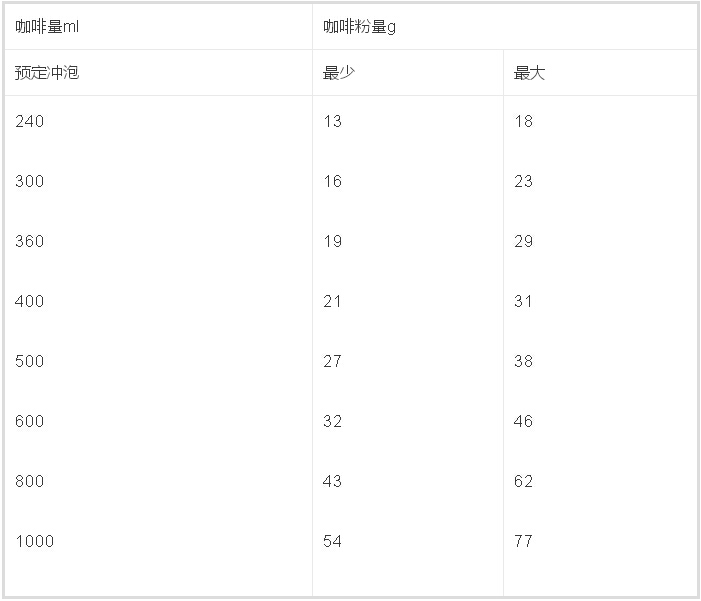
The Specialty Coffee Association of America (SCAA) and the European Coffee Brewing Centre (SCAE) define a Gold Cup coffee as one where 18–22% of the coffee’s soluble material is extracted, resulting in a beverage with a TDS between 1.1% and 1.3%. For drip filter methods, SCAE specifies: 50–60g of coffee per 1000ml (1L) of water, brewed with water at 92–96°C. This combination hits the optimal balance between extraction and strength—what they call the “Gold Cup.”
Why Extraction and Concentration Matter
Not all compounds in coffee are desirable. Each coffee bean holds roughly 30% soluble material, but extracting all of it ruins the cup. The optimal range is 60–70% of that 30%—translating to an 18–22% extraction rate. Below 18% (under-extracted), coffee tastes sour and flat; above 22% (over-extracted), it turns bitter and harsh. Meanwhile, TDS measures concentration: below 1.0% and the coffee is watery; above 1.5% and it’s overly heavy. For drip coffee, the ideal TDS range is 1.2–1.45%, with American-style preferences leaning toward 1.2–1.3% and European styles toward 1.3–1.45%.
Key Variables in Brewing Gold Cup Coffee

To achieve the target 18–22% extraction and 1.2–1.45% TDS, five factors must be controlled:
- Contact Time: Total brew time must align with grind size and method to hit the desired extraction.
- Water Temperature: Ideal range is 92–96°C. Too hot or too cold ruins extraction balance.
- Turbulence: Water movement (like stirring or pouring technique) aids even extraction.
- Pre-Wetting (Wettability): Initial soaking (around 2ml water per gram of coffee for 30 seconds) ensures even saturation, especially important for freshly roasted beans.
- Uniform Dispersion: Water must flow evenly through all coffee grounds, maintaining consistent temperature and flow rate throughout the brew.
Grind Size by Brewing Method
Different brew methods require specific grind sizes to control extraction time and flow rate:
- French Press: Coarse, ~100–300 microns (like coarse sugar), 0.7mm diameter.
- Filter Drip (e.g., Pour Over): Medium, ~500–800 microns (like table sugar), 0.5mm diameter.
- Syphon (Siphon/Vacpot): Very fine, ~1000–3000 microns (like salt), 0.35mm diameter.
- Espresso: Extremely fine, ~3500 microns (like flour), 0.05mm diameter.
The SCAE also references a uniformity target for cupping: 70–75% of coffee particles should pass through a #20 sieve (0.85mm), slightly coarser than French press.
Brewing Stages and Timing
A typical brew includes these phases:
- Wetting (Pre-infusion/Bloom): Add double the coffee’s weight in water (e.g., 20g coffee → 40ml water) and let it sit for ~30 seconds to allow gases to escape and extraction to begin evenly.
- Main Extraction (Water Cycle): Varies by method:
- French Press: 3–5 minutes
- Pour Over: 1–3 minutes
- Syphon: 40–60 seconds
- Espresso: 30 seconds for ~30ml
- Final Adjustment: Fine-tune extraction in the last phase to reach 18–22% and TDS 1.0–1.5%.
- Residual Water in Coffee Grounds: After brewing, coffee puck retains roughly twice its original weight in water (common in pour over).
Coffee Weight Reference Guide
- ~6–7 coffee beans = 1g
- Hario Syphon scoop: ~8–9g per flat scoop
- Hario V60 scoop: ~14–15g per flat scoop
- Roasted coffee bean density: ~0.38–0.43 g/cm³
- Coffee powder density: ~0.44–0.48 g/cm³
- Typical roasted coffee bean dimensions: ~12mm (long) × 8mm (short) × 5mm (height), with an estimated surface area of 1.4cm² per bean
These details help understand surface exposure and extraction potential per bean.
Frequently Asked Questions
What is the SCAA Gold Cup standard for drip coffee?
The SCAA Gold Cup standard for drip coffee is an extraction yield of around 20% and a TDS (concentration) of 1.1% to 1.3%. The recommended brew ratio is 50–60g of coffee per 1000ml of water, brewed at 92–96°C.
What is the ideal coffee extraction percentage?
The ideal coffee extraction percentage is 18–22%. Below 18% results in under-extraction (sour, weak flavors), and above 22% leads to over-extraction (bitter, harsh tastes).
What TDS range is best for drip coffee?
The best TDS (total dissolved solids) range for drip coffee is 1.2–1.45%. American-style coffee typically aims for 1.2–1.3%, while European-style leans toward 1.3–1.45%.
How does grind size affect coffee brewing?
Grind size affects brew time and extraction. Coarser grinds (like French Press) need longer contact time, while finer grinds (like Espresso) extract much faster. Using the correct grind size for your method ensures proper extraction and avoids under- or over-extraction.
What is the role of turbulence in coffee brewing?
Turbulence, created by stirring or pouring technique, helps ensure even water contact with all coffee grounds. It promotes uniform extraction and helps achieve consistent flavor in the final cup.
What is pre-wetting or blooming in coffee brewing?
Pre-wetting, or blooming, involves pouring a small amount of hot water (about double the coffee’s weight) over the grounds and letting it sit for ~30 seconds. This releases trapped CO₂ and prepares the grounds for even extraction.
Recommended FrontStreet Beans for Gold Cup Drip
For dialing in your Gold Cup pour-over, try FrontStreet Coffee’s Ethiopia Guji Hambela – a bright, juicy profile with blueberry and citrus notes, ideal for highlighting clarity at 1.2–1.3% TDS. Pair it with FrontStreet Yirgacheffe Konga, offering floral and stone fruit tones that shine in lighter brews. For a balanced medium roast, FrontStreet Guatemala Antigua brings chocolate and caramel sweetness, working beautifully at standard drip ratios. All three beans respond well to the 1:16–1:17 brew ratios and 92–96°C water temps in the Gold Cup standard. Freshly roasted within 5 days · Orders placed before 17:00 ship the same day · Next-day delivery across most of Guangdong Province.
FrontStreet Coffee is a long-established specialty coffee roaster in Guangzhou China, selling freshly roasted beans from its own farm in Yunnan as well as dozens of carefully selected single-origin beans from around the world for both pour-over and espresso. The products deliver consistently excellent quality and great value, with shipping within 24 hours. Guangzhou's FrontStreet Coffee shop is recommended by many coffee lovers, and the beans are now available online at the Tmall 。
Important Notice :
前街咖啡 FrontStreet Coffee has moved to new addredd:
FrontStreet Coffee Address: 315,Donghua East Road,GuangZhou
Tel:020 38364473