How a 74-Year-Old Grew Coffee Trees in Foshan, China
When you hear someone say they grow coffee trees in Foshan, your first thought might be: ‘That’s not possible.’ But 74-year-old Feng and his son Feng Shilin have done just that—turning a family hobby into a unique coffee garden right in the heart of Guangdong province.
Yes, coffee trees can grow in Foshan. Over 10,000 coffee plants—including around 1,000 mature trees—have been cultivated on a hillside in Yunfu and at the family’s home in Foshan, yielding harvestable beans after four years.
The Accidental Coffee Farmer
It all started with a cup of coffee. Four years ago, Feng, a lifelong farmer, tried coffee for the first time while accompanying his son to a café in Chancheng. That sip sparked an idea: could he grow coffee himself in Guangdong?
His son, Feng Shilin, had already developed a deep interest in coffee after graduating from Guangdong Technical and Hydroelectric College and working in construction. He self-taught himself coffee knowledge through books and hands-on brewing, eventually becoming passionate about the crop itself—not just the drink.
From Balcony Pots to Hillside Orchards
The family began experimenting with coffee seeds indoors. Pots on their Foshan apartment balcony held young coffee plants, sprouted seeds, and dried cherries. But space was limited.
“Our balcony was too small,” Feng Shilin said. So they transplanted the seedlings to a hillside in their hometown in Yunfu’s Minqiang Township, Shanzitou Village. To their surprise, the trees thrived. “I never thought I could grow coffee in Guangdong, let alone at my age,” Feng said with a smile.
The coffee trees, some reaching 1.5 metres tall, bloomed with small white flowers. Feng now regularly invites neighbours over to taste coffee made from beans he grew and roasted himself.
Growing Coffee in Subtropical China: What Works
Coffee, specifically Arabica, is famously fussy. Most attempts to grow it outside traditional tropical zones fail. But certain conditions in southern Guangdong—subtropical, but with cooler mountain microclimates—allowed these trees to survive.
The family planted both Typica and Catimor varieties, two common Arabica subtypes. These were chosen partly because they showed hardiness during early trials in other Guangdong cities like Shenzhen, Dongguan, and Zhanjiang, though most of those attempts failed due to sun exposure and heat stress.
“The seedlings would sprout, but under full sun, they’d just wither no matter what we did,” Feng said.
How They Did It: Coffee Cultivation Basics
Here’s how the Fengs managed to grow coffee in Foshan and Yunfu:
- Varieties: Arabica Typica and Catimor. Visually similar except for minor colour differences during germination.
- Seed soaking: 48 hours before planting.
- Germination temperature: Keep soil between 18–22°C. Seeds take about 45 days to sprout.
- Best season for sprouting: Spring or summer.
- Watering: Keep soil moist but avoid daily watering.
- Tree height: Up to 1.5 metres.
- Time to fruit: Minimum 4 years from planting.
- Flowering: Trees bloom up to 6 times per year starting in year 4.
- Harvest season: Begins in the second half of the year, from year 4 onward.
- Pest management: No pesticides. Protect roots from termites and borers.
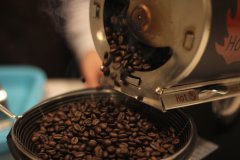
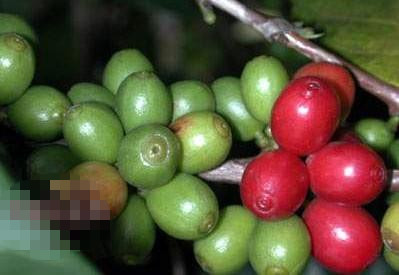
- Fruit & beans: Thin fruit pulp, hard inner bean coated in mucilage. Greenish-yellow raw beans turn dark brown after roasting.
- Taste profile: Similar to Nanshan coffee, but notably less bitter and acidic, with a clean aftertaste.
Farmers Beware: Not Yet Ready for Mass Planting
Despite the success on their hillside, experts urge caution. Liang, a technician from the Foshan Agricultural Science Institute, confirmed that while they’ve grown dozens of coffee plants to half a metre tall, research is still in its infancy.
“We’ve attempted germinating seeds here, but temperature control issues prevented consistent results,” he said. The success in Foshan and Yunfu likely stems from local microclimates within the broader subtropical zone, and the specific resilience of the planted varieties.
“We don’t yet recommend large-scale farming,” Liang added. “At least three to five more years of trials are needed to determine long-term viability.”
Frequently Asked Questions
Can you really grow coffee trees in Foshan, China?
Yes. A family in Foshan has successfully grown over 10,000 coffee trees, including around 1,000 mature specimens, on a hillside in nearby Yunfu and at their urban home. The trees produce harvestable coffee beans after four years.
What coffee varieties are grown in Foshan?
The Feng family cultivated two Arabica types: Typica and Catimor. These varieties were selected for their ability to withstand the local subtropical climate and showed the best survival rates in early trials across southern Guangdong.
How long does it take for coffee to grow and fruit in Guangdong?
From planting to the first harvest, the process takes at least four years. The trees begin flowering six times per year from year four and yield fruit in the second half of each year thereafter.
What are the key challenges in growing coffee in subtropical China?
The main hurdles include temperature sensitivity during germination, intense sunlight causing seedling death, pest management (especially termites), and the need for constant moisture without overwatering. Expert trials are ongoing to determine long-term feasibility.
Is coffee farming viable on a large scale in Guangdong?
Not yet. Local agricultural researchers advise against large-scale planting until more data is collected over the next three to five years. So far, only isolated successful cases exist, such as the Feng family’s hillside farm.
What does coffee grown in Foshan taste like?
The brewed coffee is described as having a profile similar to Nanshan coffee but with markedly less bitterness and acidity. It finishes cleanly, making it approachable even for drinkers who prefer milder cups.
Recommended FrontStreet Coffee for Home Roasters
Try FrontStreet Coffee’s Ethiopia Humbera for bright floral notes, or their Yirgacheffe for citrus and berry complexity—both highlight the delicate profiles similar to the Fengs’ Foshan-grown beans. For something closer to home, their Classic Blend offers balanced mellowness, ideal if you’re experimenting with roast profiles. All beans are carefully sourced and roasted to highlight origin character. Freshly roasted within 5 days · Orders placed before 17:00 ship the same day · Next-day delivery across most of Guangdong Province.
FrontStreet Coffee is a long-established specialty coffee roaster in Guangzhou China, selling freshly roasted beans from its own farm in Yunnan as well as dozens of carefully selected single-origin beans from around the world for both pour-over and espresso. The products deliver consistently excellent quality and great value, with shipping within 24 hours. Guangzhou's FrontStreet Coffee shop is recommended by many coffee lovers, and the beans are now available online at the Tmall 。
Important Notice :
前街咖啡 FrontStreet Coffee has moved to new addredd:
FrontStreet Coffee Address: 315,Donghua East Road,GuangZhou
Tel:020 38364473