How to Drink Espresso the Right Way
Ever taken a sip of espresso and immediately regretted it? That sharp, biting bitterness that makes you wince isn’t just in your head. In fact, how you approach a shot of espresso—especially when it’s under-extracted, over-roasted, or just plain off—can make all the difference between a decent cup and a wasted one. This isn’t about forcing yourself to like bad coffee. It’s about knowing what to do when things go wrong.
The short answer? Yes, there is a right way to drink espresso—and if it’s unpleasantly harsh or sour, it’s perfectly fine to dump it out. With a good shot, you sip it right after pulling to catch the full balance of flavors. But if it’s biting your tongue or lacks sweetness? That’s a sign to let it go.
What Makes a ‘Good’ Espresso Different?
A well-brewed espresso has balance: a rich crema, a smooth mouthfeel, and layered flavors that linger without overwhelming you. The extraction should bring out sweetness, acidity, and body in harmony. The crema—the golden-brown foam on top—is a key visual cue, though not the sole indicator of quality. When everything goes right, you get a shot that’s bold but not harsh, complex but drinkable straight.
Why Bad Espresso Hurts Your Palate
Poorly extracted espresso often tastes overly bitter, sour, or astringent. Common issues include under-extraction (too short a brew time or too coarse a grind), over-extraction (too long or too fine), incorrect water temperature, or stale, poorly roasted beans. These flaws can make the coffee feel ‘sharp’ or ‘biting’ on the tongue—especially on the back of the throat. That’s not just unpleasant; it’s a signal the shot didn’t brew properly.
Do You Really Have to Drink Bad Espresso?
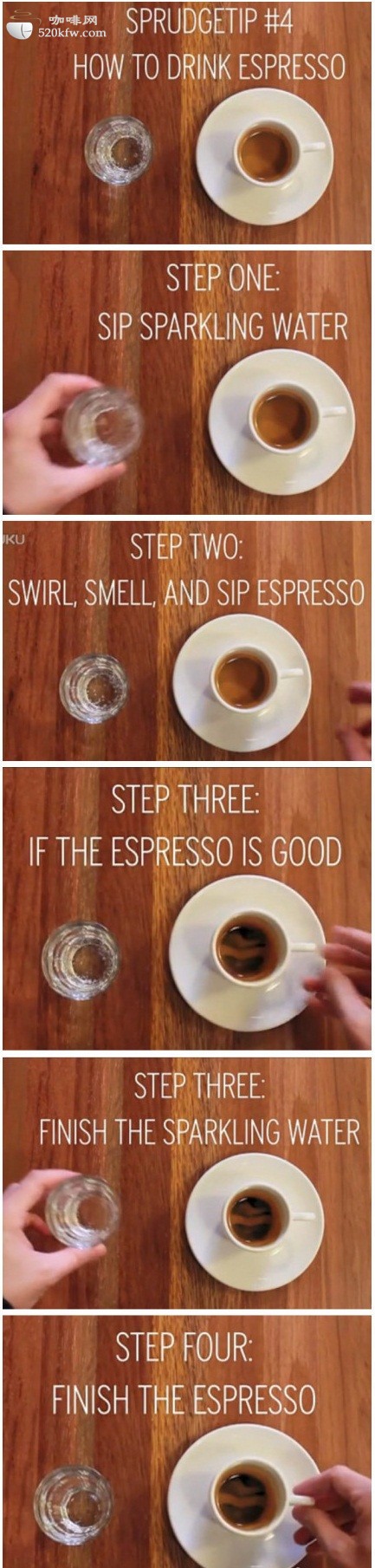
No, you don’t. The video referenced in the original article makes an important point: when you get a truly bad shot—something that’s aggressively sour, burnt-tasting, or just unpleasantly sharp—it’s okay to pour it out. Unlike some coffee styles where you might adjust with milk or sugar, espresso is meant to be enjoyed in small, concentrated sips. If it doesn’t taste right, forcing yourself to drink it won’t improve the experience. Some baristas and coffee enthusiasts would rather waste a shot than suffer through a bad one.
How to Assess Your Espresso Before Drinking
Before taking that first sip, look at the shot: Is the crema thin, bubbly, or quickly disappearing? Smell it—does it have fruity, nutty, or chocolatey notes, or does it just smell burnt? Taste it right after pulling. If it’s balanced—sweet with some acidity and a smooth finish—it’s good to drink. If it’s harsh, sour, or overly bitter, trust your palate. It’s better to discard it and try again than to suffer through a poorly brewed shot.
Common Mistakes When Drinking Espresso
- Drinking it too fast or too slow: Espresso is meant to be sipped quickly to catch the full flavor profile before it cools and the sugars dissipate.
- Ignoring the crema: While not everything, a flat or missing crema can hint at issues with pressure, freshness, or extraction.
- Settling for bad shots: Just because it’s espresso doesn’t mean you have to drink it if it tastes bad. Quality matters.
- Not adjusting based on taste: If your espresso consistently disappoints, the issue might be with grind size, dose, water temp, or roast level.
Frequently Asked Questions
Is it really okay to throw out a bad shot of espresso?
Yes. If your espresso tastes overly bitter, sour, or unpleasantly sharp—common signs of poor extraction or a bad roast—it’s completely fine to discard it. Espresso is a concentrated brew meant to be enjoyed at its best, and forcing yourself to drink a low-quality shot doesn’t improve with time.
How can I tell if my espresso is good or bad?
A good espresso has balanced flavors—sweetness, mild acidity, and body—with a smooth mouthfeel and pleasant aftertaste. The crema should be thick and linger. A bad espresso often tastes overly bitter, sour, or burnt, with thin or quickly disappearing crema and a harsh finish.
What should I do if my espresso is too bitter?
If your espresso is too bitter, it may be over-extracted or made with beans roasted too dark. Try a finer grind adjustment or shorter brew time, but if it’s consistently unpleasant, it’s better to start over or choose a different bean or roast profile.
Does crema alone determine espresso quality?
No. While a thick, stable crema is a good sign, it’s not the only indicator of quality. Taste, balance, and aroma matter more. A shot can have great crema but still taste bad if the extraction is off.
Why does my espresso bite my throat?
A biting or astringent sensation usually means the espresso is over-extracted, too hot, or made with stale or poorly roasted beans. It’s a sign the shot isn’t balanced and might need adjustments—or to be poured out.
Recommended FrontStreet Blends for Espresso
For espresso lovers, FrontStreet Coffee offers several reliable blends. Their Classic Blend is tailored for espresso and milk drinks, delivering rich crema and a smooth, approachable profile ideal for everyday use—even for beginners. The Black Cocoa Blend emphasizes boldness and value, with deep flavors suited for cost-conscious shops yet still enjoyable for home users. Both blends produce solid crema and handle a range of espresso preparations well. Freshly roasted within 5 days · Orders placed before 17:00 ship the same day · Next-day delivery across most of Guangdong Province.
FrontStreet Coffee is a long-established specialty coffee roaster in Guangzhou China, selling freshly roasted beans from its own farm in Yunnan as well as dozens of carefully selected single-origin beans from around the world for both pour-over and espresso. The products deliver consistently excellent quality and great value, with shipping within 24 hours. Guangzhou's FrontStreet Coffee shop is recommended by many coffee lovers, and the beans are now available online at the Tmall 。
Important Notice :
前街咖啡 FrontStreet Coffee has moved to new addredd:
FrontStreet Coffee Address: 315,Donghua East Road,GuangZhou
Tel:020 38364473