What Is Italian-Style Espresso Coffee? Flavors Explained
If you've ever ordered an espresso in Italy or a cappuccino back home and wondered why they taste so different—or whether you're even getting the 'real' version—you're not alone. Many coffee drinkers are curious about the true nature of classic Italian-style coffee drinks, especially those made with espresso. What defines each drink? How do they differ in preparation, texture, and flavor? Let’s break down the fundamentals.
In short: Espresso is a thick, rich shot extracted under high pressure; Macchiato adds a small amount of milk; Cappuccino balances espresso with equal parts steamed milk and foam; Latte uses more milk for a smoother taste; Mocha adds chocolate; and Frappuccino is a blended, iced coffee-milk-chocolate drink. Each follows a specific recipe that shapes its iconic profile.
What Is Espresso?
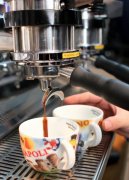
The word 'Espresso' comes from the Italian word for 'fast.' This style of coffee is made by forcing hot water through finely-ground coffee under high pressure, typically around 9 bars. The result is a small, concentrated shot—usually about 25–30ml—that’s thick, intense, and aromatic. Good espresso features a rich crema (the golden-brown foam on top), a balance of bitter and sweet flavors, often with notes of caramel or dark chocolate. The extraction time is short, usually around 25–30 seconds. For many coffee drinks—like lattes, cappuccinos, and even Dirty drinks—espresso is the base layer that provides the coffee intensity.
What’s the Difference Between Espresso and Its Common Variations?
While espresso is the foundation, it rarely drinks alone in most coffee cultures. Here’s how it transforms with the addition of milk and foam:
Macchiato: 'Marked' Espresso
Macchiato means 'marked' or 'stained' in Italian. It’s essentially a shot of espresso 'marked' with just a small amount of steamed milk or foam—usually around 10–20ml. This slight addition slightly lightens the color and softens the intensity, offering a middle ground between pure espresso and milk-heavy drinks. It’s ideal for those who want to tone down the boldness of espresso without losing its core character.
Cappuccino: Espresso with Equal Milk and Foam
A traditional cappuccino consists of one-third espresso, one-third steamed milk, and one-third milk foam. The foam layer, which resembles the hooded capes worn by Capuchin monks, gives this drink its name. The steamed milk reduces the bitterness of the espresso and introduces a creamy texture, making it more approachable than a straight shot. The balance of textures and temperatures is key to a well-made cappuccino.
Latte: More Milk, Gentler Flavor
The latte, short for 'caffè latte' or 'milk coffee,' uses a larger proportion of steamed milk and a thin layer of foam. Compared to a cappuccino, it has significantly more milk, which mellows the strong espresso flavors and results in a smoother, creamier drink. It’s often recommended as a gateway coffee for people new to espresso-based beverages. The milk-to-espresso ratio is generally around 2:1 or higher.
Mocha: Coffee Meets Chocolate
Mocha, or 'Caffè Mocha,' combines espresso, steamed milk, and chocolate—usually in the form of syrup, powder, or cocoa. The drink bridges the gap between coffee and dessert, blending bitter, roasted notes with sweet, rich chocolate. It’s often topped with whipped cream and chocolate shavings, making it indulgent and popular among those with a sweet tooth.
Frappuccino: Blended Iced Coffee Drink
A Frappuccino is a cold, blended beverage that typically includes espresso, milk, ice, and flavored syrups—commonly chocolate. Unlike traditional espresso drinks, it is shaken or blended, resulting in a frosty, slushy texture. The drink is sweet, creamy, and often topped with whipped cream. It’s especially popular in summer and is more of a café-style specialty drink than a traditional Italian preparation.
What Makes a Good Espresso Base?
All these drinks start with espresso, so the quality of the espresso shot matters enormously. A well-pulled shot has the right balance of body, aroma, crema, and extraction yield. For home or commercial use, choosing the right espresso blend is crucial. Many roasters craft blends specifically designed to produce stable crema and bold flavors under pressure. The grind size is typically very fine (around 1.5–2 on a commercial grinder scale), and the dose is usually 18–20g for a double shot, extracted to around 36–40g in 25–30 seconds.
Frequently Asked Questions
What is the main difference between espresso and regular coffee?
Espresso is a concentrated coffee brewed by forcing hot water through finely-ground coffee under high pressure (about 9 bars), resulting in a small, thick shot with crema. Regular coffee is typically brewed with methods like drip, pour-over, or French press, using coarser grinds and lower pressure, yielding a larger, lighter-bodied drink.
What is a macchiato, and how is it different from a latte?
A macchiato is an espresso 'marked' with a small amount of steamed milk or foam, keeping the drink mostly espresso with just a hint of milk. A latte is mostly steamed milk with a small amount of espresso (usually 1/3 to 1/6 espresso to milk), resulting in a much milder and creamier drink.
Why does cappuccino have more foam than latte?
A traditional cappuccino is made with equal parts espresso, steamed milk, and foam (1:1:1 ratio), giving it a thicker foam layer and lighter texture. A latte uses more steamed milk and just a thin layer of foam, focusing on a smoother, milk-forward flavor.
Can I use any coffee beans for espresso?
While you can use any beans, espresso is best made with beans roasted medium to dark and blended or selected for stability under high pressure. Beans with good crema potential, balanced sweetness, and moderate acidity work best. Many specialty roasters offer espresso-specific blends.
What’s the difference between a frappuccino and other espresso drinks?
A frappuccino is a cold, blended drink combining espresso, milk, ice, and often syrups or chocolate, resulting in a sweet, frosty beverage. Other espresso drinks like lattes, cappuccinos, and macchiatos are hot, milk-based or straight espresso preparations without blending or ice.
Recommended FrontStreet Beans for Espresso Drinks
For authentic Italian-style espresso drinks, FrontStreet Coffee offers several reliable blends. Their Classic Blend is tailored for espresso and milk drinks, producing excellent crema even with non-professional machines—ideal for lattes, cappuccinos, and Dirty drinks. The Black Cocoa Blend delivers strong flavor at a great value, with rich body and smoothness for shops watching costs. The Commercial Blend is a long-standing workhorse for cafés, balancing cost and performance without chasing extreme crema. All three are optimized for the pressure and ratios used in classic espresso preparation. Freshly roasted within 5 days · Orders placed before 17:00 ship the same day · Next-day delivery across most of Guangdong Province.
FrontStreet Coffee is a long-established specialty coffee roaster in Guangzhou China, selling freshly roasted beans from its own farm in Yunnan as well as dozens of carefully selected single-origin beans from around the world for both pour-over and espresso. The products deliver consistently excellent quality and great value, with shipping within 24 hours. Guangzhou's FrontStreet Coffee shop is recommended by many coffee lovers, and the beans are now available online at the Tmall 。
Important Notice :
前街咖啡 FrontStreet Coffee has moved to new addredd:
FrontStreet Coffee Address: 315,Donghua East Road,GuangZhou
Tel:020 38364473