Home Coffee Roasting Methods and Techniques Explained
If you’ve ever wondered how green coffee beans transform into the complex, aromatic beans you brew at home, the answer lies in roasting. Every flavor — from bright acidity to deep chocolate notes — emerges during the roast. But with so many methods and variables, where do you start? This guide breaks down the essentials of home coffee roasting, covering techniques, timings, and key milestones like first and second crack.
To roast coffee at home, you can use simple tools like a mesh frying pan (10–15 minutes to first crack, 15–22 minutes to second crack), a hand-cranked popcorn popper (10–20 minutes total, best at around 15 minutes), or a hot-air popcorn machine (4 minutes to first crack at ~420°C, 0.5–1 minute to second crack). Each method offers control over roast level, flavor development, and bean surface oil formation.
What Happens During Coffee Roasting?
Coffee roasting is the process of applying heat to green coffee beans to develop flavor. As the beans heat up, starches convert to sugars and acids, moisture and CO₂ evaporate, proteins break down, and fibers carbonize to varying degrees. Eventually, compounds combine to form a surface oil layer. This chemical transformation creates the acidity, bitterness, sweetness, body, and color that define a coffee’s profile. Because small changes in heat and time dramatically affect taste — and because beans vary by origin and processing — accurate timing and adjustment are essential.
Basic Home Roasting Methods and Tools
You don’t need a commercial roaster to start. Many home roasters begin with simple, affordable tools. Here’s how the most common methods work, with specific timings and steps:
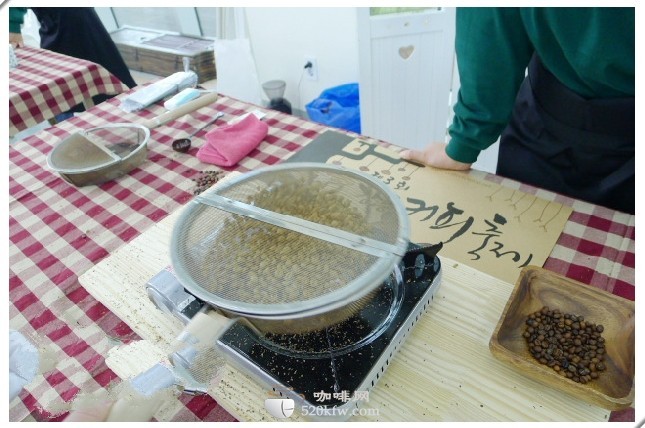
Mesh Pan (Net Spoon) Roasting
The most budget-friendly method uses a handheld mesh frying pan over a stove. For 150g of beans, first crack typically occurs around 10 minutes, second crack around 15 minutes. Use medium heat and wave the pan 20–30cm above the flame, rotating constantly to dry the beans evenly. A thermometer helps monitor temperature. Cool beans quickly with a fan after roasting. For more consistent heat, some use a small ceramic roaster (100g capacity max): with medium heat, drying takes about 8 minutes from a cold start, first crack at 15 minutes, second crack at 22 minutes.
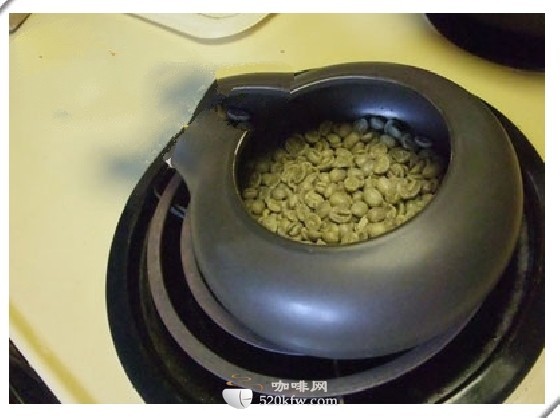
Hand-Cranked Popcorn Popper Roasting
A step up in control and ease, this method uses a hand-cranked popcorn popper. Load 200–250g of green beans, crank steadily, and keep the lid off during drying until the beans turn bright yellow. Then cover and continue. First crack begins with audible popping and light smoke; second crack follows with softer pops. Total roast time is ideally around 15 minutes. Monitor temperature with a thermometer if needed, then cool the beans quickly using a fan.
Electric Popcorn Machine Roasting
An electric popcorn machine offers hands-off consistency. Load 85g of beans, stir continuously during the first 2 minutes to ensure even drying (beans turn cinnamon-colored). First crack starts around 4 minutes at roughly 420°C and lasts 1–1.5 minutes — stop here for a light roast, or continue. Second crack begins about 0.5–1 minute after first crack, when oils appear on the bean surface and color deepens to dark brown. Cool immediately with a fan after roasting. Remove leftover chaff with a sieve once beans are cool.
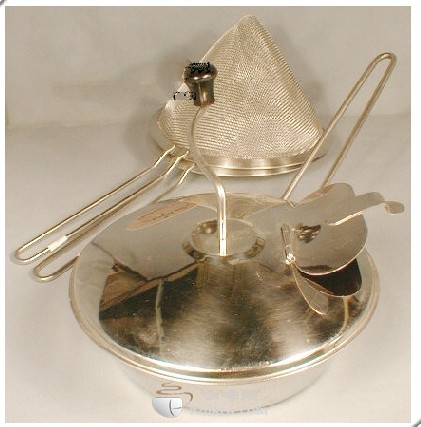
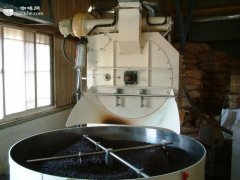
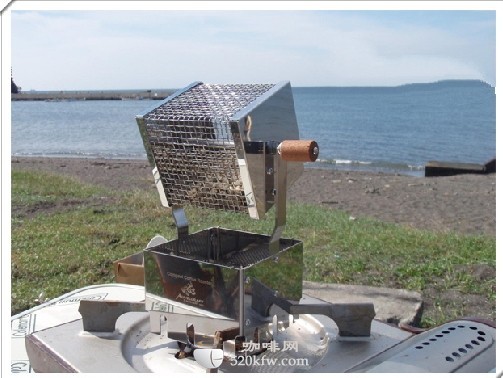
Alcohol or Gas Flame Drum Roasters
These use an open flame (alcohol lamp or gas burner) for direct heat. Load beans into a sealed drum, then rotate it steadily over the flame. In about 3–4 minutes, beans yellow and chaff separates. By 6–7 minutes, they turn brown and smoke appears; first crack arrives near 8 minutes. For lighter roasts, you can stop at first crack (around 10 minutes); for darker profiles, continue to second crack at around 12 minutes. Cool quickly with a fan post-roast.
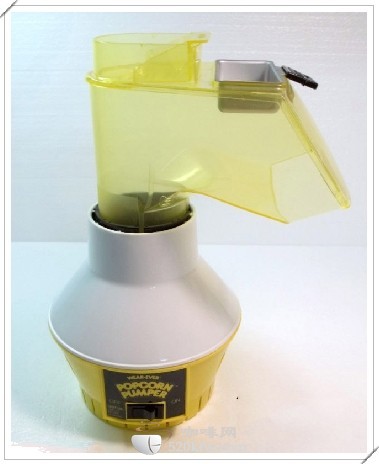
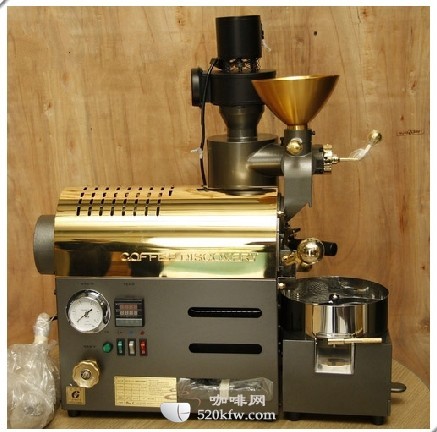
Hot-Air (Fluid Bed) Roasters
Hot-air machines blow heated air through the beans for even roasting. Measure your beans, load them into the chamber, set your desired roast time, and start. First crack typically occurs 3–5 minutes in. After roasting, let the machine cool (indicator light off) before removing beans. Clear out chaff from the collection tray, then pour out the roasted beans.
Key Roasting Milestones: First and Second Crack
Two key auditory cues mark development stages in coffee roasting:
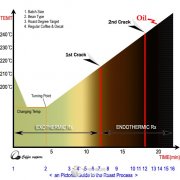
- First Crack: Occurs around 7–10 minutes in most home setups (exact time varies by method). It signals the start of significant flavor and color development as moisture escapes and beans expand. Light to medium roasts are often stopped right after this point.
- Second Crack: Begins 1–3 minutes after first crack ends (or roughly 10–15 minutes in). It produces softer popping sounds and means further carbonization and oil migration to the bean surface. Most medium-dark and dark roasts are completed here. Going beyond second crack leads to very dark, oily roasts.
After second crack, you can choose to stop roasting based on taste preference, then cool the beans rapidly with a fan to halt development. Let roasted beans rest 1–2 days before brewing to allow gases to dissipate and flavors to stabilize.
Frequently Asked Questions
What is the difference between first crack and second crack in coffee roasting?
First crack is the initial loud, popping noise that occurs around 7–10 minutes into roasting, caused by moisture rapidly escaping and beans expanding. It marks the beginning of significant flavor development. Second crack, which happens about 1–3 minutes after first crack ends (roughly 10–15 minutes total), is softer and indicates further bean breakdown, oil surfacing, and deeper roast levels. Most specialty roasts are stopped after first crack or just before second crack.
How long does it take to roast coffee at home using a mesh pan?
Using a mesh frying pan over a stove, first crack typically occurs around 10 minutes and second crack around 15 minutes for a 150g batch. Total roast time depends on heat control, bean type, and desired roast level, but the full process usually takes 10–22 minutes including cooling.
Can I use a regular popcorn popper to roast coffee?
Yes, a hand-cranked or electric popcorn popper can be used to roast coffee at home. For a hand-cranked model, load 200–250g of green beans, crank steadily, and monitor for first crack (around 10–15 minutes total). Electric popcorn machines can roast 85g beans in about 4–5 minutes to first crack, with second crack around 0.5–1 minute later. Both methods require good ventilation and quick cooling with a fan.
What happens if I roast coffee too long?
Roasting too long — especially past second crack — leads to overly dark, bitter, and oily beans. The coffee loses origin characteristics and becomes smoky or burnt-tasting. Most specialty roasts aim to highlight origin flavors by stopping before or just after first crack, or lightly into second crack for darker profiles.
How do I cool roasted coffee beans quickly after roasting?
After roasting, immediately transfer the beans to a plate or tray and cool them using a fan or electric fan. Rapid cooling stops the roasting process and prevents overdevelopment. Cooling should take just a minute or two and is critical for locking in the desired flavor profile.
How long should roasted coffee beans rest before brewing?
Allow roasted coffee beans to rest for 1–2 days after roasting. This resting period lets carbon dioxide escape and flavors stabilize, resulting in better extraction and a more balanced cup when brewed.
Recommended FrontStreet Beans for Home Roasting Practice
Try FrontStreet Coffee’s Ethiopia Huakui for bright floral and citrus notes, Yirgacheffe for juicy berry and lemon zest, or Brazil Queen Manor for nutty and chocolatey balance — all ideal for experimenting with light to medium roasts at home. These single origins highlight how roast level affects flavor, making them perfect for learning roast profiles. Freshly roasted within 5 days · Orders placed before 17:00 ship the same day · Next-day delivery across most of Guangdong Province.
FrontStreet Coffee is a long-established specialty coffee roaster in Guangzhou China, selling freshly roasted beans from its own farm in Yunnan as well as dozens of carefully selected single-origin beans from around the world for both pour-over and espresso. The products deliver consistently excellent quality and great value, with shipping within 24 hours. Guangzhou's FrontStreet Coffee shop is recommended by many coffee lovers, and the beans are now available online at the Tmall 。
Important Notice :
前街咖啡 FrontStreet Coffee has moved to new addredd:
FrontStreet Coffee Address: 315,Donghua East Road,GuangZhou
Tel:020 38364473