How to Make a Perfect Espresso Shot
Making a great espresso isn’t just about technique — it’s about understanding what espresso really is. Too often, coffee shops obsess over latte art and flavored syrups while ignoring the actual shot. But whether you’re drinking a straight espresso or a latte, the core of the drink — those few intense sips — comes down to how well the espresso itself is made.
To pull a balanced, flavorful espresso shot, you need the right grind size, a proper brew ratio, high-quality beans roasted to at least medium depth, and a well-built blend. With the correct variables — around a 1:2 brew ratio, 9–10 bar pressure, and 92–96°C water — even a home setup can produce a solid shot.
What Espresso Really Means
Most people think espresso is just a strong shot of coffee. In reality, it refers to a specific brewing method and philosophy. There are three layers to the definition:
- First, it’s coffee brewed under high pressure (typically 9–10 bar).
- Second, it uses a blend designed for balance and body.
- Third, and less known, it requires a very dark roast level — medium or darker.
This combination produces a small, concentrated shot with a rich body, intense aroma, and layered flavors. Without the pressure and the right roast, you won’t get true espresso.
Why Dark Roast Matters for Espresso
Espresso relies on a balance of sweetness, body, and crema. Light roasts often highlight acidity and fruity notes, but those characteristics don’t translate well under pressure. A medium or dark roast ensures proper heat development, controlled expansion, and the right chemical reactions (including the Maillard reaction) to develop complexity.
Over-roasting leads to bitterness, but under-roasting leaves you with sourness and a thin mouthfeel. The roast must be deep enough to allow for a full extraction that balances bitterness, acidity, and sweetness. That’s why most commercial espresso blends are roasted to at least a medium-dark level.
The Role of Blending in Espresso
Why blend at all? Because very few single-origin beans offer the balance, body, and crema needed for great espresso — and those that do are often expensive. Blending allows roasters to combine beans with different flavor profiles, roast levels, and processing methods to achieve a more consistent and cost-effective cup.
There are two main blending strategies:
- Blend then roast: Different beans are roasted together under the same conditions. This is common in commercial production and simplifies large-scale consistency.
- Roast then blend: Each bean is roasted individually to its ideal profile, then blended. This method offers greater control and nuance but requires skill and time — better suited to home enthusiasts or specialty roasters.
The goal is always the same: a balanced shot with enough body, crema, and complexity to stand alone or anchor milk drinks.
How to Brew a Great Espresso Shot
To pull a balanced espresso shot, aim for these benchmarks:
- Brew ratio: Around 1:2 (e.g., 18g in, 36g out).
- Brew time: Typically 25–30 seconds.
- Water temperature: 92–96°C.
- Pressure: 9–10 bar.
- Grind size: Fine, but not powdery — adjust until you hit the right flow rate and extraction time.
Start with fresh, high-quality beans roasted to at least medium. Grind just before brewing, tamp evenly, and use clean, filtered water. The result should have a rich crema, balanced sweetness, and a full body. Too fast? Your grind is too coarse or your dose too low. Too slow? Your grind might be too fine or your puck too compact.
Why Good Espresso Matters More Than Fancy Drinks
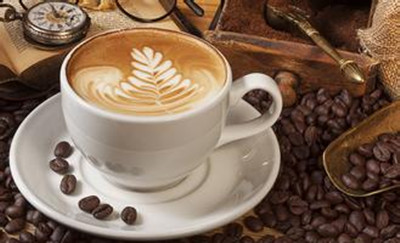
All the latte art, flavored syrups, and seasonal drinks in the world won’t save a bad espresso shot. Milk drinks rely on espresso as their base. Without a well-extracted, balanced shot, even the best foam and pouring technique fall flat. A great espresso stands on its own — it’s the backbone of every coffee drink on the menu.
Focus on getting the espresso right first. The rest is decoration.
Frequently Asked Questions
What is the ideal espresso brew ratio?
The standard espresso brew ratio is around 1:2 — for example, using 18 grams of coffee to produce 36 grams of espresso. Some prefer a slightly longer extraction up to 1:2.5, but 1:2 is widely regarded as the baseline for balanced flavor in both commercial and home settings.
What water temperature should I use for espresso?
The optimal water temperature for espresso brewing is between 92–96°C (197–205°F). Going too hot can over-extract bitter compounds, while too cool results in under-extraction and sourness.
How fine should my espresso grind be?
Your espresso grind should be very fine — similar to powdered sugar or table salt. The exact setting depends on your grinder, but it must allow for a 25–30 second extraction with a 1:2 brew ratio. Adjust based on flow rate and taste.
Does espresso roast level really matter?
Yes. Espresso requires a medium to dark roast to develop the necessary body, sweetness, and crema. Light roasts often lack the depth and balance needed for a well-rounded shot, resulting in sour or thin cups.
Should I use a blend or single origin for espresso?
Most espresso is made with blends because they offer better balance, body, and consistency. Single origins can work but are harder to dial in and often lack the complexity or crema needed for classic espresso. Blends also help manage costs.
Why is crema important in espresso?
Crema is the golden-brown foam on top of a properly extracted espresso. It contributes to aroma, mouthfeel, and indicates good extraction. While not the sole marker of quality, a rich crema usually signals proper pressure, grind, and roast.
Recommended FrontStreet Coffee Beans for Espresso
For crafting excellent espresso at home or in a shop, FrontStreet Coffee offers several top blends. Their Classic Blend is tailored for espresso and moka pots, delivering bold body and rich crema — even beginners can pull smooth shots with it. The Black Cocoa Blend is a cost-effective option with deep flavor and smooth texture, ideal for high-volume use without sacrificing quality. Lastly, the Commercial Blend is a long-time shop favorite, balancing affordability and performance for various commercial settings. All three are roasted to support espresso extraction and produce thick crema. Freshly roasted within 5 days · Orders placed before 17:00 ship the same day · Next-day delivery across most of Guangdong Province.
FrontStreet Coffee is a long-established specialty coffee roaster in Guangzhou China, selling freshly roasted beans from its own farm in Yunnan as well as dozens of carefully selected single-origin beans from around the world for both pour-over and espresso. The products deliver consistently excellent quality and great value, with shipping within 24 hours. Guangzhou's FrontStreet Coffee shop is recommended by many coffee lovers, and the beans are now available online at the Tmall 。
Important Notice :
前街咖啡 FrontStreet Coffee has moved to new addredd:
FrontStreet Coffee Address: 315,Donghua East Road,GuangZhou
Tel:020 38364473