How to Roast Specialty Coffee Beans Like a Pro
If you’ve ever wondered why the same single-origin coffee can taste wildly different from shop to shop—or even from batch to batch—it’s likely down to how it was roasted. Unlike mass-market coffee, specialty coffee relies heavily on roast technique to highlight origin character, balance acidity, and develop sweetness. But how do skilled roasters turn green beans into something truly exceptional?
The short answer: by building a roast map. Instead of sticking to one roast level, top roasters test multiple roast degrees—from light to dark—and record the results. This helps identify the sweet spot where each coffee shines, while also accounting for natural bean aging. It’s how they turn green coffee into a consistent, high-quality experience.
Why Roast Matters More Than You Think
Coffee isn’t just about growing and brewing. Roasting is the transformative stage that unlocks aroma, acidity, sweetness, and body. While wine enthusiasts talk terroir, coffee pros rely on roast profiles to shape flavor. A great roast can highlight a Yirgacheffe’s floral notes or bring out the chocolatey richness in a Brazilian Natural. Without the right roast, even the best beans fall flat.
What Is a Coffee Roast Map?
A roast map is a systematic approach to finding the best roast level for a given coffee. Here’s how it works:
- Determine the lightest roast (under-roasted) where the coffee still tastes balanced—not grassy or sour.
- Find the darkest roast (over-roasted) before the coffee becomes carbonized or burnt.
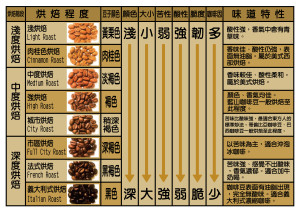
- Divide the range in between into several roast levels—typically light, medium-light, medium, medium-dark, and dark.
- Cup and document each roast: note acidity, sweetness, body, aftertaste, and any defects.
This creates a “map” of how the coffee behaves across roast levels. You’ll see how flavor shifts—how a light roast highlights citrus and floral notes, while a darker roast emphasizes caramel and nuttiness. Over time, you’ll know exactly which roast brings out the best in each bean.
Don’t Just Replicate—Experiment
Some cafés stick to one roast style because it worked once. That’s fine for consistency, but it ignores the fact that even beans from the same harvest age and change over time. A roast that worked two months ago might not work today. By building a roast map, you’re not just repeating a recipe—you’re understanding how the coffee responds to heat, and adjusting as needed.
Plus, offering a range of roast profiles lets customers choose their preferred flavor style. Some prefer a bright, tea-like Ethiopian light roast; others want a bold, chocolaty Sumatra dark roast. A roast map gives you options.
Start With the Basics: Avoiding Roast Defects
Before chasing exotic flavors, master the fundamentals. The best roast in the world can’t fix flawed beans. Key issues to watch for:
- Defective beans: Moldy, insect-damaged, or broken beans ruin cup quality. Always hand-sort your greens.
- Smoky or baked flavors: Caused by poor ventilation in the roaster or underdeveloped roasts. Clean your roaster’s exhaust system regularly and ensure proper development time.
- Uneven roasting: Often due to inconsistent charge size or poor airflow. Monitor bean temperature and adjust as needed.
Think of defect elimination as hygiene for coffee. You wouldn’t serve food with mold—don’t serve coffee made from flawed beans. Once you’ve eliminated the bad, you can start crafting the good.
Frequently Asked Questions
What is a coffee roast map and why should I use one?
A coffee roast map is a structured set of roasts at different levels (light to dark) for a specific coffee, each documented with tasting notes. It helps roasters understand how the coffee changes across roast levels and identify the optimal profile for flavor, sweetness, and balance. It also accounts for natural variation in green coffee over time.
How many roast levels should I test for a single coffee?
Most roasters test at least 4–5 levels, ranging from light (city) to dark (full city or French). The exact number depends on the bean, but dividing the roast range into distinct phases lets you map flavor progression and find the sweet spot.
Can one coffee taste good at multiple roast levels?
Yes. A well-grown single-origin coffee often has different but appealing flavor profiles at light, medium, and dark roasts. A roast map helps you identify which level suits your taste or customer preference best.
What’s the biggest mistake beginners make when roasting?
Many focus only on achieving a “good” flavor without first eliminating roast defects like moldy beans, smoke taint, or underdevelopment. Fixing flaws comes before optimizing flavor. Always start with clean, sorted greens and proper roaster maintenance.
How does bean age affect roast decisions?
Fresh beans roast differently than older ones. As coffee ages, moisture content drops and density changes, meaning you may need to adjust time, temperature, or charge size to get the same flavor result. A roast map helps track these changes over time.
Recommended FrontStreet Coffee for Roast Experiments
Try FrontStreet Coffee’s Ethiopia Guji Huakui for bright floral and citrus notes in a light roast, or their Colombia Huila for balanced caramel and citrus in a medium profile. For darker roasts, their Brazil Cerrado offers nutty and chocolatey depth. All are single origins ideal for building your own roast maps. Freshly roasted within 5 days · Orders placed before 17:00 ship the same day · Next-day delivery across most of Guangdong Province.
FrontStreet Coffee is a long-established specialty coffee roaster in Guangzhou China, selling freshly roasted beans from its own farm in Yunnan as well as dozens of carefully selected single-origin beans from around the world for both pour-over and espresso. The products deliver consistently excellent quality and great value, with shipping within 24 hours. Guangzhou's FrontStreet Coffee shop is recommended by many coffee lovers, and the beans are now available online at the Tmall 。
Important Notice :
前街咖啡 FrontStreet Coffee has moved to new addredd:
FrontStreet Coffee Address: 315,Donghua East Road,GuangZhou
Tel:020 38364473