How 2014 World Barista Champion Made Their Championship Coffee
Every year, the World Barista Championship spotlights not just baristas—but the coffees they choose. In 2014, the champion brought a coffee from Costa Rica’s La Mesa Estate in the Dota Tarrazú region, grown at 1,900–2,000 meters above sea level. This wasn’t just any cup: the farm also won 1st place in that year’s Costa Rican Cup of Excellence, with four of its coffees placing in the top five. But what made their competition brews stand out? Let’s break down the exact recipes and processes.
The champion used a red honey-processed Typica for espresso and a natural-processed Caturra for cappuccino—both from La Mesa Estate, with distinct drying and roasting profiles to highlight sweetness, acidity, and complexity.
The Espresso: Red Honey-Treated Typica from La Mesa Estate
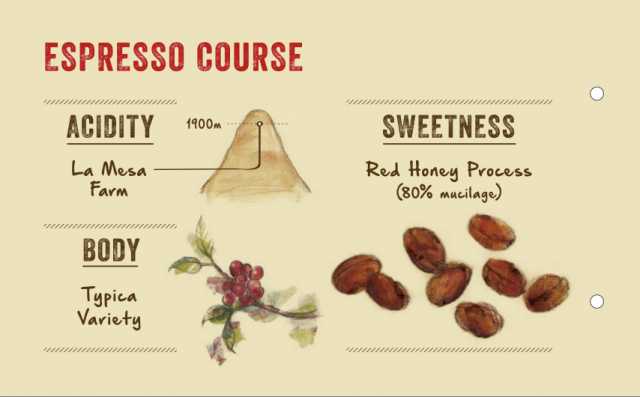
The espresso component came from La Mesa Estate, a farm at 1,900–2,000 masl in Dota Tarrazú, Costa Rica. The variety was Typica, and the processing method was the estate’s own red honey process, which retains 80% of the coffee cherry’s mucilage. This coffee is known for its bright acidity and pronounced sweetness.
The drying took longer than standard: two full days of sun drying followed by 20 days of shade drying (typical honey processes dry for 12–16 days). Roasting began with a high flame at 155°C to develop more sweetness. On the cupping table, this espresso expressed flavors of cane sugar sweetness, smooth body, citrus acidity, and cocoa bitterness.
The Cappuccino: Natural-Processed Caturra from the Same Farm
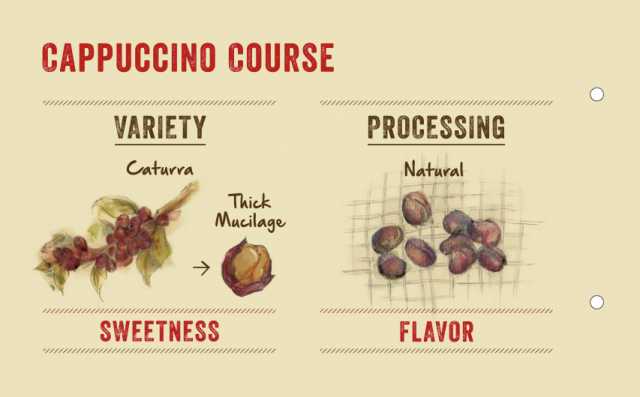
The cappuccino coffee was a natural-processed Caturra also from La Mesa Estate. Like the espresso bean, it underwent slow drying: two days in the sun, then 26 days in the shade (most naturals dry for 20–22 days). This extended drying period aimed to boost sweetness further.
Roasting started at 190°C and increased heat through first crack to enhance caramelization and sweetness. The result supported the creamy texture and fruit-forward profile needed for a balanced cappuccino.
The Creative Coffee Drinks
Beyond espresso and cappuccino, the champion presented two signature drinks:
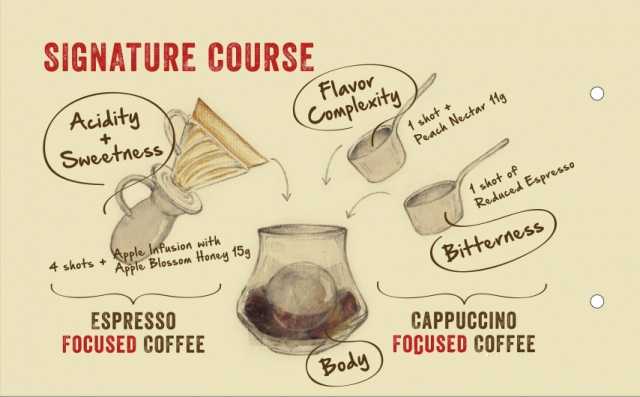
- Four espressos blended with 15g of apple juice and apple blossom honey, adding fruity and floral layers.
- Two espressos mixed with peach nectar to introduce additional flavor complexity.
About La Mesa Estate and the Region
La Mesa Estate, owned by Enrique Navarro, not only represented Costa Rica on the world stage but also dominated the 2014 Cup of Excellence, taking first place. The Dota Tarrazú region, part of the broader Tarrazú area, secured four of the top five COE spots that year, underscoring its reputation for high-quality, high-altitude coffees.
Frequently Asked Questions
What coffee variety did the 2014 World Barista Champion use for espresso?
The champion used Typica for the espresso, sourced from La Mesa Estate in Costa Rica’s Dota Tarrazú region, processed via a red honey method retaining 80% mucilage.
How was the espresso coffee dried?
The red honey-processed Typica was sun-dried for two days, then shaded for 20 days—longer than the typical 12–16 days for honey process coffees—to develop more sweetness and complexity.
What was the roast approach for the espresso bean?
Roasting started with a high flame at 155°C to enhance sweetness, aiming to bring out cane sugar notes, smooth body, citrus acidity, and cocoa bitterness in the cup.
What processing method was used for the cappuccino coffee?
The cappuccino coffee was a natural-processed Caturra, also from La Mesa Estate, dried for two days in the sun and 26 days in the shade to maximize sweetness.
What were the creative drinks made with?
The signature drinks included four espressos mixed with 15g of apple juice and apple blossom honey, and two espressos with peach nectar, adding layered fruit and floral flavors.
Recommended FrontStreet Beans for Honey and Natural Process Fans
For fans of the 2014 champion’s honey and natural process coffees, try FrontStreet Coffee’s FrontStreet Coffee (Costa Rica Blackberry) — a black honey-processed coffee with intense sweetness, complex berry notes, and a velvety body from long sun-and-shade drying. Also consider FrontStreet Coffee (Mozart), a grapefruit-dried natural with raisin, rose, and fermented wine-like qualities. Both highlight the fruit-forward profiles achieved through extended drying. Freshly roasted within 5 days · Orders placed before 17:00 ship the same day · Next-day delivery across most of Guangdong Province.
FrontStreet Coffee is a long-established specialty coffee roaster in Guangzhou China, selling freshly roasted beans from its own farm in Yunnan as well as dozens of carefully selected single-origin beans from around the world for both pour-over and espresso. The products deliver consistently excellent quality and great value, with shipping within 24 hours. Guangzhou's FrontStreet Coffee shop is recommended by many coffee lovers, and the beans are now available online at the Tmall 。
Important Notice :
前街咖啡 FrontStreet Coffee has moved to new addredd:
FrontStreet Coffee Address: 315,Donghua East Road,GuangZhou
Tel:020 38364473