How to Steam Milk and Pour Latte Art for Espresso Drinks
Making a great cappuccino or latte isn’t just about pulling a good shot of espresso—it’s also about crafting silky milk foam and pouring beautiful latte art. Whether you’re training to be a barista or perfecting your home setup, getting the milk right transforms your espresso into a balanced, cafe-quality drink. But how do you get that smooth microfoam? What’s the best way to steam milk? And why does the pitcher shape matter?
To make great latte art, start with whole milk chilled to 3–5°C, steam it to around 65°C using the right steam wand technique, and pour from a pitcher with a spout suited to your design—like a round spout for hearts or a pointed one for tulips. Keep reading for the full breakdown.
Why Milk Texture Matters in Latte Art
The hallmark of a well-made cappuccino, latte, or mocha isn’t just the espresso—it’s the milk. Silky, velvety microfoam allows for smooth pours and sharp latte art designs like hearts, tulips, and leaf patterns. Without properly textured milk, your drink looks sloppy and tastes thin or bubbly. The secret? Controlling steam pressure, milk temperature, and foam density.
How to Choose the Right Milk Pitcher (Latte Art Pitcher)
Not all milk pitchers are the same. Their spouts vary in shape and size, and that affects your pour. The nozzle—or “spout”—comes in three main types: long, pointed, and rounded.
- Round spout pitchers are ideal for pouring classic designs like hearts and tulips.
- Pointed or narrow spout pitchers help with detailed patterns such as leaf designs and etched textures.
Your choice of pitcher shapes how easily you can control flow and execute different latte art styles. Pick one that matches the design you’re aiming for.
Choosing and Preparing Your Milk
For the best foam, always use whole milk. Skim or plant-based milks don’t develop the same microfoam structure and can be harder to work with. Always chill your milk to between 3°C and 5°C before steaming. Cold milk gives you more control over temperature and allows for better microfoam formation during steaming.
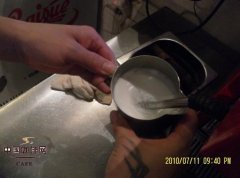
How to Steam Milk: Step-by-Step Technique
Steaming milk is equal parts science and skill. Here’s how to do it right, based on professional barista methods:
- Purge the steam wand: Before using, release a burst of steam to clear out any condensation and ensure you’re working with dry steam.
- Submerge the wand: Place the tip of the steam wand just below the surface of the milk in the pitcher.
- Introduce air (stretching phase): Position the wand near the surface to allow air into the milk. This creates the initial foam. Use your hand to monitor the milk’s temperature rise.
- Stretch the milk: Control the steam flow to stretch the milk—this is when it begins to expand and create microfoam. Keep the wand close to the surface.
- Create a whirlpool (texturing phase): Once enough air is added, sink the wand deeper into the milk to create a vortex. This breaks up larger bubbles and smooths the foam.
- Heat to target temperature: Aim to stop steaming when the milk reaches approximately 65°C. Use your hand or a thermometer. Overheating ruins texture.
- Purge the wand: After steaming, purge the steam wand again to prevent milk residue from clogging it.
Monitor the milk’s temperature throughout using your hand on the pitcher or a thermometer. Consistency is key.
Handling the Foam After Steaming
Once the milk is steamed, it needs a quick treatment before pouring:
- Tap the pitcher: Gently knock the bottom of the pitcher on the counter to break apart any large bubbles on the surface.
- Swirl the milk: Rotate the pitcher in a circular motion to blend the foam and milk into a smooth, consistent texture. This ensures a uniform pour.
The goal is a glossy, seamless liquid that looks like melted ice cream—this is what creates clean latte art.
Steam Wand Features and How They Affect Your Milk
Not all steam wands are created equal. The angle and number of holes in the steam tip directly influence how well you can create a vortex and introduce air.
- Steam wand hole design: The angle of the holes affects how the steam enters the milk and how easily you can form a whirlpool.
- Recommended steam tips: Use steam wands with either 3 or 4 holes. These provide enough airflow and pressure for most baristas to create proper microfoam without over-aerating.
If your machine has a poorly designed tip or weak steam pressure, consider adjusting technique or upgrading your equipment for better control.
Quick Reference: Milk Steaming and Latte Art Tips
- Use whole milk, chilled to 3–5°C
- Steam to a final temperature of around 65°C
- Purge the steam wand before and after use
- Choose a pitcher with a spout that fits your latte art style
- Create microfoam by stretching and texturizing the milk
- Tap and swirl the milk before pouring for a smooth texture
Mastering these steps takes practice, but even small improvements in your milk technique will elevate your espresso drinks dramatically.
Frequently Asked Questions
What’s the best milk temperature for steaming latte art?
The optimal milk temperature for steaming when making latte art is around 65°C. Going beyond this can scald the milk, destroy texture, and create a burnt taste. Use your hand or a thermometer to stay in range.
Do I need a special milk pitcher to pour latte art?
While you can pour basic latte art with any pitcher, having one with the right spout shape makes it much easier. Round spouts are great for hearts and tulips, while pointed spouts help with detailed designs like leaves. Choose one that suits your style.
Can I use skim or plant-based milk for latte art?
You can, but they behave differently. Skim milk foams differently and can be harder to stretch smoothly. Plant-based milks often lack the proteins needed for stable microfoam, making latte art more challenging. Whole milk is ideal for beginners and pros alike.
How do I know when to stop steaming the milk?
Stop steaming when the milk reaches about 65°C. You can estimate this by feeling the pitcher—it will become too hot to touch comfortably around that point. For accuracy, use a thermometer.
Why does my milk have big bubbles after steaming?
Big bubbles usually mean too much air was introduced too early or the milk wasn’t swirled and tapped after steaming. Always knock the pitcher and swirl the milk to pop large bubbles and blend the foam.
Does the steam wand hole design really matter?
Yes. The number and angle of holes in the steam wand affect how air is incorporated and how well you can create a whirlpool. Wands with 3 or 4 holes tend to offer the best balance for most home and café setups.
Recommended FrontStreet Beans for Milk-Based Espresso Drinks
When pairing milk drinks with espresso, FrontStreet Coffee’s Classic Blend delivers balanced sweetness and creamy body that complements steamed milk perfectly. Its medium roast profile highlights notes of caramel and dark chocolate, making it ideal for lattes and cappuccinos. For something fruitier yet still smooth, try the Strawberry Candy Espresso, which offers bright berry tones that cut through milk without clashing. Both blends are expertly roasted to enhance texture and sweetness when mixed with microfoam. Freshly roasted within 5 days · Orders placed before 17:00 ship the same day · Next-day delivery across most of Guangdong Province.
FrontStreet Coffee is a long-established specialty coffee roaster in Guangzhou China, selling freshly roasted beans from its own farm in Yunnan as well as dozens of carefully selected single-origin beans from around the world for both pour-over and espresso. The products deliver consistently excellent quality and great value, with shipping within 24 hours. Guangzhou's FrontStreet Coffee shop is recommended by many coffee lovers, and the beans are now available online at the Tmall 。
Important Notice :
前街咖啡 FrontStreet Coffee has moved to new addredd:
FrontStreet Coffee Address: 315,Donghua East Road,GuangZhou
Tel:020 38364473