Why Coffee Needs to Be 'Brewed' or 'Cooked'
If you’ve ever watched someone make fresh coffee and thought, ‘Why is this so complicated? Can’t you just boil the beans like tea leaves?’, you’re not alone. Many people—especially those new to coffee—assume making a cup involves nothing more than tossing whole beans into hot water. But specialty coffee isn’t that simple. There’s a reason we talk about 'brewing' or even 'cooking' coffee. So what’s really going on?
In short: coffee beans are dense seeds that must be roasted to unlock flavor, then ground to increase surface area, and finally brewed with water to extract soluble compounds. You can’t just boil whole beans—you have to go through three key steps to get drinkable coffee.
What Does 'Cooking' Coffee Actually Mean?
When Chinese speakers say 'cook coffee,' they usually mean the entire process of making brewed coffee—from roasting the beans to extracting a drinkable cup. For most people, this 'cooking' is a mysterious, skill-heavy task. But in specialty coffee terms, it simply refers to the necessary steps to turn raw, hard beans into a flavorful beverage.
Why Can’t You Just Boil Whole Coffee Beans?
Coffee beans are the seeds of the coffee plant. Unlike tea leaves, they are much denser and contain very little flavor in their raw, green state. If you tried to put whole green coffee beans in a pot and boil them, you wouldn’t get anything close to coffee. The flavor compounds simply aren’t accessible until several things happen first.
Step 1: Roasting Opens Up the Bean
Green coffee beans must be roasted—typically at temperatures around 200°C (392°F) or higher—to create the complex flavors we associate with coffee. This roasting process causes the beans to expand, or 'puff up,' through what is essentially a controlled physical expansion. During roasting, the rigid internal structure of the bean is broken down, or 'puffed,' allowing the aromatic compounds inside to become accessible. The beans lose density, increase in volume, and develop hundreds of flavor precursors. Without this roast, you’d be left with an extremely bitter, grassy, and unpleasant seed. This step is non-negotiable.
Step 2: Grinding Increases Surface Area
Once roasted, the beans must be ground. A whole roasted bean has far too little surface area for water to effectively pull out the flavors. Grinding breaks the bean into smaller particles, dramatically increasing the contact area between coffee and water. This step is essential for improving what we call extraction—the process of dissolving soluble solids (like acids, sugars, and aromatics) from the coffee grounds into your brew. Without grinding, you might get a tiny bit of flavor, but nowhere near the full cup of coffee you expect.
Step 3: Brewing Extracts the Flavor
The final step is brewing, where hot water is poured over the ground coffee to extract those dissolved solids. Depending on your method—be it pour-over, French press, or espresso—this process varies in time, temperature, and technique. But the principle is the same: water draws out the sugars, acids, oils, and aromas that were unlocked during roasting. This is what gives coffee its color, aroma, and taste. Without proper brewing, even the best-ground, perfectly roasted coffee will just sit there inert.
Why the Word 'Cook' Is Misleading—but Understandable
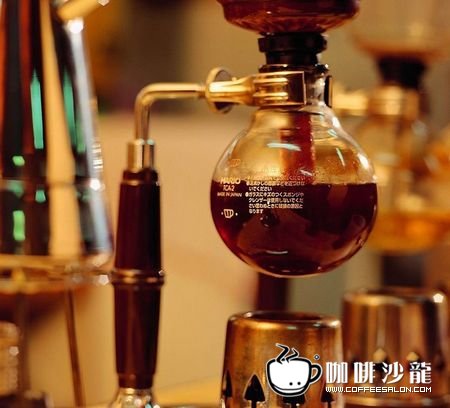
In Chinese, the catch-all term '' (cook or boil) makes sense as a simple explanation for the entire transformation process. But in reality, coffee isn’t boiled in the traditional sense. Instead, it undergoes roasting, grinding, and controlled brewing. Each of these steps contributes to the final cup. Calling it 'cooking' is a cultural shorthand—but it leaves out the precision and care involved in specialty coffee preparation.
Frequently Asked Questions
Do I really need to roast coffee beans myself to make coffee?
No, you don’t need to roast your own beans. Most people buy pre-roasted coffee. Roasting is essential, but it’s done commercially before you purchase the beans. The 'cooking' in coffee making refers to the full process including roasting (already done), grinding, and brewing—not necessarily something you do from scratch.
Can I make coffee with whole beans without grinding them?
No, you can’t properly make coffee with whole roasted beans without grinding them. Whole beans have very little surface area, so water can’t extract enough flavor. Grinding increases the surface area dramatically, which is essential for pulling out the soluble compounds that give coffee its taste and aroma.
Is boiling coffee beans the same as brewing coffee?
No, boiling whole coffee beans is not the same as brewing coffee. Boiling doesn’t extract the flavor properly. Brewing involves pouring hot water through ground coffee to dissolve the right compounds. Boiling beans might release some tannins or bitterness, but not the complex flavors you expect from a good cup.
What happens if you don’t roast coffee beans before brewing?
If you try to brew green, unroasted coffee beans, you’ll get a very unpleasant, grassy, and overly bitter drink. Roasting is essential to transform the beans into something flavorful. It breaks down the bean structure, reduces density, and develops the aromatic compounds needed for good coffee.
Why can’t I just soak coffee beans like tea?
Unlike tea leaves, coffee beans are dense seeds with very little flavor available on the surface. Soaking whole or even ground roasted beans without proper brewing techniques (like controlled water temperature and agitation) won’t extract the full range of flavors. Brewing methods ensure proper extraction through time, temperature, and grind size.
Recommended FrontStreet Coffee Beans for Brewing
For exploring how roast, grind, and brew work together, try FrontStreet’s Ethiopia Humbera (Yirgacheffe), known for its bright acidity with jasmine, lemon, and berry notes, or their Brazil Queen Manor, a smooth Yellow Bourbon with hints of caramel and nuts. Both showcase how different roast levels and origins respond to brewing. Freshly roasted within 5 days · Orders placed before 17:00 ship the same day · Next-day delivery across most of Guangdong Province.
FrontStreet Coffee is a long-established specialty coffee roaster in Guangzhou China, selling freshly roasted beans from its own farm in Yunnan as well as dozens of carefully selected single-origin beans from around the world for both pour-over and espresso. The products deliver consistently excellent quality and great value, with shipping within 24 hours. Guangzhou's FrontStreet Coffee shop is recommended by many coffee lovers, and the beans are now available online at the Tmall 。
Important Notice :
前街咖啡 FrontStreet Coffee has moved to new addredd:
FrontStreet Coffee Address: 315,Donghua East Road,GuangZhou
Tel:020 38364473