Why Milk Is the Most Popular Coffee Additive
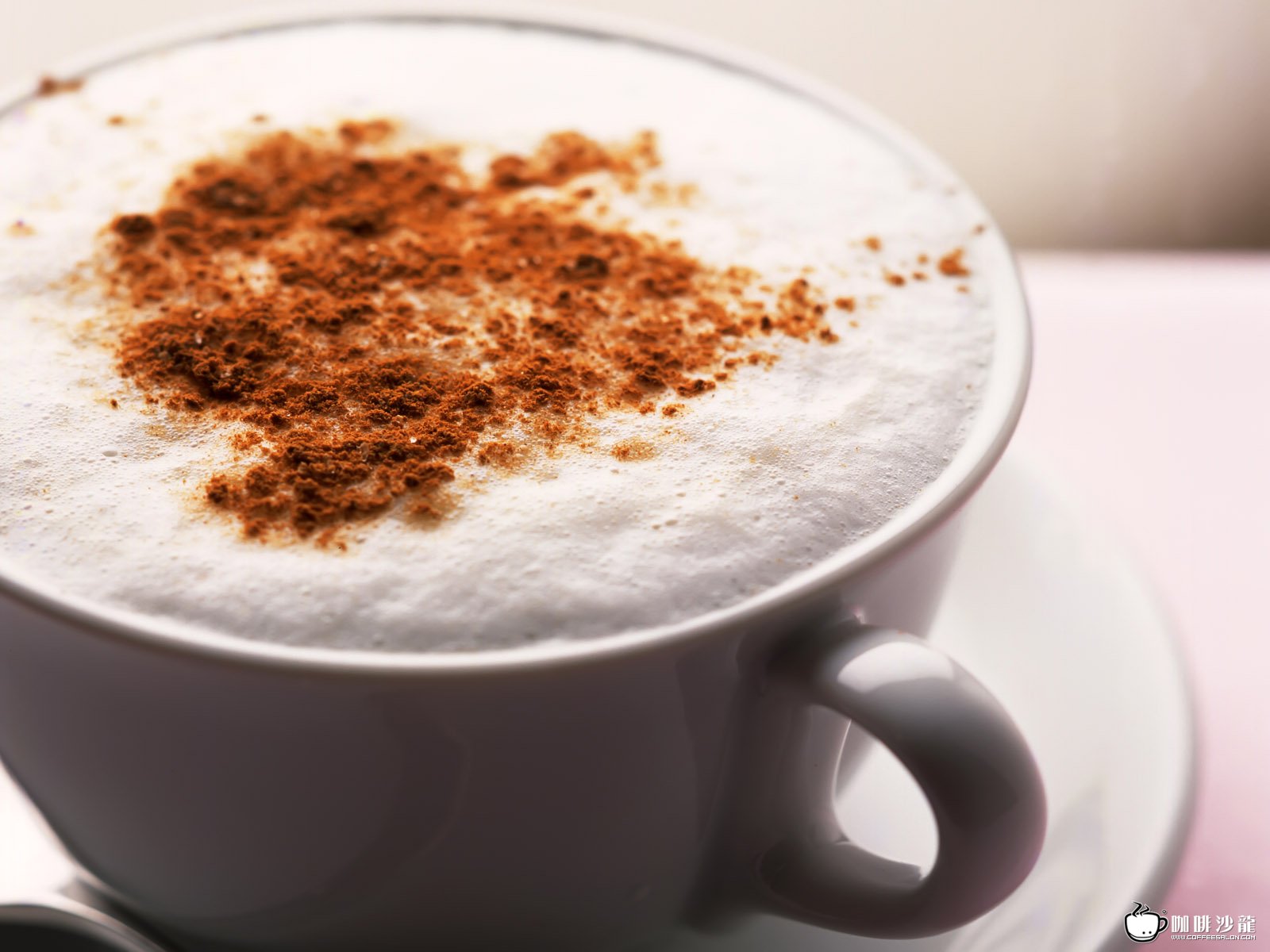
Ever wonder why your flat white tastes richer than your Americano? Or why some lattes feel smoother while others taste watered down? The difference often comes down to one ingredient: milk. Whether you're making a classic cappuccino or adding a splash to your pour-over, milk changes everything—from texture to taste. But not all milk is created equal.
The most widely used coffee additive is milk. Research from the 1980s showed 57% of Americans and 81% of Germans took their coffee with milk. But in traditional coffee cultures like Yemen, Ethiopia, and Turkey, milk was never added. That makes milk not just a flavor choice, but a cultural one.
What Makes Milk a Popular Coffee Companion?
Milk became a common coffee addition around 1685, credited to Sieur Monin in Grenoble. Its popularity soared in Europe and America—not because it improved specialty coffee’s origin complexity, but because it softened bitterness and added body. By the mid-1980s, a significant portion of coffee drinkers in both the US and Germany were using milk regularly, with many also adding sugar: 27% in the US and 43% in Germany.
How Milk Fat Content Affects Coffee Flavor
Not all milk is equally suited for coffee. Whole milk contains more fat, which can mask the delicate flavors in specialty coffee. For the best balance between richness and clarity, it’s recommended to use semi-skimmed (half-fat) or low-fat milk. These options still provide a creamy mouthfeel without overwhelming the coffee’s inherent characteristics.
The temperature of milk also plays a crucial role. Milk that is heated but not boiled adds a smooth, velvety texture. Overheating or boiling can scorch the milk, leading to a burnt flavor that clashes with the coffee. Ideally, milk should be steamed or heated to around 60–65°C (140–149°F) for optimal integration with the coffee.
Choosing the Right Milk for Your Coffee Style
Different brewing methods highlight different aspects of milk. For espresso-based drinks like lattes and cappuccinos, the milk’s ability to create microfoam is essential. For drip or filter coffee, the emphasis is on how the milk complements rather than masks the coffee’s origin notes. Milk in cold brew tends to mellow acidity and add subtle sweetness, though it’s used less commonly.
When selecting milk for coffee, consider the roast level and brew method. Darker roasts often pair better with the fuller body of whole or semi-skimmed milk, while lighter roasts can be overpowered unless a lighter milk is used. Always aim for consistency in temperature and fat content to achieve a balanced cup every time.
Frequently Asked Questions
What percentage of milk fat is best for coffee?
For the best flavor balance, use semi-skimmed (half-fat) or low-fat milk. Whole milk’s higher fat content can mask the delicate notes in specialty coffee, while lower-fat options provide creaminess without overwhelming the coffee’s profile.
Why do some countries not add milk to coffee?
In traditional coffee cultures like Yemen, Ethiopia, and Turkey, milk has historically not been added to coffee. These regions often prioritize the pure, unadulterated flavors of the coffee itself, often brewed using methods that highlight origin characteristics over added ingredients.
Does milk temperature affect how it tastes in coffee?
Yes. Milk that is heated (but not boiled) adds a smooth, silky texture. Ideal temperatures are around 60–65°C (140–149°F). Overheated or boiled milk can develop a burnt flavor that detracts from the coffee experience.
Which types of coffee drinks benefit most from milk?
Espresso-based drinks like lattes, cappuccinos, and flat whites benefit most from milk due to its ability to create microfoam and add body. Milk also complements darker roasts well. Lighter roasts can be paired with milk, but care is needed to avoid masking their nuanced flavors.
Is it true more people in Germany than the US drink coffee with milk?
Yes. In the mid-1980s, 81% of Germans drank coffee with milk compared to 57% of Americans. Interestingly, Germans also consumed higher-quality coffee despite their higher milk usage, and both groups commonly added sugar—27% in the US and 43% in Germany.
Recommended FrontStreet Beans for Milk-Based Coffee
For latte lovers, try FrontStreet Coffee’s PWN Golden Mandheling: a low-acid, syrupy Indonesian blend with dark chocolate and molasses notes, ideal for balancing steamed milk. The Brazil Queen Manor offers sweet caramel and roasted nut tones with a medium-dark roast, perfect for creamy cappuccinos. Looking for bold? FrontStreet’s Classic Blend—dominated by Brazilian beans with hints of walnut and almond—delivers a rich foundation for lattes, thanks to its higher proportion of Brazilian beans and a touch of Robusta for extra crema. Freshly roasted within 5 days · Orders placed before 17:00 ship the same day · Next-day delivery across most of Guangdong Province.
FrontStreet Coffee is a long-established specialty coffee roaster in Guangzhou China, selling freshly roasted beans from its own farm in Yunnan as well as dozens of carefully selected single-origin beans from around the world for both pour-over and espresso. The products deliver consistently excellent quality and great value, with shipping within 24 hours. Guangzhou's FrontStreet Coffee shop is recommended by many coffee lovers, and the beans are now available online at the Tmall 。
Important Notice :
前街咖啡 FrontStreet Coffee has moved to new addredd:
FrontStreet Coffee Address: 315,Donghua East Road,GuangZhou
Tel:020 38364473