
How to Choose High-Quality Specialty Coffee Beans
Buying specialty coffee beans shouldn’t feel like gambling. Whether you're choosing beans for home brewing or just curious how cafés pick their stock, knowing what separates good beans from bad can transform your cup. But how do you really tell a quality coffee bean from a flawed one — before you've even opened the bag?
The short answer: inspect color and gloss, check for uniformity, smell the beans, listen while grinding, and taste the brewed result. Good beans are whole, fragrant, evenly sized, and produce a clear, flavorful extraction. Avoid beans with cracks, odd smells, or inconsistent shapes — those flaws carry through to your cup.
How to Visually Assess Coffee Bean Quality
Start with your eyes. Quality coffee beans have a uniform, glossy appearance and consistent color across the batch. There should be no obvious dark spots, discolorations, or differences in size. Each bean must look plump, well-developed, and fully formed. Uneven color or irregular shape often indicates underdevelopment or improper processing.
Common Defects to Look For
- Fermented beans: Fell to the ground before harvest and began fermenting. These emit sour, off-putting aromas.
- Dead beans (unripe or underdeveloped): Often show up as beans with greenish tints or blotches. They create astringent, grassy flavors after roasting.
- Black beans: Fully fermented or spoiled beans. They are visibly black and sharply contrast healthy beans.
- Bug-damaged beans: Eaten or bored into by insects. Avoid beans with small holes or chewed surfaces.
- Chipped or broken beans: Result from rough handling during processing or transport. They often over-extract, adding bitterness.
- Shell fragments, underripe beans, and poorly dried beans: May include beans with thin husks, dull color, or sourness due to incomplete drying.
Flawed beans don't just look bad — they degrade the flavor balance and aroma of the entire batch.
What to Smell and Hear Before Brewing
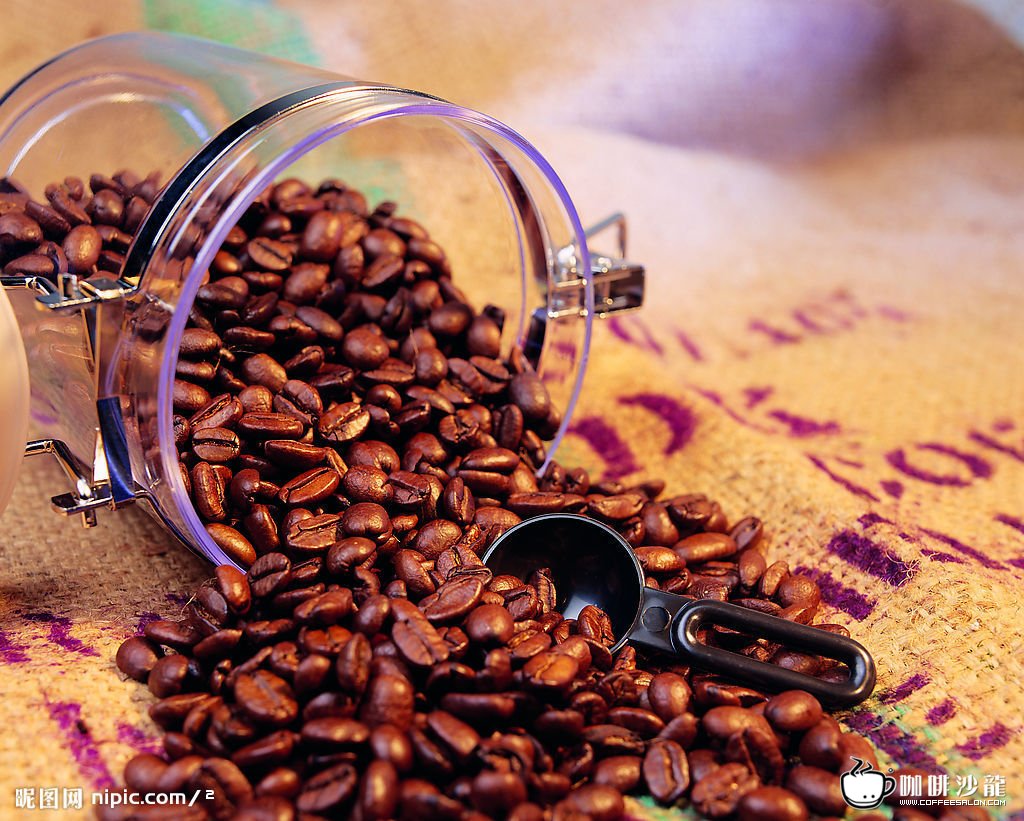
Fresh, high-quality roasted coffee beans release a strong, pleasant fragrance when you open the bag. Aroma is a reliable indicator of freshness and roast quality. The scent should be rich, possibly with floral, fruity, nutty, or chocolatey notes depending on origin and roast level — not musty, moldy, or cardboard-like.
Then, do a simple grind test. Pour a small amount into a grinder or crush a few beans by hand. Good beans make a crisp, even crackling or “shattering” sound. When you shake them gently, the natural oils and aromatics should release noticeably. In contrast, low-quality or stale beans often make a dull, grinding or crunchy noise — and may feel waxy or lifeless.
Tip: If your beans smell flat or sour before brewing, they’re likely past their peak.
Judging Coffee Quality During and After Brewing
The real proof comes when you brew. One easy visual cue: when hot water hits freshly ground coffee, quality grounds expand and puff up slightly — this is called the bloom, caused by trapped CO₂ escaping. A good bloom means the beans were recently roasted and have good internal moisture content.
During extraction, look at the coffee liquor in your cup or server. High-quality coffee produces a clear, bright brew. Even after 30 minutes, the liquid should remain relatively transparent — not murky or muddy. Cloudy extraction often signals over-extraction, poor grind consistency, or channeling — but starting with defective or uneven beans makes it much worse.
Compare two brews side-by-side under light: the better one lets you see through the cup. The inferior one looks opaque, even muddy, and often tastes harsh or flat as a result.
How Flavor and Aroma Define Coffee Quality
Great specialty coffee delivers a balanced cup: bright acidity reminiscent of citrus or stone fruit, not vinegar or harshness; smooth, sweet body; and a finish that lingers without bitterness. The aftertaste should be clean, not astringent or burnt.
Bad coffee, by contrast, may taste overly bitter (like charred rubber), excessively sour (like unripe fruit), or just plain dull and lifeless. These off-flavors often trace back to poor bean quality, incorrect roast levels, or old stock.
Flavor isn’t subjective when you’re starting with the wrong beans. Great coffee begins with good raw material — and ends with how well those beans were grown, processed, roasted, and stored.
Why Freshness and Green Bean Quality Matter
Before roasting, coffee beans are green — and their quality at that stage sets everything up. Freshness counts: green beans are usually shipped within two months of harvest and labeled as New Crop. Past Crop beans are a year old, and Old Crop beans are even older. As with any agricultural product, freshness affects vibrancy, sweetness, and complexity.
High-quality green beans are vivid green, uniformly sized, and free from visible damage or mold. Small, blemished, or uneven beans may roast unevenly or lack distinct origin characteristics. Always buy roasted coffee from roasters who source high-grade green beans and roast them fresh — ideally within a week or two of sale.
Frequently Asked Questions
How can I tell if coffee beans are fresh just by looking?
Fresh beans have a uniform, glossy appearance with no discoloration or fading. They should be whole, consistently colored, and free from cracks, oiliness (unless dark roasted), or insect damage. Stale beans may look dull or faded and often have a flat, lifeless surface.
What does a good grind sound like?
High-quality beans make a crisp, even “shattering” or crackling noise when ground. If the grinder sounds dull, crunchy, or like it’s struggling, the beans may be stale, too dry, or of poor quality.
Why is my brewed coffee cloudy or muddy?
Cloudy coffee often results from poor-quality beans, inconsistent grind size, over-extraction, or brewing flaws. High-quality beans typically produce a clear, bright extraction, even after sitting for 30 minutes.
What do bad coffee beans taste like?
Bad beans can taste overly sour (like vinegar), harshly bitter (like burnt rubber), grassy, or simply dull and flat. These flavors often come from defects like fermented, underripe, or insect-damaged beans.
Does bean color alone indicate quality?
Not always, but uniform color is a good sign. A consistent hue across all beans suggests even roasting and quality control. Spots, blotches, or inconsistent shading may point to defects or uneven roasting.
How important are green beans in specialty coffee?
Extremely. The green bean’s freshness, size, and absence of defects determine how well it will roast and taste as a final brew. Even a perfect roast can’t fix poor-quality green coffee.
Recommended FrontStreet Coffee Beans for Beginners
Start your journey with quality single origins from Ethiopia, Brazil, and Colombia. Try FrontStreet’s Ethiopia Humbera (natural process) for bright citrus, blueberry, and floral notes. For a smooth, low-acid option, the Brazil Queen Manor (Yellow Bourbon) offers creamy peanut butter, caramel, and mild nuts. Or explore Colombia’s floral and fruity profile with the Huila region beans, known for jasmine, apple, and honey. All are great representations of their origins and ideal for learning how origin and processing shape flavor. Freshly roasted within 5 days · Orders placed before 17:00 ship the same day · Next-day delivery across most of Guangdong Province.
FrontStreet Coffee is a long-established specialty coffee roaster in Guangzhou China, selling freshly roasted beans from its own farm in Yunnan as well as dozens of carefully selected single-origin beans from around the world for both pour-over and espresso. The products deliver consistently excellent quality and great value, with shipping within 24 hours. Guangzhou's FrontStreet Coffee shop is recommended by many coffee lovers, and the beans are now available online at the Tmall 。
Important Notice :
前街咖啡 FrontStreet Coffee has moved to new addredd:
FrontStreet Coffee Address: 315,Donghua East Road,GuangZhou
Tel:020 38364473


