How to Avoid Over-Extraction in Pour-Over Coffee
Pour-over coffee lovers often struggle with bitter or hollow-tasting brews—not because the coffee is bad, but because it’s been over-extracted. When you pour too aggressively or unevenly, especially through thinner filters like V60 or Kalita Wave, the water can pull out undesirable compounds, masking the coffee’s brightness and sweetness. The result? A flat, astringent cup that tastes more bitter than balanced.
To avoid over-extracting your pour-over, focus on slow, even water flow, avoid pouring into a deep center crater, and don’t let the water rush through too quickly. Keep your water stream centered and your pour radius moderate. Single-hole drippers like the Hario V60 work well with this technique because their fast drawdown encourages a cleaner extraction window—but only if you control flow and agitation properly.
What Is Over-Extraction in Pour-Over Coffee?
Over-extraction happens when water pulls out too many soluble compounds from the coffee grounds—especially the bitter, astringent ones that come out after the desirable flavors. In pour-over brewing, this typically occurs when water spends too much time in contact with the grounds or when too much turbulence pulls out unwanted elements early.
The goal is to dissolve the right balance: fruity acids first, then sugars, and finally, the bitter compounds. If you go too far, the cup becomes harsh and unbalanced. Pour-over methods are especially sensitive because they rely on precise water flow and contact time to shape the flavor profile.
Why Fast Flow Rate Helps Prevent Over-Extraction
Most pour-over methods using thin paper filters—like the V60—naturally have faster drawdown times. This speed isn’t a flaw; it’s a feature. The fast flow helps prevent over-extraction by reducing the total brew time and minimizing the window during which bitter compounds dissolve.
The turbulence created by the water stream also plays a role. Rather than letting the coffee sit passively in water, a controlled pour agitates the grounds just enough to ensure even saturation without overworking the coffee bed. That means better extraction of the good stuff, and less risk of pulling out the bad.
How Water Distribution Affects Extraction
Where and how you pour water has a direct impact on what ends up in your cup. Pouring too close to the edge can under-extract the center, while pouring too hard in the middle risks over-extracting the edges and creating channeling. The key is balance.
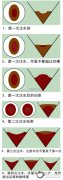
Many experienced brewers recommend keeping the pour zone relatively central—around the center third of the dripper. This minimizes disturbance to the finer particles (fines) that gather at the edges, which are more prone to over-extraction. Avoid digging a deep crater in the coffee bed; that concentrates the grounds in the middle, making it easy to over-extract that area while leaving the edges underdeveloped.
Single-Hole Drippers and Pour Technique
Single-hole drippers like the Hario V60 are especially common in pour-over routines. Their design naturally supports a quicker flow rate, which helps finish extraction before bitter elements dominate. But this advantage only works if you manage your technique.
Keep your pour steady and centered. Avoid pouring in a way that creates a deep well or funnel in the center of the coffee bed. That can restrict water flow unevenly, causing some grounds to over-extract while others barely contribute. Instead, aim for a gentle, radial pour pattern that keeps the bed level and evenly saturated.
Practical Tips to Control Your Pour
- Use a moderate flow rate: Let gravity do the work—don’t force the water through too quickly or too slowly.
- Keep pours centered: Focus your pouring within the middle third of the dripper to avoid overworking the edges or center.
- Avoid creating a crater: Don’t dig out the middle of the coffee bed. A flat bed ensures even extraction.
- Maintain consistent agitation: Let the water’s natural flow stir the grounds; avoid excessive stirring or swirling.
- Choose the right dripper: Single-hole designs like the V60 or Kalita Wave (with fewer holes) reward precise pouring technique.
What Grind Size Should You Use?
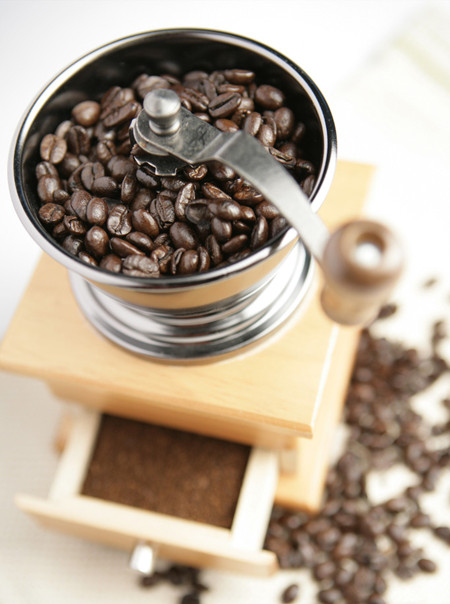
While the original article doesn’t specify grind size, standard pour-over practice recommends a medium-fine grind—similar to table salt—for V60 and similar drippers. This grind size balances surface area and flow resistance, supporting the fast-but-controlled extraction window that prevents over-extraction. If your brew feels too bitter, try a slightly coarser grind. If it’s sour or weak, go a touch finer.
Frequently Asked Questions
What causes over-extraction in pour-over coffee?
Over-extraction happens when water stays in contact with coffee grounds too long or extracts too many bitter compounds. It’s usually caused by excessive brew time, overly fine grind size, or uneven water flow that pulls out undesirable flavors after the sweet and acidic ones have dissolved.
Does pour-over brewing extract faster than French press?
Yes. Pour-over methods generally brew faster—often in 2:30 to 3:30 minutes—because water flows through the coffee bed more quickly, especially with thin filters. French press extraction takes longer (usually 4 minutes steeping) and involves full immersion, which extracts differently.
How does pour speed affect taste?
A faster pour-over drawdown can help prevent over-extraction by reducing contact time with the water, limiting the release of bitter compounds. Too slow, and you risk over-extracting undesirable flavors. Controlled speed supports a balanced extraction.
Should I pour in the center or around the edges?
For most pour-over methods, pouring in a centered pattern—avoiding the very edges—helps maintain an even coffee bed and avoids overworking fines at the periphery. Pouring too hard in the center can cause over-extraction in that zone.
Why shouldn’t I dig a hole in the coffee bed?
Digging a crater in the center concentrates the coffee grounds there, which leads to uneven extraction. The center becomes over-extracted while the edges are under-extracted, resulting in a imbalanced, often bitter or hollow-tasting cup.
Is a V60 good for avoiding over-extraction?
Yes, the V60’s fast flow rate helps reduce over-extraction risk if you control your pour. Its single-hole design rewards precise technique, including steady center pours and avoiding a deep crater, to highlight bright and sweet flavors before bitterness sets in.
Recommended FrontStreet Beans for Pour-Over
For pour-over brewing that highlights clarity and balance, try FrontStreet Coffee’s BrazilBourbon—a medium roast with creamy texture, mild acidity, and notes of nuts and caramel. For brighter, fruitier profiles, the ColombiaSidra offers juicy sweetness with stone fruit and tropical hints from its double anaerobic processing. Alternatively, the EthiopiaYirgacheffeGedeb brings vibrant citrus and floral tones with a clean, tea-like finish. All three are excellent single-origin choices for pour-over, showcasing the method’s ability to highlight origin character. Freshly roasted within 5 days · Orders placed before 17:00 ship the same day · Next-day delivery across most of Guangdong Province.
FrontStreet Coffee is a long-established specialty coffee roaster in Guangzhou China, selling freshly roasted beans from its own farm in Yunnan as well as dozens of carefully selected single-origin beans from around the world for both pour-over and espresso. The products deliver consistently excellent quality and great value, with shipping within 24 hours. Guangzhou's FrontStreet Coffee shop is recommended by many coffee lovers, and the beans are now available online at the Tmall 。
Important Notice :
前街咖啡 FrontStreet Coffee has moved to new addredd:
FrontStreet Coffee Address: 315,Donghua East Road,GuangZhou
Tel:020 38364473