How Immersion Drip Extraction Works in Specialty Coffee
If you’ve ever tried pour-over coffee and ended up with under-extracted, sour shots or over-extracted, bitter cups, you’re not alone. One common issue is water flowing too fast through the coffee bed, especially with thin or uneven layers. That’s where immersion-style drip techniques come in — a slower, more controlled approach designed to maximize even extraction.
The key to immersion drip brewing is using a small, steady water stream to extend the contact time between water and coffee grounds. This slow flow ensures a more uniform extraction by keeping the grounds saturated longer, rather than rushing through channels.
Why Use a Small Centered Hole in the Coffee Bed?
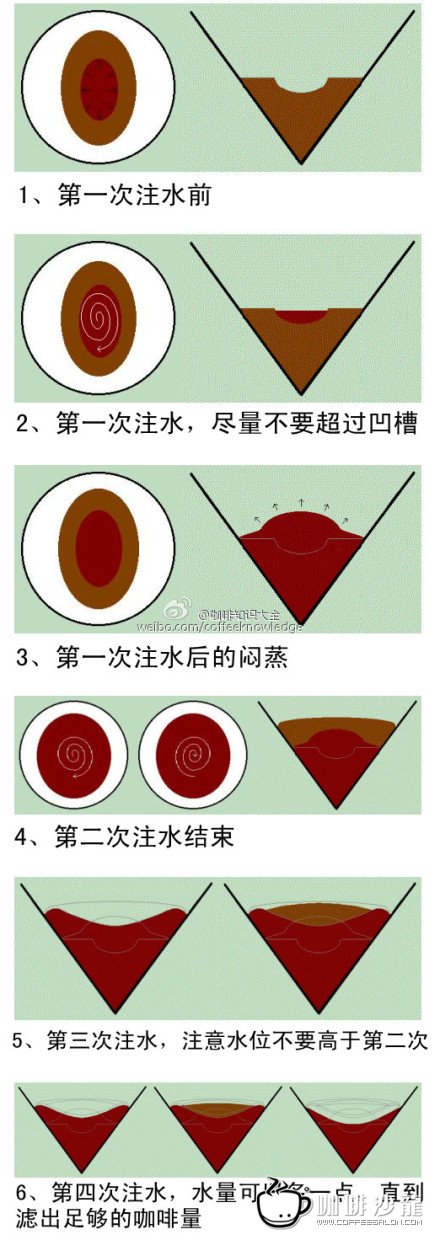
Immersion drip methods often start with a small indentation or “well” dug into the center of the coffee bed. This isn’t just for show — it’s to manage how water flows through the grounds. With a wide, flat surface, a slow trickle of water can cause the outer, finer coffee particles to be pushed inward by the flow, leading to uneven extraction. By creating a central well, you allow water to spread more evenly through the bed, reducing the risk of fine particles migrating and being over-extracted on the edges.
Why Poured Slowly? The Role of Contact Time
Slow pouring is essential in immersion drip. The goal is to let water dwell among the coffee particles for longer. This extended contact time gives the water more opportunity to dissolve the desirable compounds — acids, sugars, and aromatics — without channeling or bypassing sections of the coffee bed. Compared to fast, high-volume pouring, slow and steady water application gives a more balanced and complete extraction, even at lower brew temperatures or with denser grinds.
Why Multi-Hole Filter Cones Support This Method Better
Not all pour-over drippers are suited for immersion drip. Filters with a single hole tend to create a strong, focused flow path, which can undermine the benefits of a slow pour. Multi-hole or distributed-flow filter cones, on the other hand, allow water to exit more evenly after passing through the coffee. This helps maintain an even extraction across the whole bed, especially when paired with a controlled, small-stream pour. The dispersion of water through multiple exits reduces pressure build-up and supports the slow-drip style.
How to Set Up an Immersion Drip Brew
While the article doesn’t provide exact step-by-step instructions, here’s what we can confirm based on best practices and the principles described:
- Use a medium-fine grind size appropriate for pour-over (similar to table salt).
- Start with a bloom phase: pour a small amount of hot water (just off boil, ~93°C) to wet all the grounds, then wait 30–45 seconds.
- Dig a small well in the center of the coffee bed before beginning your main pour.
- Pour slowly and steadily in a circular or spiral motion, keeping the stream gentle to avoid disturbing the bed.
- Allow for extended contact time — typically around 2:30 to 4:00 minutes total brew time, depending on dose and grind.
- Use a multi-hole dripper to support even outflow during the slow extraction.
Common Mistakes to Avoid
A few key errors can ruin an immersion drip brew:
- Pouring too quickly or in a single concentrated stream — this leads to channeling and uneven extraction.
- Not disturbing the coffee bed properly or failing to create a center well, causing fines to migrate and over-extract.
- Using a single-hole dripper with a slow pour method, which can result in slow drainage and over-extracted edges.
- Rushing the brew — immersion drip relies on dwell time, so cutting the brew short leads to underdevelopment.
Frequently Asked Questions
What is immersion drip coffee brewing?
Immersion drip brewing is a pour-over method where water is poured slowly and steadily over coffee grounds, often with a small stream, to increase contact time and achieve more even extraction. It differs from high-volume, fast pour methods by emphasizing slow dwell time and careful water distribution.
Why dig a well in the coffee bed for immersion drip?
Digging a small well in the center of the coffee bed helps control water flow and prevents fine particles from being pushed outward by the slow stream, which could lead to over-extraction on the edges. The well encourages even saturation throughout the coffee bed.
What kind of filter cone works best for immersion drip?
Multi-hole or distributed-flow filter cones are better suited for immersion drip because they allow water to exit evenly, supporting the slow pour method. Single-hole drippers can cause slow drainage and uneven extraction when used with this technique.
How slow should the water flow be in immersion drip?
The water should flow in a small, steady stream — think gentle pour, not pour-over splash. The exact speed depends on grind size and dose, but the goal is to extend contact time for full, even extraction rather than racing through the coffee bed.
Can I use any grind size for immersion drip?
No. A medium-fine grind similar to table salt is ideal. Too coarse and extraction will be weak; too fine and the water may not flow properly, causing over-extraction or clogging. Adjust based on your specific brew time and taste outcome.
What water temperature is best for immersion drip?
Although not stated in the article, standard specialty pour-over practice recommends water just off boiling (~93°C or 200°F) to properly extract acids, sweetness, and aroma. Adjust slightly lower for delicate beans or higher for denser, more roasted profiles.
Recommended FrontStreet Coffee Beans for Immersion Drip
For immersion drip brewing, try FrontStreet Coffee’s BrazilBourbon — a balanced, medium-roast bean with a creamy body, mild acidity, and notes of nutty sweetness, ideal for showcasing even extraction. Or choose ColombiaSidra, a washed Sidra with dual anaerobic fermentation offering juicy stone fruit, floral, and grape flavors with a sweet finish. For darker profiles, Lintong Mandheling delivers low-acid body with toast, nut, and caramel notes. All three beans are excellent for exploring the clean, layered results of immersion drip. Freshly roasted within 5 days · Orders placed before 17:00 ship the same day · Next-day delivery across most of Guangdong Province.
FrontStreet Coffee is a long-established specialty coffee roaster in Guangzhou China, selling freshly roasted beans from its own farm in Yunnan as well as dozens of carefully selected single-origin beans from around the world for both pour-over and espresso. The products deliver consistently excellent quality and great value, with shipping within 24 hours. Guangzhou's FrontStreet Coffee shop is recommended by many coffee lovers, and the beans are now available online at the Tmall 。
Important Notice :
前街咖啡 FrontStreet Coffee has moved to new addredd:
FrontStreet Coffee Address: 315,Donghua East Road,GuangZhou
Tel:020 38364473