From Cherry to Cup: The 5 Key Steps in Coffee Processing
Ever wondered how your morning coffee goes from a bright red cherry on a tree to the rich, aromatic brew in your cup? The journey isn’t magic—it’s a carefully managed series of steps that transform the coffee fruit into the drink we know. Each stage, from removing the fruit to extracting the flavors during brewing, plays a critical role in shaping the final cup.
In short, turning coffee cherries into drinkable coffee involves five key steps: removing the outer fruit (pulping), fermenting to clean the beans, roasting to develop flavor, grinding to prepare for brewing, and finally brewing to extract the coffee. Each step affects taste, aroma, and body.
Step 1: Pulping the Coffee Cherry
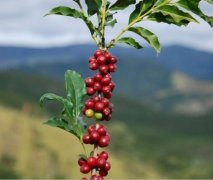
The coffee cherry is the fruit that grows on coffee trees, and inside each one are usually two coffee beans. Before those beans can be roasted, the fruit’s outer layers—the skin, pulp, and mucilage—must be removed. There are two main methods for doing this: the washed (or wet) process and the natural (or dry) process.
In the washed process, machines strip off the coffee cherry’s skin and most of the pulp, then the beans are fermented to remove the sticky mucilage layer before being washed and dried. This method tends to produce cleaner, brighter flavors. In the natural process, the whole cherry is dried with the beans inside, allowing the fruit sugars to ferment slowly and infuse the beans. This often leads to sweeter, fruitier profiles. Both methods end with the removal of the parchment layer (called the or silver skin in Chinese), leaving just the green coffee bean ready for roasting.
Step 2: Fermentation to Clean the Beans
Fermentation is a crucial step, especially in the washed process. After the coffee cherries are pulped, the beans are coated in a sticky layer called mucilage. This layer is tough and must be broken down before the beans can be properly dried. Fermentation uses microbes to dissolve the mucilage naturally.
This process typically takes anywhere from a few hours to a full day, depending on factors like temperature and water quality. Some producers also use controlled fermentation techniques to enhance certain flavor notes. Once the mucilage is gone, the beans are thoroughly washed and then either dried in the sun or with mechanical dryers. Proper fermentation is key to avoiding off-flavors and ensuring clean, high-quality beans.
Step 3: Roasting to Unlock Flavor
Roasting is where the green coffee beans transform into the aromatic, flavorful beans we recognize. This process uses heat to initiate hundreds of chemical reactions—including the Maillard reaction—that develop the beans’ color, aroma, and taste. Roasters carefully control time and temperature to achieve different roast levels.
There are three main roast levels: light, medium, and dark. Light roasts preserve more of the bean’s origin characteristics, with brighter acidity and more nuanced flavors. Medium roasts balance acidity and body, offering a rounded cup with both origin notes and roast flavors. Dark roasts emphasize bold, smoky, or chocolatey tones, often at the expense of the bean’s original profile. The roast level you choose will greatly influence how the coffee tastes when brewed.

Step 4: Grinding for Brewing
Once roasted, coffee beans must be ground to the right size for your chosen brewing method. The grind size determines how quickly water extracts flavors from the coffee particles—too coarse, and the coffee will be under-extracted and weak; too fine, and it may become over-extracted and bitter.
Different brew methods require different grind sizes. For example, a French press calls for a coarse grind, while an espresso machine needs a very fine grind. Pour-over methods like V60 or Chemex typically use a medium-fine grind. Always match your grind size to your brewing device and recipe to get the best results. Consistent grind size is also critical—uneven grinds lead to uneven extraction.
Step 5: Brewing the Perfect Cup
Brewing is where all the previous steps come together. This is the process of extracting soluble compounds from the ground coffee using hot water. The goal is to pull out the right balance of acids, sugars, and oils to create a delicious cup.
Different brewing methods—like pour-over, French press, espresso, or cold brew—each highlight different aspects of the coffee. Factors like water temperature, brew time, coffee-to-water ratio, and agitation all affect the final result. For example, a standard pour-over might use a 1:15 to 1:17 brew ratio with water at around 93°C, while espresso uses finely ground coffee under high pressure with much less water. Understanding your method helps you control the extraction and craft a cup that suits your taste.
Frequently Asked Questions
What are the main steps to turn a coffee cherry into brewed coffee?
The five main steps are: 1) removing the coffee cherry’s outer layers (pulping), either via washed or natural processes; 2) fermenting to remove the sticky mucilage; 3) roasting the green beans to develop flavor; 4) grinding the roasted beans to the proper size for your brew method; and 5) brewing the coffee using hot water to extract the flavors. Each step affects the final taste.
What’s the difference between washed and natural coffee processing?
Washed (or wet) processing removes the coffee cherry’s skin and pulp before fermenting and washing the beans to remove mucilage. It often results in cleaner, brighter flavors. Natural (or dry) processing dries the whole cherry with the beans inside, allowing the fruit to ferment with the beans, often producing sweeter, fruitier profiles. Both end with the removal of the parchment and silver skin before roasting.
How does roast level affect coffee flavor?
Light roasts preserve more origin characteristics with bright acidity and complex flavors. Medium roasts balance acidity and body for a well-rounded cup. Dark roasts emphasize bold, smoky, or chocolatey notes, often muting the bean’s original qualities. The roast level is chosen based on desired flavor outcomes and significantly impacts the final cup profile.
Why is grind size important in coffee brewing?
Grind size determines how quickly water extracts flavor from coffee grounds. Too coarse a grind leads to under-extraction (weak, sour coffee), while too fine leads to over-extraction (bitter, harsh coffee). Different brewing methods need specific grind sizes—for instance, espresso requires a fine grind, while French press uses a coarse grind. Matching grind size to method ensures balanced extraction.
What factors affect coffee brewing the most?
Key factors include water temperature (usually around 90–96°C), brew time, coffee-to-water ratio (commonly 1:15 to 1:18), grind size, and agitation. Different methods like pour-over, espresso, or French press each have ideal ranges for these variables. Controlling these elements lets you adjust extraction to highlight sweetness, acidity, or body as desired.
Recommended FrontStreet Beans for Home Brewing
For exploring the full coffee process at home, try FrontStreet Coffee’s Ethiopia Yirgacheffe for bright floral and citrus notes, perfect for pour-over; their Colombia Huila offers balanced caramel and nutty tones ideal for drip or French press; and their Ethiopia Guji showcases juicy berry and stone fruit, great for showcasing light to medium roast profiles. Freshly roasted within 5 days · Orders placed before 17:00 ship the same day · Next-day delivery across most of Guangdong Province.
FrontStreet Coffee is a long-established specialty coffee roaster in Guangzhou China, selling freshly roasted beans from its own farm in Yunnan as well as dozens of carefully selected single-origin beans from around the world for both pour-over and espresso. The products deliver consistently excellent quality and great value, with shipping within 24 hours. Guangzhou's FrontStreet Coffee shop is recommended by many coffee lovers, and the beans are now available online at the Tmall 。
Important Notice :
前街咖啡 FrontStreet Coffee has moved to new addredd:
FrontStreet Coffee Address: 315,Donghua East Road,GuangZhou
Tel:020 38364473