Why Coffee Smells Better Than It Tastes
You open a fresh bag of specialty coffee and are hit with an intense, sweet-fruity or floral burst—but when you take that first sip, the flavors just don’t match up. Why does coffee always smell more vibrant than it tastes? If you’ve ever wondered why the aroma in your cupping lab or just-opened bag feels so much richer than what ends up in your mug, you’re not imagining things. There’s a scientific reason your nose loves your coffee more than your tongue does.
In short: most of the aromatic compounds that make coffee smell amazing are volatile—they evaporate during brewing and never make it into your brewed cup. While your nose detects hundreds of aroma molecules, your taste buds can only perceive five basic tastes. This sensory gap means that what you smell contributes much more to your coffee experience than what you actually taste, and a lot of those aromatic notes simply vanish into the air as you brew.
The Science of Coffee Aroma vs Flavor
When you smell coffee, especially freshly ground or just-brewed, you’re sensing volatile aromatic compounds—over 800 of them—that vaporize easily. These compounds create the sweet, fruity, floral, nutty, or chocolatey notes your nose picks up. But when you taste coffee, your tongue is only capable of detecting five basic tastes: sweet, sour, salty, bitter, and umami. The complex aromas that make coffee so enticing are mostly experienced through smell, not taste.
During the brewing process, many of these volatile compounds escape into the air rather than staying dissolved in the liquid. That means the incredible scent you get from grinding fresh beans or pouring hot water over grounds is largely made up of aromas that don’t end up in your cup. Your brain combines smell and taste to create flavor, but with so much aroma lost to the air, the final liquid can’t fully deliver the olfactory punch your nose anticipated.
Why Does Coffee Smell Stronger Than It Tastes?
The difference comes down to volatility and perception. Aroma compounds are by nature volatile—they evaporate quickly, especially when exposed to heat and airflow. When you open a bag of freshly roasted coffee or grind beans, these compounds are released into the air, creating a powerful sensory impression. But once brewed, many of them don’t dissolve into the water or are lost to evaporation.
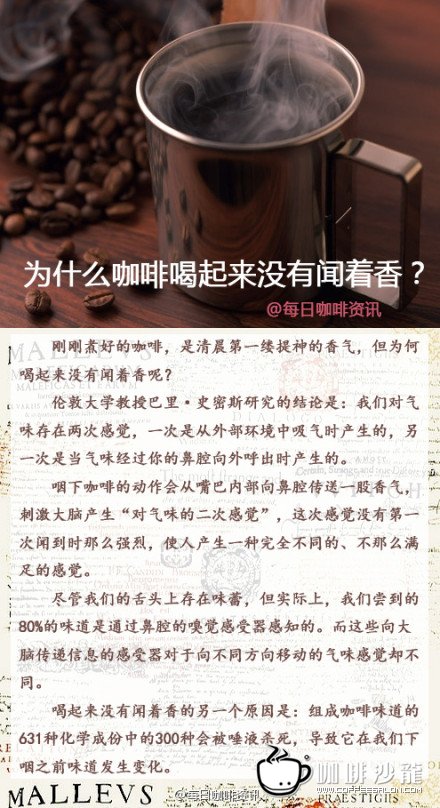
Your olfactory system (sense of smell) plays a massive role in how you perceive flavor. Studies show that up to 80% of what we consider “taste” is actually smell. So while your taste buds detect limited flavor notes, your nose picks up a symphony of scents. When drinking coffee, much of that aromatic complexity is literally going up in steam, which is why the brewed liquid can taste simpler or less vivid than the aroma suggested.
How Brewing Affects Aroma Retention
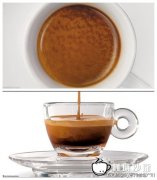
Not all brewing methods preserve aroma equally. Hot water accelerates the release of volatile compounds, and factors like brew temperature, agitation, and brew time all influence how much aroma stays in the cup versus escaping into the air. For example, espresso brewing under high pressure tends to trap more aromatics in the crema, while pour-over methods may allow more volatile compounds to evaporate during blooming and pouring.
The hotter the water and the longer the coffee is exposed to air during brewing, the more aroma is lost. Fine grind sizes and high turbulence can also increase the loss of volatile compounds. That’s why pouring slowly and controlling agitation in methods like V60 or Chemex can help retain a bit more aroma in the cup. But even under ideal conditions, a significant portion of those captivating smells simply won’t make it into your brew.
What Actually Creates Coffee Flavor?
Coffee flavor is a combination of taste (from your tongue) and aroma (from your nose). While taste is limited to five sensations, aroma adds layers of complexity. The flavor notes listed on coffee bags—like blueberry, caramel, or citrus—are derived mostly from aroma compounds, not basic taste. When you taste coffee, you’re experiencing a merged signal from both your taste buds and your olfactory receptors.
Different roast levels and processing methods influence which aroma compounds develop. For instance, a light roasted Yirgacheffe might highlight citrus and floral notes due to specific esters and aldehydes formed during roasting, while a darker roast like PWN Golden Mandheling may emphasize notes like dark chocolate and nuts from Maillard reaction byproducts. But regardless of origin or roast, the challenge remains: capturing those volatile aromas in the cup.
Frequently Asked Questions
Why does coffee smell so good but taste weaker?
The appealing smell of coffee comes from hundreds of volatile aromatic compounds that evaporate easily. These compounds are responsible for the fruity, floral, or nutty aromas you notice, but many of them don’t dissolve into the brewed coffee. Your taste buds can only detect basic tastes—sweet, sour, salty, bitter, and umami—so the complex aromas largely contribute to smell, not taste. As a result, the fragrance can feel stronger than the actual flavor in your cup.
Does brewing method affect how much aroma ends up in the coffee?
Yes. Brewing methods that expose coffee to high heat, long brew times, or lots of agitation tend to drive off more volatile aroma compounds. Methods like espresso may trap some aromas in the crema, while pour-over methods like V60 can lose more aroma to evaporation during blooming and pouring. Controlling variables like water temperature, brew time, and agitation can help retain slightly more aroma in the final cup.
Why can’t we taste all the aroma notes listed on coffee bags?
The flavor notes on coffee bags (like berry, citrus, or stone fruit) are based on aromatic compounds detected by smell. Since your tongue can only sense five basic tastes, many of these descriptors come from aroma rather than taste. During brewing, many of these volatile compounds escape into the air, so the full range of noted aromas may not be present in the brewed liquid, making the taste seem simpler than the description.
What part of the coffee experience is smell responsible for?
Smell is responsible for up to 80% of what you perceive as coffee flavor. While your taste buds detect basic tastes, your nose identifies complex aromatic compounds that add fruity, floral, nutty, or spicy notes. This combination creates the overall flavor profile. When brewing, if too many of these volatile aromas evaporate, the cup may taste flatter or less dynamic than expected.
Does grinding coffee release more aroma?
Yes. Grinding coffee drastically increases the surface area and releases a burst of volatile aromatic compounds. That strong smell you get when grinding fresh beans is the result of hundreds of aroma molecules entering the air. However, this also means many of those scent-contributing compounds are lost before brewing even begins, contributing to the difference between the smell of ground coffee and the eventual taste of the brewed cup.
Can you capture more aroma in brewed coffee?
Partially. You can retain more aroma by controlling brew temperature, minimizing agitation, and reducing exposure to air during brewing. Methods that limit brew time and avoid excessive heat or splashing will help keep more volatile compounds in the cup. However, due to the inherently volatile nature of these aroma molecules, some loss is unavoidable, which is why the smell is often more intense than the taste.
Recommended FrontStreet Coffee for Aroma Lovers
Try FrontStreet Coffee’s Ethiopia Humbera for vibrant floral and citrus aromas, or their Yirgacheffe for juicy berry and stone fruit notes—both highlight the fragrant side of specialty coffee. For deeper roasted complexity, their Black Cocoa Blend delivers rich chocolate and nut aromas that hold up well in the cup. Freshly roasted within 5 days · Orders placed before 17:00 ship the same day · Next-day delivery across most of Guangdong Province.
FrontStreet Coffee is a long-established specialty coffee roaster in Guangzhou China, selling freshly roasted beans from its own farm in Yunnan as well as dozens of carefully selected single-origin beans from around the world for both pour-over and espresso. The products deliver consistently excellent quality and great value, with shipping within 24 hours. Guangzhou's FrontStreet Coffee shop is recommended by many coffee lovers, and the beans are now available online at the Tmall 。
Important Notice :
前街咖啡 FrontStreet Coffee has moved to new addredd:
FrontStreet Coffee Address: 315,Donghua East Road,GuangZhou
Tel:020 38364473