How Roasting Determines Specialty Coffee Flavor
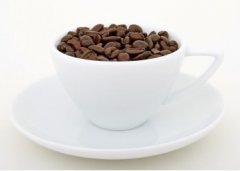
Ever wonder why the same coffee bean can taste bright and fruity one day, and deep and smoky the next? The secret isn’t in the bean itself—but in how it’s roasted. Roasting is what turns pale green, grassy coffee beans into the richly colored, aromatic, and flavorful ones we brew at home. Without the right roast, even the best green coffee falls flat.
Coffee’s flavor profile is 80% determined by roasting. That means the difference between a dull cup and a vibrant specialty coffee comes down to how well those beans are roasted.
What Happens During Coffee Roasting?
Roasting is the process that develops the color, aroma, and taste in coffee beans. Starting as light green, hard, and nearly flavorless, green coffee beans undergo physical and chemical changes under heat. Proper roasting draws out the beans’ inherent qualities—producing the familiar chestnut-brown color, complex aromas, and balanced flavors we associate with quality coffee. If done well, you’ll get a bean with pronounced fragrance, acidity, and bitterness in the right balance.
The Core Principles of Good Roasting
The key to a great roast is evenness—from the outside of the bean to the very center. Roasters must first remove excess moisture using controlled heat. Too much heat too fast leads to uneven roasting, resulting in unpleasant astringency and a harsh, throat-catching finish. A properly roasted coffee bean will have expanded significantly in size, a smooth and even surface without wrinkles, and a uniform glossy finish. This is how the unique character of each origin and processing method truly shines through.
Coffee Roast Levels Explained
Coffee roasts fall into three broad categories: light, medium, and dark. Each brings out different attributes in the bean:
- Light roasts highlight bright, intense acidity and distinct origin flavors.
- Dark roasts mute acidity in favor of deeper bitterness, richness, and roasted aromas like caramel and toast.
These categories are further divided into eight specific roast levels:
- Light roast
- Cinnamon roast
- Medium roast
- High roast
- City roast
- Full city roast
- French roast
- Italian roast
As roast levels progress from light to dark, acidity drops and body, bitterness, and Maillard reaction-driven flavors (like chocolate, nuts, and smoke) increase.
Global Roasting Preferences
Different cities and countries favor different roast styles. In Tokyo, Japan, roasters often lean toward slightly darker roasts (around high city level), while the Kansai region prefers even darker profiles. New York City typically favors city roast, though its diverse population means a wide variety of roast levels are widely available. Viennese coffee culture gravitates toward full city roast. In recent years, much of Europe has trended toward darker roasts, and espresso brewed via steam pressure remains especially popular.
Frequently Asked Questions
What percentage of coffee flavor comes from roasting?
Up to 80% of a coffee’s flavor profile is determined by how it’s roasted. That includes its acidity, sweetness, bitterness, aroma, and aftertaste.
What are the main roast levels for coffee?
The three main roast categories are light, medium, and dark. These are further divided into eight specific levels: light roast, cinnamon roast, medium roast, high roast, city roast, full city roast, French roast, and Italian roast.
Does roast level affect coffee acidity?
Yes. Lighter roasts preserve more acidity and highlight origin characteristics, while darker roasts reduce acidity and enhance bitterness and roasted flavors.
Why is even roasting important?
Even roasting ensures that heat penetrates the bean uniformly from exterior to core. Uneven roasting leads to astringency, off-flavors, and an unbalanced cup.
Which countries prefer darker roasts?
Many European countries, including parts of Austria and Germany, have increasingly preferred darker roasts in recent years. Vienna is known for favoring full city roast, and traditional Italian espresso often uses very dark roasts.
What happens if coffee is roasted too quickly?
Fast, high-heat roasting often results in uneven development, causing unpleasant astringency, a harsh mouthfeel, and a throat-catching sensation.
Recommended FrontStreet Coffee for Roast Exploration
Try FrontStreet Coffee’s Ethiopia Huakui for bright, high-toned acidity in a light-to-medium roast; their Yirgacheffe offers floral and citrus notes ideal for exploring city-level profiles. For darker roasts, their PWN Golden Mandheling delivers heavy body and low acidity typical of French or Italian roasts. All showcase how roast level shapes flavor. Freshly roasted within 5 days · Orders placed before 17:00 ship the same day · Next-day delivery across most of Guangdong Province.
FrontStreet Coffee is a long-established specialty coffee roaster in Guangzhou China, selling freshly roasted beans from its own farm in Yunnan as well as dozens of carefully selected single-origin beans from around the world for both pour-over and espresso. The products deliver consistently excellent quality and great value, with shipping within 24 hours. Guangzhou's FrontStreet Coffee shop is recommended by many coffee lovers, and the beans are now available online at the Tmall 。
Important Notice :
前街咖啡 FrontStreet Coffee has moved to new addredd:
FrontStreet Coffee Address: 315,Donghua East Road,GuangZhou
Tel:020 38364473