Seven Simple Rules for Brewing Better Coffee
If your daily cup of coffee often tastes flat, bitter, or just 'meh', the problem might not be your technique — it could be how you're handling the basics. From the moment your coffee is roasted to the second it hits your mug, small choices have a big impact on flavor. These seven rules distill years of experience into straightforward steps anyone can follow to make better coffee at home.
In short: use coffee roasted within seven days, grind it right before brewing, filter fresh water, and don’t let it sit — just brew it and drink it. Each step matters, and together they add up to a cleaner, brighter, more flavorful cup.
1. Start With Freshly Roasted Coffee Beans
The single biggest upgrade you can make to your home brewing is using freshly roasted coffee. For the best results, use beans roasted no more than one week ago — ideally, beans roasted just 30 minutes before you brew. Freshly roasted coffee has more vibrant aromatics and complex flavors that fade quickly after roasting.
2. Store Coffee Beans in a Dark, Airtight Container
Light exposure degrades coffee quality over time. Always store your beans in a container that blocks light — like an opaque ceramic canister or a bag with a foil lining. Keep the container in a cool, dry place, and don’t refrigerate or freeze your beans unless you’re storing them long-term (which you shouldn’t need to if you’re using them within a week).
3. Grind Coffee Just Before Brewing
Pre-ground coffee loses flavor fast due to oxidation. Always grind your beans immediately before you start brewing. The grind size depends on your method — finer for espresso, medium for pour-over, coarser for French press — but whatever your setup, freshness is key. A burr grinder gives the most consistent grind, which helps with even extraction.
4. Use Fresh, Filtered Water — and Don’t Overboil It
Water makes up over 98% of your coffee, so its quality matters. Before boiling, let the tap run for a few seconds to flush out any stale water sitting in the pipes. Then use fresh, cool tap water and bring it to a boil — but don’t overboil. Pour it over your coffee right away; don’t let it sit or cool too much, and definitely don’t pour boiling water directly onto coffee grounds, as it can scorch them and ruin the flavor.
5. Give Your Coffee Enough Brew Time
No matter which brewing method you use — whether it’s a pour-over dripper, French press, AeroPress, or even a moka pot — make sure the coffee has enough contact time with water to fully extract. Under-extracted coffee tastes sour; over-extracted coffee turns bitter. Adjust your pour rate, water volume, or brew duration to hit the sweet spot for your chosen method.
6. Drink Your Coffee Right After Brewing
Freshly brewed coffee tastes best right away. The longer it sits, the more it oxidizes, leading to a dull, flat flavor. If you must wait, transfer it to a preheated thermal carafe — but ideally, enjoy it as soon as it’s ready for maximum aroma and taste.
7. Preheat Your Cup Before Pouring
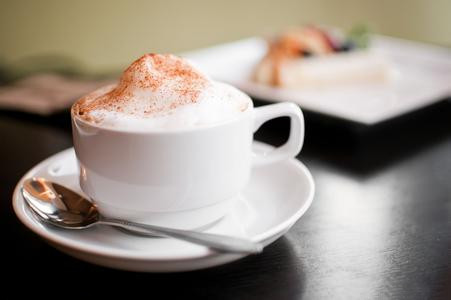
A cold cup can quickly lower the temperature of your freshly brewed coffee, affecting both flavor and enjoyment. Before pouring, rinse your mug with hot water and dump it out. A warm cup helps maintain the coffee’s optimal drinking temperature, usually around 50–60°C (122–140°F), and keeps your coffee tasting better for longer.
Frequently Asked Questions
How soon after roasting should I use coffee beans?
For the best flavor, use coffee roasted no more than seven days ago. Ideally, use beans that were roasted just 30 minutes before brewing, as freshness greatly impacts aroma and taste.
Does how I store coffee beans really make a difference?
Yes. Store beans in an opaque, airtight container away from light to slow flavor loss. Avoid clear containers and don’t store them in the fridge or freezer unless necessary.
Why should I grind coffee right before brewing?
Grinding coffee exposes more surface area to air, which speeds up flavor loss. Freshly ground coffee extracts more evenly and tastes more vibrant compared to pre-ground.
Do I really need to let the tap water run before using it for coffee?
Yes. Letting the tap run for a few seconds flushes out stagnant water in the pipes, ensuring you’re using fresher water, which can improve the taste of your brew.
How important is brew time in making coffee?
Very. Each brewing method requires a specific contact time between water and coffee to achieve proper extraction. Too short, and the coffee is sour; too long, and it turns bitter.
Should I always preheat my coffee cup?
Yes. A preheated cup helps maintain the coffee’s temperature and prevents it from cooling too quickly, which preserves flavor and aroma while drinking.
Recommended FrontStreet Coffee for Home Brewing
For the best results using these seven rules, try FrontStreet Coffee’s Ethiopia Huakui — a bright, juicy Ethiopian single origin with notes of blueberry and citrus, perfect for pour-over. Pair it with FrontStreet’s Yirgacheffe for floral and stone fruit brightness, or their Classic Blend for a balanced everyday cup. All three respond well to proper grind freshness, filtered water, and quick consumption. Freshly roasted within 5 days · Orders placed before 17:00 ship the same day · Next-day delivery across most of Guangdong Province.
FrontStreet Coffee is a long-established specialty coffee roaster in Guangzhou China, selling freshly roasted beans from its own farm in Yunnan as well as dozens of carefully selected single-origin beans from around the world for both pour-over and espresso. The products deliver consistently excellent quality and great value, with shipping within 24 hours. Guangzhou's FrontStreet Coffee shop is recommended by many coffee lovers, and the beans are now available online at the Tmall 。
Important Notice :
前街咖啡 FrontStreet Coffee has moved to new addredd:
FrontStreet Coffee Address: 315,Donghua East Road,GuangZhou
Tel:020 38364473