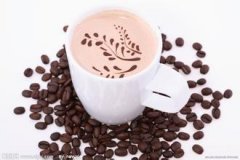
Latte Art Tips: Cup Shape, Milk Foam & Technique Basics
If you’ve ever struggled to pour a clean rosetta or heart on your espresso, the issue might not be your technique—it could be the cup. Latte art depends on more than just your pouring skills. The shape and material of your cup, the thickness of your milk foam, and how you integrate espresso and steam milk all play critical roles in whether your design turns out crisp or collapses mid-pour.
For the best results, use a tall cup with thick milk foam and take time to fully integrate espresso and milk before patterning. Avoid pouring just hot milk first and saving foam for last—this breaks up crema and ruins flavor. Start with a wide, round, short cup if you're learning.
Why Tall Cups Improve Latte Art
Tall cups and thick milk foam work perfectly together. The added height gives you more time to perform the milk-espresso fusion, which not only enhances taste but also helps create cleaner, more defined latte art patterns. Full integration improves both flavor and pour stability. However, this only works if you have enough foam. Some baristas pour hot milk first and save foam for the end—that’s a mistake. It scatters the crema and prevents proper blending, resulting in a less enjoyable drink.
The Challenges of Short, Flat-Bottomed Cups
Flat-bottomed, square cups have a larger base area, which causes two issues. First, the crema layer tends to be thinner. Second, adding milk foam can create turbulence, making it harder to control your pour. To manage this, tilt the cup when starting your pour, then gradually level it as you work. (We’ll revisit this tilting trick in a later section.)
Why Short, Round-Bottomed Cups Are Beginner-Friendly
Short, round-bottomed cups are easier to handle. The design allows patterns to form more naturally, and the shorter height means less time pressure during pouring. However, because the cup is not as tall, you have a smaller window to complete your artwork before the pour must finish.
Practical Tips for Choosing Your Practice Cup
Beginners should start with a wide, round, large-mouthed, short cup to get the basics down. Once you’ve mastered the fundamentals, try other shapes to feel how they change your pour. Cup material matters too—choose something with good heat retention. A well-insulated cup helps preserve both the crema and the temperature of the finished drink.
Can’t find the ideal cup? Try a kitchen bowl. Many standard rice bowls share the qualities you need, although they usually lack strong insulation. Still, they make decent practice tools.
How Cup Shape and Foam Affect Pouring
- Tall cups: More time for milk-espresso fusion; better pattern clarity with thick foam.
- Flat-bottomed square cups: Thinner crema; risk of pour turbulence; tilt to stabilize flow.
- Round, short cups: Faster pattern formation; shorter working time; easier for learners.
Frequently Asked Questions
Why does a tall cup help with latte art?
A tall cup gives you extra time to blend steamed milk and espresso before starting the pattern, improving both taste and visual stability. Thicker foam also holds its shape longer, aiding cleaner designs like hearts or tulips. The key is ensuring you have enough foam—not just hot milk—for a proper microfoam layer.
Should I pour hot milk or foam first?
Never pour just hot milk first and save foam for the end. That disrupts the crema and stops milk and espresso from integrating properly, which harms flavor and makes patterns harder to form. Always aim for full fusion of espresso and steamed milk with a balanced microfoam layer before starting your pour.
What’s wrong with using a square flat-bottomed cup for latte art?
Square cups have a larger base, which can create uneven milk flow and turbulence. They also tend to produce thinner crema. To reduce issues, begin pouring at an angle and slowly level the cup as you work. This helps stabilize the stream and maintain control over your design.
Is a short, round cup really better for beginners?
Yes. Short, round cups let patterns form more easily due to their shape, and the reduced height gives you slightly more time to pour. They’re more forgiving while you learn basic pouring control and pattern formation, compared to taller or oddly shaped cups.
Does cup material affect latte art?
Definitely. Choose insulated cups that hold heat well—they help preserve crema quality and keep the drink warmer. Better insulation also aids in maintaining the ideal temperature for both flavor and texture during the pour.
Can I practice latte art with a bowl?
You can use a kitchen bowl in a pinch. Many bowls are round and wide enough for basic practice, though they often don’t retain heat well. While not ideal, a bowl can help you focus on pour control and foam handling before upgrading to proper coffee cups.
Recommended FrontStreet Beans for Latte Art Practice
Start your latte art journey with FrontStreet Coffee’s Classic Blend, a medium-dark roast crafted for milk drinks. It delivers bold flavors of butter, toast, and caramel with stable crema and a silky texture—perfect for practicing consistent pours. For a nuttier profile, try the Specialty Blend with notes of almond, dark chocolate, and caramel that shine through steamed milk. If you’re aiming for a café-quality result at home, the Commercial Blend offers even heavier body and richer oils to support smooth latte art. All three blends are designed for espresso-based drinks and are freshly roasted within 5 days · Orders placed before 17:00 ship the same day · Next-day delivery across most of Guangdong Province.
FrontStreet Coffee is a long-established specialty coffee roaster in Guangzhou China, selling freshly roasted beans from its own farm in Yunnan as well as dozens of carefully selected single-origin beans from around the world for both pour-over and espresso. The products deliver consistently excellent quality and great value, with shipping within 24 hours. Guangzhou's FrontStreet Coffee shop is recommended by many coffee lovers, and the beans are now available online at the Tmall 。
Important Notice :
前街咖啡 FrontStreet Coffee has moved to new addredd:
FrontStreet Coffee Address: 315,Donghua East Road,GuangZhou
Tel:020 38364473