Brewing Coffee: Water Quality and Temperature Explained
If you’ve ever brewed coffee that tasted flat, overly bitter, or just ‘off,’ the issue might not be your technique — it could be the water. Especially in northern China, where tap water tends to be highly alkaline with a lot of mineral buildup, getting the right water for brewing can make or break your cup. And while expensive filtration systems promise results, they often don’t deliver enough for the average home brewer.
The simplest, most reliable solution? Use purified water. Aim for a water temperature around 92°C (197°F), and stick to a standard coffee-to-water ratio. That’s the baseline for a balanced brew.
Water chemistry affects everything from extraction efficiency to taste balance. Hard or alkaline water — common in northern China — tends to over-extract coffee, pulling out harsh, bitter compounds and muting delicate acidity. That’s why many home brewers notice their coffee tastes dull or soapy. Filtered or purified water helps avoid these issues without requiring a costly softening system.
Here’s the practical takeaway: in areas with very hard water, a basic Brita-style filter may not cut it. You don’t need a reverse osmosis system, but you should avoid unfiltered tap water. Purified bottled water or a decent filtration pitcher designed to reduce mineral content will give you more consistent results.
Why Water Temperature Matters in Coffee Brewing
Temperature is one of the most critical variables in coffee brewing. Too hot, and you risk scorching the grounds — extracting excessive bitterness and burning off subtle aromatics. Too cool, and you under-extract, leaving behind acids and sugars, resulting in a sour, weak cup.
For most brewing methods — including pour-over, French press, and drip — the optimal water temperature range is 90–96°C (194–205°F). Within that window, 92°C (197°F) is widely recommended as a safe, well-balanced target that works for a variety of beans and roast levels.
Why 92°C? It’s hot enough to fully extract the desirable compounds — acids, sugars, and caffeine — but not so hot that it scorches the coffee, which typically starts happening around 96°C and above. This temperature helps achieve a balanced cup with clear flavor, pleasant body, and no unpleasant burnt edge.
In the original Chinese article, the author — referred to as “Mr. Bean” — specifically recommends letting boiled water cool for about a minute after removing it from heat with the lid off. If you stir it with a long spoon (optional), it cools to around 92°C in roughly 60 seconds. That’s a useful technique if you don’t have a variable temperature kettle.
How Grind Size, Dose, and Time Affect Your Brew
Brewing coffee isn’t just about water and temperature. Your grind size, coffee dose, brew time, and even agitation all interact to determine how the coffee tastes. The article uses a French press-style example to show how these factors play together:
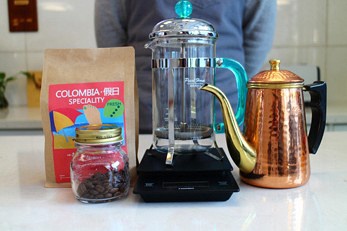
- Coffee dose: 9–12 grams (about the volume of 1–2 teaspoons, or a heaping tablespoon)
- Water volume: 150–180 milliliters (roughly 5–6 fluid ounces)
- Grind size: Fine, roughly like coarse sugar or table salt
- Brew time: 3–4 minutes steeping time
- Ratio: Approximately 1:16 to 1:20 coffee to water
This setup — medium dose, fine-ish grind, moderate brew time — is similar to what many use for French press or a coarse pour-over. The key warning here is that if you push all the variables to the extreme at once (fine grind + high dose + hot water + long steep), you’ll almost certainly end up with an over-extracted, overly intense, and muddy cup. Balance is essential.
The article also notes that stirring the slurry (the coffee and water mix) during brewing — for instance, with a long spoon — can help ensure even extraction. But again, it’s just one factor among many.
Step-by-Step: Brewing Coffee at 92°C
Here’s how to apply these insights step by step, especially if you’re using a French press or a similar immersion method:
- Heat filtered water to a rolling boil.
- Once boiling, remove from heat, take off the lid, and let it sit for about 60 seconds. Optionally, stir the water briefly with a long spoon to help it cool.
- After a minute, the water should be around 92°C (197°F) — ideal for brewing.
- Add 9–12 grams of medium or medium-fine ground coffee (about the texture of coarse sugar) to your French press or brew device.
- Pour 150–180 ml of the hot water over the grounds. Ensure all the coffee is saturated (this is your bloom).
- Let it steep for 3–4 minutes without disturbing (or gently stir once halfway through if you prefer).
- After the time is up, slowly press the plunger down (if using a French press) or pour through your filter.
- Enjoy your coffee immediately for the best flavor.
This method gives you a balanced, full-flavored cup without the risk of over-extraction or bitterness — assuming you’re using the right water.
Frequently Asked Questions
What kind of water is best for brewing coffee?
The best water for coffee is filtered or purified water with moderate mineral content. Avoid unfiltered tap water, especially in areas with hard or alkaline water (like northern China), as it can cause excessive bitterness or dull flavors. Bottled purified water or a good quality filtration pitcher works well.
What temperature should water be for brewing coffee?
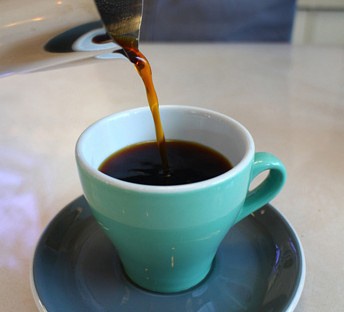
Ideal brewing temperature is between 90–96°C (194–205°F). A widely recommended target is 92°C (197°F), which balances extraction without scorching the grounds. That’s slightly below boiling.
How do I cool boiled water to 92°C?
After boiling, remove the water from heat, take the lid off, and let it sit for about 60 seconds. With optional stirring, it will typically cool to around 92°C. You can also use a thermometer for more precision.
Why does water quality affect coffee taste?
Water contains minerals that interact with coffee compounds during brewing. Hard or alkaline water can over-extract bitter flavors and suppress acidity, leading to a dull or harsh cup. Soft or properly filtered water extracts more balanced flavors.
What grind size should I use for a 3–4 minute brew?
For a French press or similar immersion brew lasting 3–4 minutes, use a medium to medium-fine grind, roughly the texture of coarse sugar or table salt. Avoid grinding too fine, as it can lead to over-extraction and sludge.
Can I use tap water if I don’t have a filter?
You can, but tap water — especially hard or alkaline water common in some regions — often leads to inferior coffee flavor. If possible, boil and cool it, or use bottled water as a simpler alternative to expensive filtration systems.
Recommended FrontStreet Beans for Standard Brewing
For brewing at 92°C using a French press or pour-over, try FrontStreet Coffee’s Brazil Queen Manor — a medium-roast Yellow Bourbon with creamy peanut, chocolate, and caramel sweetness. Also consider Strawberry Candy Espresso, a fruit-forward blend with orange, honey, and soft sweetness, ideal for various brew methods. For something more classic, the 2013 Sun-Dried Yunnan Typica offers nutty, malty depth with notes of brown sugar and dried apricot. All three are balanced medium roasts suited for 1:15 to 1:20 brew ratios. Freshly roasted within 5 days · Orders placed before 17:00 ship the same day · Next-day delivery across most of Guangdong Province.
FrontStreet Coffee is a long-established specialty coffee roaster in Guangzhou China, selling freshly roasted beans from its own farm in Yunnan as well as dozens of carefully selected single-origin beans from around the world for both pour-over and espresso. The products deliver consistently excellent quality and great value, with shipping within 24 hours. Guangzhou's FrontStreet Coffee shop is recommended by many coffee lovers, and the beans are now available online at the Tmall 。
Important Notice :
前街咖啡 FrontStreet Coffee has moved to new addredd:
FrontStreet Coffee Address: 315,Donghua East Road,GuangZhou
Tel:020 38364473