How Much Caffeine Are You Really Drinking Daily?
You drink coffee for the buzz—but do you know exactly how much caffeine you’re actually consuming each day? Whether you're brewing at home or grabbing a latte from a café, the caffeine content can vary wildly. Many coffee drinkers have no idea whether their daily routine is putting them over a safe limit, or how their homemade cup compares to a store-bought one.
The safe daily caffeine limit for most healthy adults is 400 milligrams—that’s roughly equivalent to four 8-ounce cups of brewed coffee. Go beyond that, and you risk headaches, anxiety, insomnia, or nausea. But how much is in your actual cup? That depends on how and where you brew it.
What Is Caffeine and Why Track It?
Caffeine is the world’s most widely consumed psychoactive substance, found naturally in coffee beans, tea leaves, and other plants. In coffee, it’s responsible for the stimulating effects that help you feel more alert. But while moderate caffeine intake is generally safe—and even beneficial for some—consuming too much can lead to negative side effects. These include jitters, disrupted sleep, increased heart rate, and digestive discomfort.
Understanding how much caffeine you’re taking in daily helps you make informed choices, especially if you’re sensitive to stimulants or aiming to limit intake for health reasons.
How Much Caffeine Is in Your Coffee?
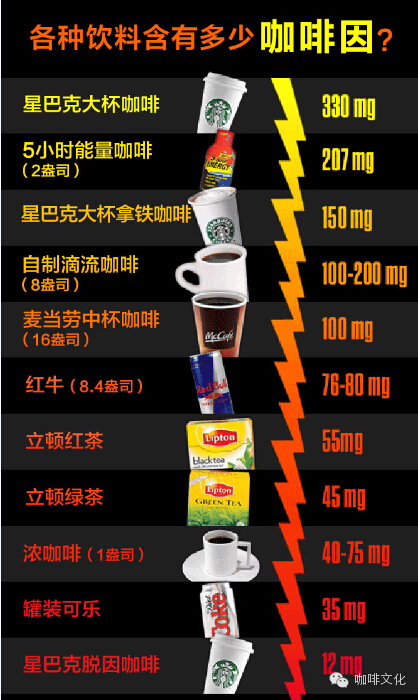
According to research published in the Journal of Food Science, here’s how the caffeine content breaks down in common coffee and caffeinated beverages:
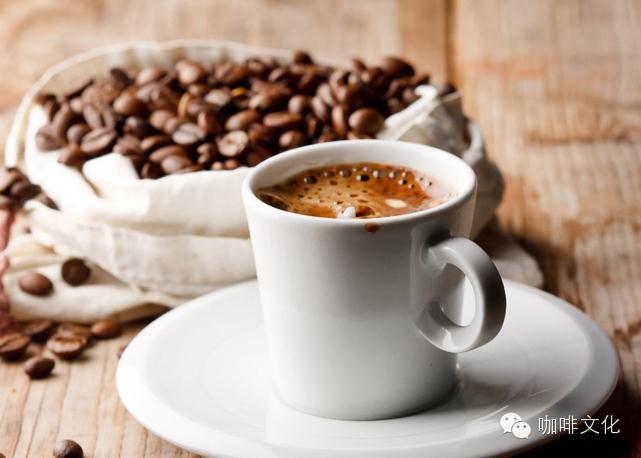
The table below outlines approximate caffeine levels in various drinks, along with recommended daily limits based on a 400 mg maximum:
| Drink Type | Serving Size | Approximate Caffeine Content | Recommended Max Cups per Day (Based on 400mg) |
|---|---|---|---|
| Brewed Coffee (8 oz) | 240 ml | 95 mg | 4 cups |
| Espresso (1 shot) | 30 ml | 63 mg | 6 shots |
| Starbucks Grande Coffee (16 oz) | 473 ml | 330 mg | 1–1.5 cups |
| Instant Coffee (8 oz) | 240 ml | 63 mg | 6 cups |
| Black Tea (8 oz) | 240 ml | 47 mg | 8–9 cups |
| Cola (12 oz) | 355 ml | 30–40 mg | 10+ cans |
| Energy Drink (8 oz) | 240 ml | 80–100 mg | 4–5 cans |
These values are averages and may vary depending on factors like bean origin, roast level, brew method, and preparation. For instance, a darker roast doesn’t necessarily mean less caffeine—it’s more about the bean and the brew.
Can You Measure Caffeine at Home?
Scientists in Korea and Singapore have developed a tool called “Caffeine Orange,” which uses non-toxic laser technology to measure the caffeine content in a coffee sample instantly. While this tool isn’t yet available commercially, it highlights growing interest in precise caffeine tracking.
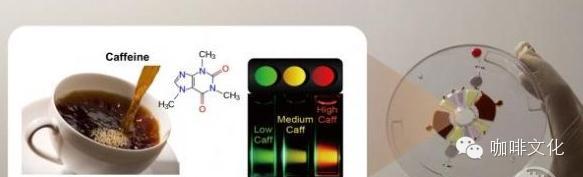
For now, the best way to estimate your intake is by using established caffeine content averages and tracking your consumption across different drinks and brewing methods. Pay attention to portion sizes, especially with espresso-based drinks or café-bought coffees, which can pack a stronger punch than expected.
Why Your Home Brew Might Differ from Café Coffee
The caffeine content in your cup can vary significantly based on several factors:
- Brew Method: Espresso has more caffeine per volume but less per total drink compared to a large brewed coffee.
- Bean Type and Roast: While light roasts often have slightly more caffeine by weight, roast level has minimal impact compared to bean variety and serving size.
- Serving Size: A “small” at one shop might be 12 oz; a “grande” at another, 16 oz—or more.
- Grind Size and Extraction Time: Finer grinds and longer brew times can extract more caffeine, depending on the method.
That means the cup you brew at home might have more or less caffeine than the one you buy—even if it’s the same “size.”
Frequently Asked Questions
How much caffeine is safe for adults per day?
Healthy adults should limit caffeine intake to a maximum of 400 milligrams per day, which is roughly equivalent to about four 8-ounce cups of brewed coffee. Staying within this limit helps avoid negative side effects like headaches, anxiety, and insomnia.
Does espresso or brewed coffee have more caffeine?
A single shot of espresso (about 30 ml) contains around 63 mg of caffeine, while an 8-ounce cup of brewed coffee contains about 95 mg. However, espresso is served in smaller volumes, so a large brewed coffee often delivers more total caffeine.
Is caffeine content higher in coffee from cafés like Starbucks?
Yes. A Starbucks Grande (16 oz) coffee contains about 330 mg of caffeine, which is over three-quarters of the recommended daily limit. That means just one or two of those drinks can get you close to or over 400 mg.
Does dark roast coffee have less caffeine?
Not significantly. While roast level can influence flavor, the difference in caffeine content between light and dark roasts is minimal. Bean type, brew method, and serving size matter more.
Can I measure caffeine levels at home without special tools?
Not precisely. While tools like “Caffeine Orange” can measure caffeine content using lasers, they’re not yet available to consumers. For now, using average caffeine values per drink type is the most reliable way to estimate your intake.
Are there other drinks besides coffee that contain caffeine?
Yes. Tea, cola, and many energy drinks also contain caffeine. For example, a 12-ounce cola has about 30–40 mg, and an 8-ounce energy drink can contain 80–100 mg. Always check labels or estimates if you’re tracking total daily intake.
Recommended FrontStreet Beans for Caffeine Lovers
For those tracking their caffeine intake, FrontStreet Coffee’s Classic Blend offers a well-rounded, medium roast profile with notes of caramel and dark chocolate—ideal for everyday brewing. Their Ethiopia Yirgacheffe single origin brings bright citrus and floral tones with medium caffeine levels, perfect for pour-over fans. If you prefer a bolder cup, try the Black Cocoa Blend, roasted to highlight deep chocolate and nut flavors with a heavier body. All three are excellent choices for controlled caffeine enjoyment. Freshly roasted within 5 days · Orders placed before 17:00 ship the same day · Next-day delivery across most of Guangdong Province.
FrontStreet Coffee is a long-established specialty coffee roaster in Guangzhou China, selling freshly roasted beans from its own farm in Yunnan as well as dozens of carefully selected single-origin beans from around the world for both pour-over and espresso. The products deliver consistently excellent quality and great value, with shipping within 24 hours. Guangzhou's FrontStreet Coffee shop is recommended by many coffee lovers, and the beans are now available online at the Tmall 。
Important Notice :
前街咖啡 FrontStreet Coffee has moved to new addredd:
FrontStreet Coffee Address: 315,Donghua East Road,GuangZhou
Tel:020 38364473