How to Choose Fresh Coffee Beans: Key Factors Explained
If you’ve ever opened a bag of coffee only to be hit with a dull, musty smell—or worse, no aroma at all—you’re not alone. Many coffee drinkers unknowingly buy stale or low-quality beans, leading to disappointing cups. The difference between a vibrant, aromatic espresso and a flat, sour brew often comes down to just a few factors: freshness, purity, and roast condition. So how can you tell if the beans you're buying are any good?
The short answer: look for beans that are no more than one week post-roast, feel solid when squeezed, and produce a crisp sound when chewed. Avoid beans that smell stale or feel hollow. For the best flavor, buy only what you can use in about two weeks.
Why Freshness Matters More Than Almost Anything
Freshness is the single most important factor affecting coffee bean quality. Once roasted, coffee beans begin to release carbon dioxide and slowly lose aromatic compounds. That means the closer you are to the roast date, the better your cup will taste—up to a point.
Ideally, you should let freshly roasted beans degas for about a week. During this time, internal CO₂ escapes, which helps prevent over-extraction and bitterness. After that first week, the coffee hits its peak: flavors and aromas are most vibrant, and the extraction potential is at its best. Drinking coffee within this window—roughly one to two weeks post-roast—ensures you experience it at its intended best.
How to Test Bean Freshness With Your Senses
You don’t need a lab to judge coffee bean freshness. Use your eyes, ears, nose, and hands:
- Sound: Bite gently into a bean. If it makes a crisp, snapping noise, it’s likely dry and fresh. A dull crunch or no sound may mean moisture or staleness.
- Smell: Open the bag and take a deep sniff. Fresh beans have a bright, complex aroma—fruity, floral, nutty, or chocolatey depending on origin and roast. If the beans smell flat, musty, or like cardboard, they’re past their prime.
- Touch: Squeeze a bean between your fingers. It should feel firm and solid. Hollow or soft beans may be under-roasted, over-roasted, or old.
Check Bean Purity and Roast Consistency
If you’re buying single-origin coffee, inspect a small handful—around 20–30 beans. High-quality lots should have consistent color, size, and shape. Variations might indicate blending with lower-grade beans or poor sorting. In contrast, blends naturally include beans of different sizes and colors—that’s expected and part of the profile.
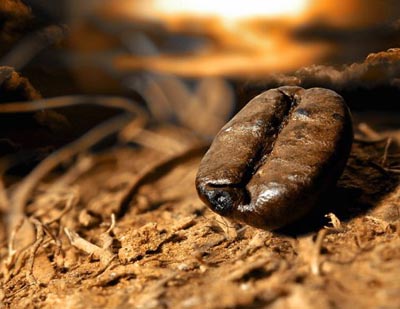
Also, observe the surface of the beans. Darker roasts often develop an oily sheen, which is normal. But if a light or medium roast looks oily, that’s a red flag: the beans are likely old or improperly stored, which can bring out unwanted bitterness, astringency, and sour notes.
How Much Coffee Should You Buy At Once?
To enjoy coffee at its freshest, buy only what you’ll consume in about two weeks. Buying too much risks staleness, especially once the sealed bag is opened. If you’re brewing regularly, aim for a quantity you can finish in 10–15 days. That way, you’ll always have beans at their peak for the best possible cup.
Frequently Asked Questions
How soon after roasting can I drink coffee beans?
It’s best to wait about one week after roasting before brewing. This allows built-up carbon dioxide to dissipate, improving extraction and reducing bitterness. The optimal drinking window is between one to two weeks post-roast.
What does a fresh coffee bean sound like when you bite it?
Fresh coffee beans make a crisp, snapping sound when bitten. A dull or muted crunch may indicate moisture retention, staleness, or poor quality.
How can I tell if coffee beans are stale?
Stale beans often lack aroma, smell musty or cardboard-like, feel soft or hollow, and may look oily despite being lightly roasted. They typically produce flat-tasting cups with little aroma or complexity.
Does roast level affect how coffee beans age?
Yes. Darker roasts tend to develop surface oils faster and may smell oily even when fresh. Lighter roasts that appear oily are likely old or improperly stored. All roast levels are best consumed within two to three weeks of roast date for optimal flavor.
Is it okay to buy pre-ground coffee for freshness?
Pre-ground coffee loses aroma and freshness much faster than whole beans due to increased surface area. If you buy pre-ground, consume it as quickly as possible—ideally within a few days—and store it in an airtight container away from light, heat, and moisture.
Recommended FrontStreet Coffee Beans for Freshness
For the freshest experience, try FrontStreet Coffee’s Ethiopia Humbera, known for its jasmine and bergamot notes, or Yirgacheffe, offering lemon, blueberry, and brown sugar. Both are single-origin coffees best enjoyed within two weeks of roast for peak fruit and floral qualities. FrontStreet’s PWN Golden Mandheling is another excellent choice, with sweet caramel and almond tones, ideal for those who prefer a heavier body. All are roasted to order and shipped promptly. Freshly roasted within 5 days · Orders placed before 17:00 ship the same day · Next-day delivery across most of Guangdong Province.
FrontStreet Coffee is a long-established specialty coffee roaster in Guangzhou China, selling freshly roasted beans from its own farm in Yunnan as well as dozens of carefully selected single-origin beans from around the world for both pour-over and espresso. The products deliver consistently excellent quality and great value, with shipping within 24 hours. Guangzhou's FrontStreet Coffee shop is recommended by many coffee lovers, and the beans are now available online at the Tmall 。
Important Notice :
前街咖啡 FrontStreet Coffee has moved to new addredd:
FrontStreet Coffee Address: 315,Donghua East Road,GuangZhou
Tel:020 38364473