How to Grind Coffee Beans for the Right Brew
Ever made coffee that tasted weak, bitter, or just plain off? More often than not, the problem isn’t the beans—it’s the grind. Getting your coffee grind size right is the second most important factor in making great coffee, right after using fresh beans. The wrong grind can ruin even the best-quality coffee, no matter how skilled you are at brewing.
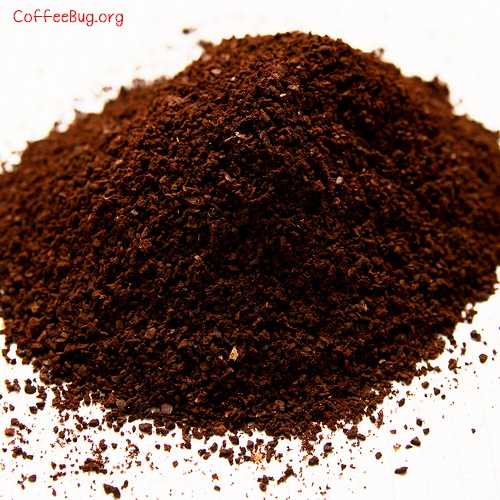
To put it simply: the finer the grind, the stronger and more intense the coffee; the coarser the grind, the lighter and more delicate the cup. But there’s a lot more nuance—and numbers—behind it.
Why Grind Size Matters in Coffee Brewing
Grind size directly controls how quickly water extracts flavor from coffee grounds. A fine grind creates more surface area, speeding up extraction. A coarse grind does the opposite. If your grind is too fine for the brew time, you risk over-extraction—resulting in bitter, harsh flavors. Too coarse, and you get under-extracted coffee: weak, sour, and thin.
The rule is straightforward: longer brew times need coarser grinds to slow extraction; shorter brew times need finer grinds to speed it up. This balance is what determines whether your cup tastes balanced—or unbalanced.
Brew Method Guide: Grind Size by Technique
Different brewing methods require different grind sizes. Here’s how it breaks down, based on typical brew times:
- French Press (3–4 minutes): Use a coarse grind. Think “chunky, like small gravel.” If using a hand grinder (like a propeller or blade type), grind for about 7–10 seconds. Too fine, and you’ll get sludge and a burnt taste.
- Pour Over / Siphon / Filter (1–2 minutes): A medium-fine grind, slightly finer than French press. Grind for around 10–15 seconds with a hand grinder. A dedicated burr grinder is strongly recommended.
- Moka Pot: A bit more complex. It brews faster than French press but slower than espresso. Aim for a medium-fine to fine grind, around 15–20 seconds on a hand grinder. Adjust based on heat: coarser for high heat, finer for low. Use a controlled heat source like an electric stove or alcohol lamp for best results.
Espresso Demands Precision: Enter the Double Gear Grinder
Most grinders—especially blade or basic burr types—can’t produce the consistent, fine grind needed for espresso. That’s where a double gear (conical burr) grinder comes in. These grinders, with two interlocking burrs driven by a powerful motor, allow you to adjust grind size with precision.
Here’s how the adjustment works: the top burr moves closer to or further from the bottom burr via a numbered dial. Turning counterclockwise (lowering the top burr) makes the grind finer; turning clockwise (raising it) makes it coarser. The lower the number on the dial, the finer the grind.
This level of control is essential for espresso, where even slight variations can make your shot sour, bitter, or weak. Without a proper double gear grinder, pulling a balanced, rich espresso shot is nearly impossible.
How to Spot a Good Espresso Shot (Without a Scale)
You can’t always rely on timers or visual cues alone—though they help. Here’s a general visual guide to espresso extraction quality, based on flow, color, and crema:
| Extraction Quality | Time (seconds) | Stream | Crema Color | Crema Thickness | Crema Texture | Aroma & Flavor |
|---|---|---|---|---|---|---|
| Under-extracted | 4–19 | Thin, watery | Pale to light gold | Very thin | Easily breaks | Flat, lacking |
| Ideal (Perfect) | 20–25 | Steady, thick | Golden to reddish brown | Thick (≥1/3) | Dense, cohesive | Rich, balanced |
| Over-extracted | 26–45 | Drippy, uneven | Dark brown to black | Very thin or none | Easily breaks | Bitter, harsh |
Note: Time, color, and texture give you clues, but the only true test is taste. If it doesn’t taste right, adjust your grind, dose, or tamp.
Frequently Asked Questions
What’s the best grind size for French press?
The ideal grind for French press is coarse—similar to small gravel or chunky sea salt. For home hand grinders, that’s around 7–10 seconds of grinding. Avoid going finer, or you’ll over-extract and get sludge and bitterness in your cup.
How fine should I grind coffee for pour over?
For pour over methods (like V60 or siphon), use a medium-fine grind, slightly finer than French press. Hand grinding for about 10–15 seconds usually works. A burr grinder gives more consistent results than a blade or propeller type.
What grind size does a moka pot need?
Moka pot coffee requires a medium-fine to fine grind, roughly 15–20 seconds on a hand grinder. Adjust based on your heat source: go coarser with high heat to avoid bitterness, or finer with gentle heat to improve extraction.
Why can’t I use any grinder for espresso?
Espresso requires an extremely fine, consistent grind. Basic grinders (like blade or single gear burr) can’t achieve the uniformity needed. A double gear (conical burr) grinder gives you the precision to adjust the grind finely and evenly, which is essential for balanced espresso extraction.
How do I know if my espresso shot is over or under extracted?
Check the shot time, color, and crema. Under-extracted shots (4–19 sec) look pale and watery with thin crema and taste weak. Ideal shots (20–25 sec) have golden-brown crema, a thick layer, and bold flavor. Over-extracted shots (26–45 sec) are dark, slow-dripping, with thin or no crema and bitter flavors.
Recommended FrontStreet Beans for Different Brew Methods
For French press, try FrontStreet Strawberry Candy Espresso—aGeisha with notes of rose, citrus, grape, and blueberry, offering sweet floral complexity. For pour over, FrontStreet PWN Golden Mandheling delivers spice, caramel, and dark chocolate with a full body. Both beans highlight how grind size and brew method shape flavor. Freshly roasted within 5 days · Orders placed before 17:00 ship the same day · Next-day delivery across most of Guangdong Province.
FrontStreet Coffee is a long-established specialty coffee roaster in Guangzhou China, selling freshly roasted beans from its own farm in Yunnan as well as dozens of carefully selected single-origin beans from around the world for both pour-over and espresso. The products deliver consistently excellent quality and great value, with shipping within 24 hours. Guangzhou's FrontStreet Coffee shop is recommended by many coffee lovers, and the beans are now available online at the Tmall 。
Important Notice :
前街咖啡 FrontStreet Coffee has moved to new addredd:
FrontStreet Coffee Address: 315,Donghua East Road,GuangZhou
Tel:020 38364473