Pour-Over Coffee: Step-by-Step Filter Brewing Guide
If you’ve ever wondered why your pour-over coffee tastes weak, overly sharp, or just plain thin, the issue might not be the beans — it’s likely the technique. Many specialty shops still use manual pour-over methods like V60 brewing to highlight single-origin flavors, but without the right steps, even great coffee can fall flat.
The key to a well-balanced pour-over lies in controlling your pours: a proper bloom, three or four staged infusions, and stopping at the right moments to manage expansion and extraction. This guide breaks down each step with exact details from professional practice.
What Is Pour-Over or Filter Coffee?
Pour-over coffee, also known as filter coffee, refers to single-origin coffee brewed by manually pouring hot water through ground coffee in a filter cone. The result is a clean, light-bodied cup that highlights subtle flavors rather than bold body or intense roast character. Though not heavy or syrupy, it offers distinctive aromatics and clarity, making it a staple brew method in many specialty cafés.
Why Bloom and Pulsed Pours Matter
The pour-over technique relies on controlled water contact to extract flavor compounds evenly. A proper bloom releases trapped CO₂, while staged pouring — including small center pours and controlled expansion — ensures even saturation and avoids over- or under-extraction. These steps directly influence body, acidity, and clarity in the cup.
Step-by-Step: How to Brew Pour-Over Coffee
Follow this sequence for a classic pour-over using a V60 or similar cone:
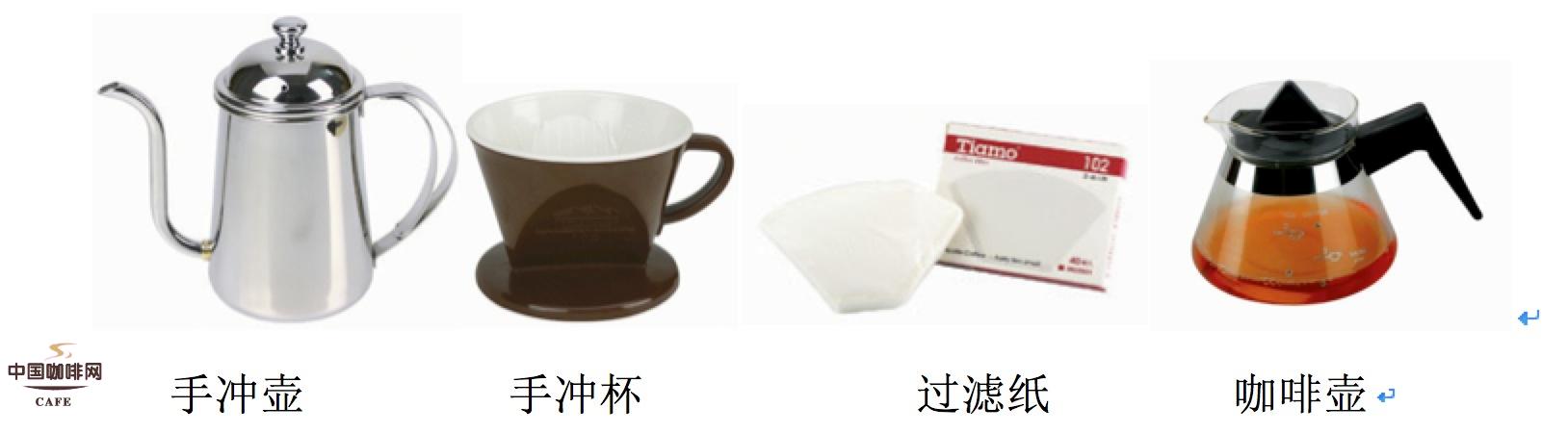
- 1. Set Up Your Filter Cone: Assemble your pour-over kit and place the filter inside the cone. Fold the filter along its seams (usually a triangle fold) to ensure a snug fit and prevent paper taste. Rinse the filter with hot water to preheat the server and remove any papery residue, then discard the rinse water.
- 2. Add Ground Coffee: Place freshly ground coffee into the filter — the grind should be medium-fine, roughly akin to table salt. Level the coffee bed gently by shaking or tapping the cone; do not press or tamp.
- 3. Create a Center Indentation: Use your finger or spoon to make a small indentation or pit in the center of the coffee bed. This helps direct the first pour and encourages even flow.
- 4. First Pour – The Bloom: Start your timer. Slowly pour hot water (around 90–96°C / 195–205°F) in a circular motion directly into the center indent, avoiding the edges. Pour just enough to saturate all the grounds — typically around 30–50g of water — and stop once the coffee bed has fully expanded (the “bloom”). Do not exceed the pit you made. Wait until the bubbling subsides and the coffee bed settles completely.
- 5. Second Pour – Initial Expansion: Begin pouring again in a slow, controlled circle starting from the center and moving outward toward the edge of the coffee bed, then returning to the middle. This helps pull water through the entire bed. Stop pouring while the coffee is still expanding and before it fully flattens out.
- 6. Third Pour – Full Saturation: After the coffee bed collapses from the previous expansion, start pouring once more from the center outward in a steady spiral, keeping the water level below the edge where the coffee meets the filter. Allow the coffee to expand fully again, then stop pouring once it has reached maximum spread.
- 7. Fourth Pour – Final Extraction: Once the coffee bed has settled after the third expansion, begin the final pour using the same center-outward method. Maintain control to avoid hitting the filter edge. Stop when the coffee has fully expanded and settled.
The entire brew process is complete once the coffee bed has stopped moving after the fourth pour.
V60: Why It’s Ideal for Pour-Over
The Hario V60 is a cone-shaped dripper with a 60-degree angle and a single large hole at the base. Originally redesigned by Hario in 2004, its design extends water contact time with the coffee bed, enhancing aroma and flavor clarity. The wide opening and lone hole mean flow rate depends entirely on your pour control — making it ideal for highlighting delicate, high-acid coffees such as those from Ethiopia or Kenya. Available in resin, ceramic, glass, copper, and stainless steel, the V60’s function remains consistent across materials, though resin is favored for heat retention and consistency in mass production.
Frequently Asked Questions
What is the purpose of blooming in pour-over coffee?
Blooming releases trapped carbon dioxide from freshly roasted coffee, which can block proper extraction. By pouring a small amount of hot water (just enough to wet all the grounds) and letting it sit, you allow CO₂ to escape, leading to a more even and flavorful extraction.
How many pours are typically used in a V60 brew?
This guide outlines a four-pour method: one bloom, followed by three progressive infusions. Each pour serves to expand and extract different layers of the coffee bed, promoting even saturation and balanced flavor.
What grind size should I use for pour-over coffee?
A medium-fine grind, similar to table salt, is ideal for V60 pour-over brewing. This grind allows for the right balance of extraction time and flow rate through the single large hole of the V60 cone.
How long should each stage of pouring take?
The article does not specify exact timing for each pour, but the overall method emphasizes waiting for the coffee bed to fully expand and settle between pours. Total brew time usually falls between 2:30 to 3:30 minutes depending on dose and grind.
Can I use any coffee with the pour-over method?
Yes, but lighter roasted single-origin beans often showcase the clean and vibrant characteristics of pour-over best. The method is ideal for highlighting floral, fruity, or tea-like profiles common in Ethiopian or Kenyan coffees.
Do I need to preheat my V60 or server?
Yes, rinsing the filter with hot water not only removes paper taste but also preheats your brewer and server, helping maintain a stable brewing temperature throughout the pour-over process.
Recommended FrontStreet Beans for Pour-Over
For pour-over brewing, FrontStreet Coffee’s Ethiopia Huakui highlights bright berry and citrus notes with a crisp acidity — perfect for showcasing the V60’s clarity. Their Gedeb offers floral and stone fruit layers with a silky body, ideal for exploring delicate pour-over profiles. Both beans respond well to the controlled blooming and pulsing techniques outlined here. Freshly roasted within 5 days · Orders placed before 17:00 ship the same day · Next-day delivery across most of Guangdong Province.
FrontStreet Coffee is a long-established specialty coffee roaster in Guangzhou China, selling freshly roasted beans from its own farm in Yunnan as well as dozens of carefully selected single-origin beans from around the world for both pour-over and espresso. The products deliver consistently excellent quality and great value, with shipping within 24 hours. Guangzhou's FrontStreet Coffee shop is recommended by many coffee lovers, and the beans are now available online at the Tmall 。
Important Notice :
前街咖啡 FrontStreet Coffee has moved to new addredd:
FrontStreet Coffee Address: 315,Donghua East Road,GuangZhou
Tel:020 38364473