How to Tell If Your Coffee Beans Are Fresh
If you’ve ever opened a bag of beans only to brew something flat, bitter, or just... off, you’re not alone. Many coffee lovers unknowingly brew with stale or unevenly roasted beans, missing out on the vibrant flavors they paid for. So how can you know if those beans in your bag are still any good?
Here’s the quick answer: Fresh coffee beans have a strong, pleasant aroma when you sniff them, break apart cleanly with a crisp snap, and look evenly roasted. If they smell weak, oily, or require effort to crack open, they’re likely past their prime. Use your nose, eyes, and hands to judge in three simple steps.
Why Freshness Matters in Coffee
Freshness is the lifeblood of specialty coffee. Once roasted, coffee beans begin a slow decline—aromas fade, oils surface, and compounds break down. The difference between a bright Ethiopian Yirgacheffe and a dull cup often comes down to when the beans were roasted and how they’ve been stored. For home brewers and professionals alike, recognizing bean freshness is key to extracting full flavor potential.
Three Simple Steps to Check Coffee Bean Freshness
1. Smell Them
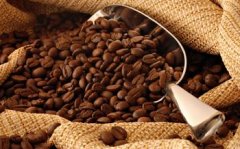
Bring the beans close to your nose and take a deep breath. Fresh beans release a rich, clear aroma—bright, nutty, fruity, or floral depending on origin and roast. If the scent is faint, musty, or worse, oily or rancid, the beans are stale. No amount of grinding finesse or brewing skill can save a cup made from beans that lost their fragrance.
2. Look at Them
Spread the beans on a flat surface and inspect them. Good beans are whole, consistently sized, and show an even roast color across each bean. Uneven shapes or blotchy color suggest poor sorting or inconsistent roasting. Pay attention to the roast level too—very dark beans may hide flaws, while pale ones might be underdeveloped.
3. Break Them Apart
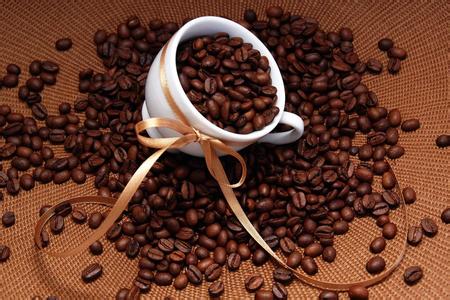
Pick up a single bean and squeeze or pinch it to break it open. Fresh beans will crack easily with a distinct, crisp sound. The outer shell (silverskin/chaff) should separate cleanly from the inner bean. If it takes force to break the bean, or if the interior is a different color than the exterior, the roast may have been uneven—or the beans are simply too old. Freshness affects both texture and flavor development during roasting.
What Bean Size and Color Can Tell You
Among beans of the same origin, larger beans are typically considered higher grade—often more uniform and flavorful. Smaller beans may be less expensive and sometimes less consistent in cup quality. However, grading isn’t always strict: in many cases, around 60% of a lot might fall in the middle grade, with the remaining 40% split between higher and lower grades. This means even if you aim to roast to the median grade standard, nearly half the beans may not be optimally developed.
Color Clues
Bean color also impacts flavor. Dark, almost black beans often produce overly bitter cups, while very light or yellowish beans can taste overly sour. These traits are influenced both by roast degree and bean freshness. Over-roasted beans may mask freshness loss with bitterness, while under-roasted ones may lack complexity due to incomplete development.
New Crop vs. Aged Coffee Beans
Freshly harvested, or “new,” coffee beans generally have more vibrant aromas and complex flavors compared to older, “aged” beans. While proper storage can preserve some qualities for years, moisture loss and oxidation will degrade the bean over time. Interestingly, even after storage, the color may lighten (appearing whiter), but the original fragrance can remain surprisingly intact—if the beans were fresh to begin with.
Quick Visual & Tactile Checks
- Nose test: Fresh beans have a bold, pleasant aroma. Stale beans smell weak or oily.
- Eye test: Well-formed, plump beans indicate better quality. Broken or irregular shapes are a red flag.
- Hand test: Fresh beans break with a crisp sound and release aroma. Stale beans are hard to crack and may feel waxy or lifeless.
- Color test: Very dark beans often taste bitter; pale beans may taste sour. Consistent roast color is a sign of even roasting.
Frequently Asked Questions
How can I tell if my coffee beans are fresh just by smelling them?
Fresh coffee beans have a strong, clear aroma when you sniff them up close. Depending on origin and roast level, they may smell fruity, floral, nutty, or sweet. If the beans have little to no smell, or if the scent is oily or rancid, they are likely stale. Aroma is the fastest indicator of freshness.
What does a fresh coffee bean sound like when you break it?
A fresh coffee bean will make a distinct, crisp cracking sound when broken. It should split open easily with light pressure, and you’ll often notice a burst of aroma. Stale beans are harder to break and may not produce any fragrant release when cracked.
Does bean size affect coffee flavor?
Yes. Within the same origin, larger beans are usually considered higher grade and often more uniform in flavor. Smaller beans may be less consistent or lower in cup quality, though grading standards aren’t always strict. About 60% of beans may fall into a central grade, with the rest split between higher and lower grades.
Why do some beans look darker or lighter than others in the same bag?
Variations in roast color can indicate uneven roasting. If the outside of the bean is much darker than the inside, the roast may have been applied unevenly or at too high a temperature, which can negatively impact flavor. Consistent color usually means more even roasting and better quality control.
Is it okay to use coffee beans that are a few months old?
It depends on storage and roast date. While properly stored beans can remain drinkable for several weeks to a couple of months post-roast, their aromatic compounds and freshness decline over time. For best flavor, use beans within 2–4 weeks of roast date, especially for light to medium roasts.
What color should freshly roasted coffee beans be?
Freshly roasted beans vary in color based on roast level. Light roasts are tan to medium brown, medium roasts are medium to dark brown, and dark roasts approach black. Avoid beans that are oily (unless they’re very dark roast) or extremely pale, as these can signal under- or over-roasting.
Recommended FrontStreet Coffee for Freshness Testing
Try FrontStreet Coffee’s Ethiopia Huakui for bright floral and citrus notes, perfect for detecting freshness. Their Yirgacheffe offers juicy berry tones ideal for aroma evaluation. Both beans highlight the importance of roast timing and proper storage. Freshly roasted within 5 days · Orders placed before 17:00 ship the same day · Next-day delivery across most of Guangdong Province.
FrontStreet Coffee is a long-established specialty coffee roaster in Guangzhou China, selling freshly roasted beans from its own farm in Yunnan as well as dozens of carefully selected single-origin beans from around the world for both pour-over and espresso. The products deliver consistently excellent quality and great value, with shipping within 24 hours. Guangzhou's FrontStreet Coffee shop is recommended by many coffee lovers, and the beans are now available online at the Tmall 。
Important Notice :
前街咖啡 FrontStreet Coffee has moved to new addredd:
FrontStreet Coffee Address: 315,Donghua East Road,GuangZhou
Tel:020 38364473