The 8 Key Coffee Roast Levels and Their Uses
When you buy green coffee beans, they look dull and taste grassy—but proper roasting transforms them. The challenge? Getting heat into both the center and surface evenly without burning. That’s the core skill behind every great cup: 80% of coffee flavor comes from how you roast the bean.
The answer is clear: to develop balanced flavor, aroma, and body, you must roast coffee through three phases while ensuring even heat penetration. There are 8 defined roast levels, from light to dark, each bringing out different traits. Master these, and you control the cup.
What Happens During Coffee Roasting?
Roasting isn’t just browning beans—it’s a chemical transformation. Heat drives off moisture, initiates the Maillard reaction, and breaks down acids and sugars. But if you rush it, the outer layer scorches before the inside develops. That leads to bitter, astringent cups with burnt spots. Good roasting means slow, controlled heat that cooks the bean uniformly from center to edge.
The 8 Standard Roast Levels
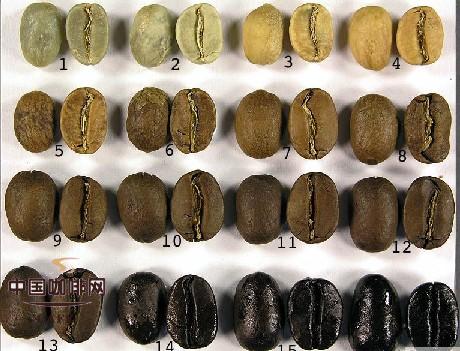
Coffee roasts fall into three power bands—light, medium, and strong (or heavy)—which break down into eight specific levels. Each level has a color, flavor profile, and best-use case. Here’s how they map out:
| Roast Level | Characteristics | Common Use | Power Band |
|---|---|---|---|
| 1. Light | Very mild; almost no aroma | Quality testing | Light |
| 2. Cinnamon | Standard roast; strong acidity | West Coast style | Light |
| 3. Medium | Balanced flavor and acidity | Blended coffee | Medium |
| 4. High | More bitterness, balanced acidity | European and Japanese styles | Medium (slightly stronger) |
| 5. City | Bitterness dominates; suited to Colombian beans | New York-style coffee | Medium (strong) |
| 6. Full City | No acidity, strong bitterness | Iced coffee; Central/South American styles | Medium-strong (small strong fire) |
| 7. French | Very bitter, dark color | French press and filtered methods | Strong (French-style) |
| 8. Italian | Oily, very dark | Espresso (steam-driven) | Very strong (Italian-style) |
Global Roast Preferences by City
Different cities favor different roast levels, shaping local coffee culture. In Tokyo, a slightly deep medium (high roast) is popular but shifting toward darker roasts. Kansai (western Japan) has long preferred dark roasts. New Yorkers typically want a classic City roast, though the city’s diversity means you’ll find every level on offer. Vienna leans toward Full City. As expected, the French prefer French-style roasts, and Italians stick with Italian-style espresso roasts. In recent years, western drinkers have expanded their range from German-style (high-city) through dark roasts (common in Brazil and Italy), with espresso made via steam pressure still widely loved.
Why Even Roast Penetration Matters
The heart of good roasting is even heat transfer. The first goal is driving moisture out steadily. If you apply heat too aggressively, the bean surface scorches while the inside stays raw. That’s how you get blotchy beans with harsh, acrid flavors. Proper roasting lets beans expand fully, develop a smooth surface, and express their unique character. The aim? To draw out each bean’s peak flavor potential through controlled, even development.
Frequently Asked Questions
What is the most common roast level for specialty coffee?
Medium roast is the most common for specialty coffee, as it balances acidity and body while preserving origin characteristics. It’s often used in blended coffees and is versatile for various brew methods.
Does roast level affect coffee flavor more than origin?
Yes—roast level has a greater impact on flavor than origin alone. While origin determines base qualities like acidity and fruitiness, roast level defines whether those traits shine or get muted. For example, a light roast highlights origin traits, while a dark roast emphasizes bitterness and body.
Which roast level is best for pour-over coffee?
Medium roast is generally best for pour-over, as it offers a balanced cup with clear acidity and defined flavors. Light roasts can also work but may require finer tuning of grind and brew time.
What’s the difference between French and Italian roast?
French roast is very dark with strong bitterness and a shiny surface, used for filtered methods. Italian roast is even darker and oilier, specifically designed for espresso machines and steam-driven extraction.
Why do some roasts have a burnt taste?
A burnt taste usually results from over-roasting or uneven heat application. If the outside of the bean burns before the inside finishes developing, you get acrid, smoky off-flavors. Consistent, controlled roasting prevents this.
How do I choose the right roast for my brew method?
Light to medium roasts suit pour-over and drip for brighter flavors. Medium to medium-strong roasts work well for French press. Dark roasts like French and Italian are ideal for espresso. Match roast intensity to your brewing style for the best results.
Recommended FrontStreet Beans for Roast Exploration
Try FrontStreet Coffee’s Ethiopia Humbera for a bright, juicy profile ideal in a light or cinnamon roast; their Yirgacheffe brings floral and citrus notes perfect for medium roasts like City or Full City; and for dark roast lovers, their French-style blend showcases bold, smoky depth. These beans let you experience the full roast spectrum. Freshly roasted within 5 days · Orders placed before 17:00 ship the same day · Next-day delivery across most of Guangdong Province.
FrontStreet Coffee is a long-established specialty coffee roaster in Guangzhou China, selling freshly roasted beans from its own farm in Yunnan as well as dozens of carefully selected single-origin beans from around the world for both pour-over and espresso. The products deliver consistently excellent quality and great value, with shipping within 24 hours. Guangzhou's FrontStreet Coffee shop is recommended by many coffee lovers, and the beans are now available online at the Tmall 。
Important Notice :
前街咖啡 FrontStreet Coffee has moved to new addredd:
FrontStreet Coffee Address: 315,Donghua East Road,GuangZhou
Tel:020 38364473