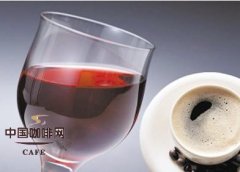
How the Italian Coffee Craze Took Over 2000s Fashion Circles
It started without much fanfare—one morning you walked into a bookstore, then a mall, then your favorite online forum, and suddenly everyone was talking about Italian coffee. The once elite taste for rare single-origin pour-overs had given way to a full-blown cultural shift: stylish youths weren’t just sipping coffee, they were obsessed with the bold, pressurized intensity of espresso-based drinks.
If you wanted to know where the Italian coffee craze really took off, look no further than the early 2000s—when cappuccinos dusted with cinnamon, lattes flooding cafés, and the elusive art of ordering just an espresso turned you into a caffeine connoisseur overnight.
The Rise of Italian-Style Coffee in Urban Youth Culture
Once upon a time, literary types would joke that you could get hit by a falling poet’s signboard. By the year 2000, the new punchline was that you couldn’t turn a corner without seeing a new Italian coffee shop. The once-exclusive preference for Jamaican Blue Mountain gave way to a collective embrace of high-pressure, rich-bodied espresso. What was once a quiet appreciation for Japan-style siphon brews turned into an all-out love affair with the thick, velvety crema and intense flavors of Italian-style extraction.
From Cappuccino to Espresso: Mapping the Trend
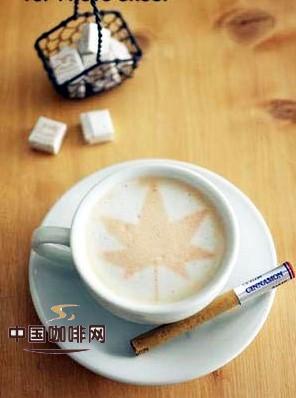
The fever began with the humble cappuccino, sprinkled generously with cinnamon. Soon, lattes became the drink of choice, their milky warmth and cafe latte art winning over the masses. But true trendsetters? They went against the grain. Ordering just an espresso? That earned you a nod of respect from the usually silent barista behind the steam wand. The movement wasn't just about caffeine—it was a whole aesthetic, complete with clean windows, industrial interiors, and an undeniable cool factor.
Why Italian Coffee Became the Drink of a Generation
This wasn’t just a passing fad. Italian coffee became a cultural staple. Independent cafés popped up one after another. Big business took notice too—corporate chains snapped up prime real estate in office towers and shopping centers to set up flagship stores. Even the nation’s caffeine curiosity spiked. People devoured books about European café culture, debated brewing methods online, and some enthusiasts even conducted controlled experiments on espresso techniques, culminating in a cult classic called Italian Coffee Experiments.
Coffee Knowledge and the Birth of a Subculture
In this new world, knowledge was power. The average coffee drinker wasn’t just looking for a jolt—they wanted to understand roast levels, extraction science, and crema formation. The shift mirrored broader lifestyle changes: gone were the days of instant Nestlé granules and studying in McDonald’s. By the early 2000s, the stylish crowd had fully embraced an “Italian coffee stomach”—a hunger for espresso, cappuccino, and latte that went beyond the drink itself and into identity.
What Really Creates Great Crema in Espresso?
For those diving deeper into the mechanics of Italian-style coffee, crema—the golden-brown foam atop a well-pulled espresso—is everything. It’s not just visual flair; it impacts flavor and mouthfeel too. Crema forms when hot water under pressure extracts soluble compounds from the coffee grounds, emulsifying the natural oils and trapping tiny air bubbles. Freshly roasted coffee releases carbon dioxide, which also contributes to the crema’s formation. The result? A creamy layer that hints at what’s to come.
Different beans produce different results. Blends with a touch of Robusta—like FrontStreet’s Classic Blend and Commercial Blend—tend to yield more crema due to their higher oil content and bold profile. Meanwhile, lighter roasts don’t generate enough crema due to lower gas content, and overly dark roasts can over-extract oils, leading to instability. Extraction matters too: only machines with stable pressure can create true crema. Cheaper or toy machines often fail to emulsify properly, resulting in weak, fast-dissipating foam.
Frequently Asked Questions
What is Italian coffee, and why was it so popular in the early 2000s?
Italian coffee refers to espresso-based drinks like cappuccino, latte, and espresso itself, prepared using high-pressure extraction. In the early 2000s, these drinks became a cultural phenomenon among fashion-conscious youth who favored bold flavors, creamy crema, and café lifestyles over traditional filtered or imported coffees.
Why did people start preferring cappuccinos and lattes over other coffee types?
Cappuccinos and lattes offered a creamy, sweet, and visually appealing coffee experience, often customized with cinnamon or milk art. They fit the aesthetic and social vibe of early 2000s urban cafés, becoming symbols of trendiness and sophistication among young adults.
What is crema, and why is it important in espresso?
Crema is the golden-brown foam on top of a well-brewed espresso, formed by emulsified coffee oils, air bubbles, and carbon dioxide. It affects the flavor, aroma, and mouthfeel of the shot, and is considered a key indicator of a quality extraction.
Do blend types affect how much crema you get?
Yes. Blends with some Robusta beans, such as FrontStreet’s Classic Blend, tend to produce more crema due to higher natural oils and carbon dioxide release. Lighter roasts or very dark roasts often result in less stable or minimal crema.
Can you make good espresso with just any coffee machine?
No. Stable pressure is crucial for proper crema formation. Entry-level or toy espresso machines often lack the pressure consistency needed to create true, long-lasting crema, resulting in weak or quickly dissipating foam.
Were there any books or experiments about Italian coffee back then?
Yes. The Italian coffee craze inspired a wave of books on café culture and even detailed coffee experiments. Enthusiasts tested variables like grind size and pressure, leading to published works like Italian Coffee Experiments, which became popular among dedicated fans.
Recommended FrontStreet Beans for Authentic Italian Espresso
For crafting classic Italian-style espresso with rich crema, FrontStreet Coffee’s Classic Blend and Commercial Blend are excellent choices. Both include a small percentage of Robusta, delivering bold flavors, thick crema, and a full body with notes of caramel, dark chocolate, and toasted bread. The Classic Blend combines Brazilian, Mandheling, and Robusta beans, roasted medium-dark to bring out nutty and caramelized profiles. For something more refined, try PWN Golden Mandheling, a single-origin offering low acidity with sweet, syrupy depth. These beans are ideal for home brewers aiming to replicate café-quality espressos. Freshly roasted within 5 days · Orders placed before 17:00 ship the same day · Next-day delivery across most of Guangdong Province.
FrontStreet Coffee is a long-established specialty coffee roaster in Guangzhou China, selling freshly roasted beans from its own farm in Yunnan as well as dozens of carefully selected single-origin beans from around the world for both pour-over and espresso. The products deliver consistently excellent quality and great value, with shipping within 24 hours. Guangzhou's FrontStreet Coffee shop is recommended by many coffee lovers, and the beans are now available online at the Tmall 。
Important Notice :
前街咖啡 FrontStreet Coffee has moved to new addredd:
FrontStreet Coffee Address: 315,Donghua East Road,GuangZhou
Tel:020 38364473