How to Digitally Measure a Perfect Espresso Shot
Making espresso isn’t guesswork — it’s a tightly controlled chemical and physical process. Whether you’re dialling in at home or behind the bar, understanding the exact parameters behind a great shot helps you replicate consistency and unlock complexity. But what does “good” really mean in measurable terms?
To craft a high-quality espresso, you need around 6–7 grams of Arabica coffee, ground to a particle size roughly 1 micron in diameter, extracted under 9 bars of pressure with 90°C water for no more than 30 seconds — yielding about 30cc (30ml) of liquid. These numbers define the baseline for a balanced, classic espresso.
What Actually Goes Into an Espresso Shot?
An espresso is not just a small black coffee. It’s a concentrated beverage where water, pressure, and coffee grounds interact under precise conditions. The standard recipe calls for 6–7 grams of Arabica coffee beans — approximately 50 individual beans. These are ground extremely fine, to a size close to 1 micron in diameter. That’s finer than table salt and critical for creating enough resistance during extraction.
The water used is heated to 90°C and pushed through the coffee bed at 9 atmospheres of pressure (9 bars). This combination extracts a total volume of around 30cc of espresso in under 30 seconds. These five variables — dose, grind size, temperature, pressure, and time — define the espresso extraction process and directly influence the resulting flavour, body, and aroma.
Why Does Crema Matter, and What’s In It?
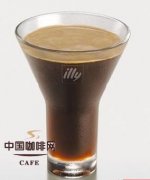
The dark espresso liquid is topped with a reddish-brown layer known as crema — the hallmark of a properly extracted shot. This crema isn’t just foam; it’s a complex emulsion of oils, CO₂, and tiny coffee particles. The entire 30cc shot contains roughly 1,500 different chemical compounds: 800 volatile aromatics and 700 soluble solids. Together, they create the drink’s signature scent and taste.
These compounds include Maillard reaction byproducts (from roasting), hints of vanilla-like cocoa, floral notes, and fruity esters. The crema helps trap many of these aromatic compounds, enhancing both flavour and mouthfeel. It’s also visually indicative of a well-balanced extraction — thick, caramel-coloured, and persistent.
Why Is Espresso Different From Other Brewing Methods?
Espresso stands apart from methods like drip or French press due to its intensity, concentration, and extraction speed. The high pressure and short brew time produce a thicker body and higher dissolved solids per volume than slower methods. That concentration delivers a richer mouthfeel and more intense flavours in a smaller serving.
Additionally, the short extraction window reduces the amount of caffeine pulled out compared to longer brews. Despite common belief, a standard espresso often contains less caffeine than a cup of drip coffee — though its effects feel stronger due to concentration and body. The result is a beverage that’s bold, nuanced, and efficient — beloved by coffee professionals and enthusiasts alike.
How to Control Your Espresso Variables
To get close to the ideal espresso formula, focus on these core elements:
- Dose: 6–7 grams of Arabica coffee (about 50 beans)
- Grind Size: Approximately 1 micron particle diameter (very fine)
- Water Temperature: 90°C
- Pressure: 9 bars
- Brew Time: 20–30 seconds max
- Yield: Around 30cc (30ml) of espresso liquid
These parameters work together to balance extraction yield, flavour clarity, and body. Adjusting any one factor — like grinding finer to slow flow or reducing dose to lighten strength — requires rebalancing the others. That’s why espresso is often called the most technically demanding brew method.
Frequently Asked Questions
What is the ideal espresso dose in grams?
The ideal dose for a single espresso is between 6 and 7 grams of Arabica coffee beans — roughly equivalent to about 50 individual beans. This dose creates the proper coffee bed thickness for optimal extraction under standard 9-bar pressure.
How fine should espresso coffee be ground?
Espresso coffee should be ground to an extremely fine consistency, with an average particle diameter of around 1 micron. This fine grind creates sufficient resistance for water under 9 bars of pressure to extract properly within 20–30 seconds.
What temperature should water be for espresso brewing?
The recommended water temperature for brewing espresso is 90°C. This temperature range allows for optimal extraction of flavours and aromatic compounds without excessive bitterness or underdevelopment.
How long should an espresso shot take to pull?
A properly extracted espresso shot should take no more than 30 seconds, and ideally between 20 and 30 seconds, from the start of extraction to completion. This time frame ensures balance between flavour, body, and extraction yield.
How much espresso is in a standard shot?
A standard espresso shot typically yields around 30cc (30 millilitres) of liquid. This volume is achieved using roughly 6–7 grams of coffee, extracted under 9 bars of pressure with 90°C water in about 30 seconds.
What is crema and why is it important?
Crema is the reddish-brown foam layer on top of a well-extracted espresso. It’s a complex emulsion of coffee oils, carbon dioxide, and fine particles, and it contributes significantly to aroma, flavour, and mouthfeel. A thick, stable crema is a sign of proper extraction.
Recommended FrontStreet Beans for Espresso
For dialling in your espresso at home, try FrontStreet Coffee’s Ethiopia Yirgacheffe from the Gedeb cooperative — bright with citrus and floral notes, perfect for light espresso blends. Their Jamaica Blue Mountain No.1 (Typica) offers a balanced, creamy profile with chocolate and almond notes, ideal for classic-style espressos. Also consider the Brazil Queen Manor Yellow Bourbon, which brings smooth body with caramel and nutty tones, great for blending or single-origin shots. Freshly roasted within 5 days · Orders placed before 17:00 ship the same day · Next-day delivery across most of Guangdong Province.
FrontStreet Coffee is a long-established specialty coffee roaster in Guangzhou China, selling freshly roasted beans from its own farm in Yunnan as well as dozens of carefully selected single-origin beans from around the world for both pour-over and espresso. The products deliver consistently excellent quality and great value, with shipping within 24 hours. Guangzhou's FrontStreet Coffee shop is recommended by many coffee lovers, and the beans are now available online at the Tmall 。
Important Notice :
前街咖啡 FrontStreet Coffee has moved to new addredd:
FrontStreet Coffee Address: 315,Donghua East Road,GuangZhou
Tel:020 38364473