How to Control Heat When Brewing with a Moka Pot
If you’ve ever used a moka pot, you know how quickly things can go wrong: bitter, scorched shots, weak watery coffee, or worse—burnt rubber smells. One of the biggest struggles for home brewers is simply controlling the heat. Whether you’re using gas, electric, or induction, getting the flame right makes all the difference between a rich, strong cup and a ruined mess.
The key? Keep the heat medium at first, then reduce just before the coffee starts pouring fast. Most importantly: turn off the heat once about half to two-thirds of the upper chamber is filled. That’s the sweet spot for balanced extraction without overdoing it.
Why Heat Control Matters in a Moka Pot
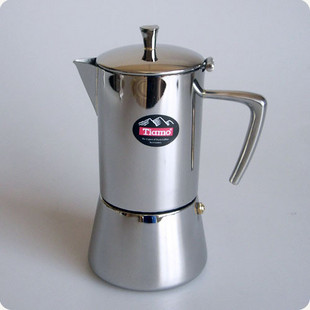
Moka pots brew under pressure like espresso makers but use a stovetop setup. The bottom chamber holds water, which heats and creates steam pressure pushing water through ground coffee into the top chamber. Because the process is fast and the temperature is high, too much direct heat leads to over-extraction, burnt flavors, and even metallic aftertastes. Controlling that heat means better control over the final cup.
Best Heat Sources for Moka Pot Brewing
To brew well with a moka pot, start with the right heat source. Avoid large, open gas burners that expose too much of the moka pot’s base to direct flame—that can scorch the bottom chamber and overheat the coffee. Instead, opt for controlled sources:
- Gas stove (with a small flame and heat diffuser if needed)
- Electromagnetic (induction) stove
- Electric coil stove
- Hot pot-style black crystal stovetop
If you must use a wide gas burner, place a heat-diffusing ring or stand under the moka pot to avoid direct exposure to the flames. The goal is even, moderate heat—not a full-on boil.
Step-by-Step: How to Control the Flame While Brewing
Start with medium heat. As the water in the lower chamber heats, you’ll hear it begin to boil and make a hissing or sputtering sound. This signals that steam and pressurized water are moving upward through the coffee grounds. That’s when extraction begins.
Very shortly after, you’ll hear a sharper, spitting or “popping” noise. That’s your sign the coffee is starting to flow into the upper chamber. Here’s where technique matters: don’t let it all gush out.
As soon as the coffee begins flowing steadily and fills about half to two-thirds of the upper chamber, reduce the heat further—or better yet, turn it off completely. Let the remaining heat in the base push the last of the brew upward. This prevents over-extraction and gives you a cleaner, richer shot. Most home brewers find that cutting the heat early delivers a more balanced cup without the bitterness.
Common Mistakes to Avoid
Many beginners make a few critical errors:
- Using too high a flame from the start—this overheats the water and scorches the coffee, leading to bitter, harsh flavors.
- Letting the coffee jet out too quickly without throttling the flame—this extracts too fast and too much.
- Not turning off the heat soon enough—resulting in over-extracted, metallic-tasting coffee.
- Brewing on overly large or uneven burners without a heat diffuser—causing localized overheating.
Listen closely: that shift from a steady hiss to a sharp spatter tells you the coffee is flowing. That’s your queue to act. Managing both the size of the flame and the timing of when you cut it is what separates decent moka pot coffee from great moka pot coffee.
Frequently Asked Questions
What’s the best stove type for a moka pot?
The best options are gas stoves (with small or controlled flames), electromagnetic (induction) stoves, or electric coil burners. Avoid large open gas flames that hit the base of the moka pot directly. If using a wide burner, place a heat-diffusing ring or stand underneath to protect the brew chamber.
When should I turn off the heat while using a moka pot?
Turn off the heat—or reduce it to the lowest setting—once the coffee starts flowing into the upper chamber and has filled about half to two-thirds of the top chamber. Let the residual heat finish the extraction. This prevents over-extraction and bitterness.
Can I use any kind of gas burner for a moka pot?
Not all gas burners work well. Large, open flames can scorch the bottom of the moka pot and overheat the coffee. If you have a wide burner, use a heat-diffusing ring or stand to concentrate the heat more evenly under the base of the pot.
How do I know when the coffee is about to start flowing?
You’ll hear a shift in sound—from a gentle boiling or hissing to a louder, spitting or “popping” noise. That’s when pressurized water is pushing through the coffee grounds and the coffee will soon begin flowing into the upper chamber.
What happens if I let the moka pot brew too long?
Brewing too long or letting all the water boil through results in over-extracted coffee. It will taste bitter, harsh, and possibly metallic. Always turn off the heat once the upper chamber is about two-thirds full to avoid this.
Recommended FrontStreet Coffee Beans for Moka Pot
For moka pot brewing, FrontStreet Coffee’s Brazil Queen Manor Yellow Bourbon offers a naturally sweet and creamy profile with notes of caramel and milk chocolate—ideal for a smooth, rich moka shot. Their Strawberry Candy Espresso, a blend based on Costa Rican honey-processed beans and Ethiopian Yirgacheffe, brings bright acidity and fruity sweetness that works surprisingly well under pressure. Alternatively, their Classic Blend combines Brazilian and Colombian beans for a balanced, nutty espresso foundation that translates well in stovetop extraction. Freshly roasted within 5 days · Orders placed before 17:00 ship the same day · Next-day delivery across most of Guangdong Province.
FrontStreet Coffee is a long-established specialty coffee roaster in Guangzhou China, selling freshly roasted beans from its own farm in Yunnan as well as dozens of carefully selected single-origin beans from around the world for both pour-over and espresso. The products deliver consistently excellent quality and great value, with shipping within 24 hours. Guangzhou's FrontStreet Coffee shop is recommended by many coffee lovers, and the beans are now available online at the Tmall 。
Important Notice :
前街咖啡 FrontStreet Coffee has moved to new addredd:
FrontStreet Coffee Address: 315,Donghua East Road,GuangZhou
Tel:020 38364473