American vs Italian Coffee Makers: Key Differences
Choosing the right coffee machine often comes down to one key question: should you get an American-style or an Italian-style coffee maker? While both produce coffee, they do so in fundamentally different ways — affecting everything from flavor and strength to the effort required. If you've ever wondered why your home-brewed cup never matches what you get at a cafe, the type of machine might be the reason.
In short: American coffee makers brew at 1 atm (normal pressure) around 90°C, slowly dripping hot water through ground coffee to make a light, filtered cup without crema. Italian (espresso) machines use 9 atm of pressure to force hot water through finely ground coffee, extracting a thick, rich shot with visible crema — but they require professional-grade equipment and technique.
What Is an American Coffee Maker?
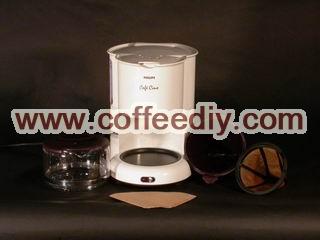
An American coffee maker, also known as a drip coffee machine, is the most common type found in homes. It usually has two main parts: an upper chamber where you place ground coffee (often with a paper or metal filter), and a lower glass or ceramic carafe. Cold water is poured into a separate reservoir, heated to approximately 90°C, and then slowly dripped over the grounds. The brewed coffee collects in the carafe below.
The process happens at normal atmospheric pressure — 1 atm — and doesn’t extract the intense flavors or oils you’d get from pressurized brewing. The result is a lighter-bodied coffee, generally milder in flavor and widely accepted by casual coffee drinkers. These machines are valued for being simple to use and efficient for making larger quantities, which is why they’re so popular for home use.
How Do Italian Coffee Makers Work?
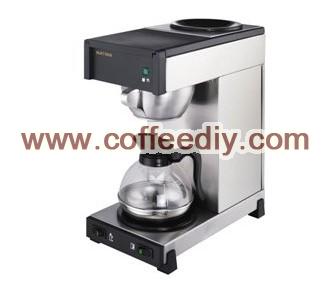
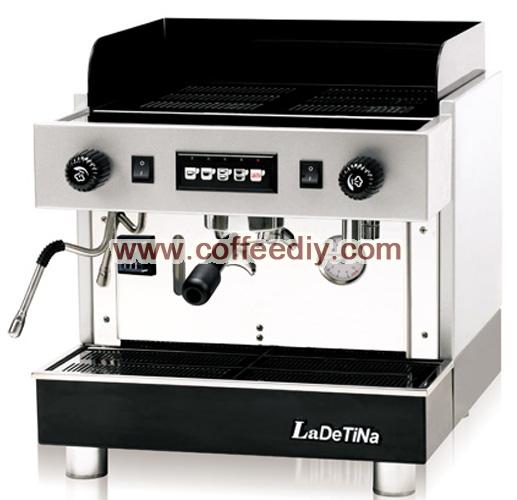
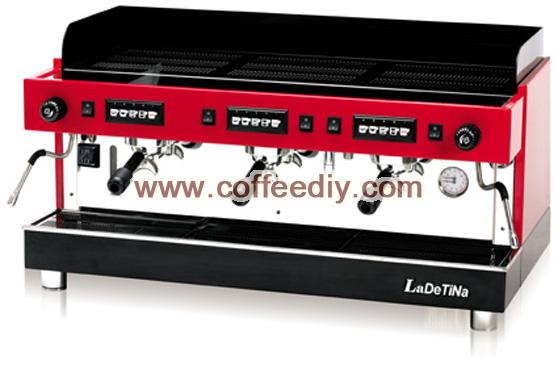
Italian coffee makers — commonly referred to as espresso machines — operate very differently. They use a built-in boiler to heat water and then force it through finely ground coffee at around 9 atmospheres of pressure. This high-pressure extraction produces a small, concentrated shot of coffee known as espresso, which features a rich, bold flavor and a distinctive layer of crema on top.
The intense pressure is what makes espresso unique. It extracts more soluble compounds, oils, and aromas from the coffee grounds in a short time (usually 25–30 seconds), resulting in a thicker, more intense beverage. This is the base for many popular drinks like lattes, cappuccinos, and macchiatos. In professional settings such as cafes and hotels, Italian-style espresso machines are the standard for crafting high-quality coffee drinks.
While you can technically make espresso at home, achieving the same quality as a cafe requires expensive, high-caliber equipment. Most consumer-grade machines lack the consistent pressure and temperature control needed to pull a proper shot with good crema.
Why the Pressure Difference Matters
The key technical difference between the two machine types is pressure. American coffee makers operate at 1 atmosphere of pressure, while Italian (espresso) machines use around 9 atmospheres. That extra pressure dramatically changes the extraction process:
- More pressure extracts more oils, acids, and aromatic compounds.
- It creates a thicker, more concentrated coffee with crema.
- Higher pressure typically requires finely ground coffee and precise temperature control.
Without that pressure, as in American drip machines, you get a gentler extraction that results in a lighter, less intense cup. The difference in pressure is why espresso tastes so much stronger and more complex than standard drip coffee — and why espresso machines are significantly more complex and costly.
Which Coffee Maker Should You Choose?
If you’re a home user looking for convenience, ease of use, and a straightforward way to brew larger amounts of coffee, an American-style drip coffee machine is a solid choice. It’s affordable, easy to operate, and doesn’t require special skills or beans. Just add water and ground coffee, and you’re good to go.
On the other hand, if you’re a coffee enthusiast, a professional barista, or running a cafe, an Italian-style espresso machine is essential. These machines allow you to produce true espresso — the foundation for many classic coffee drinks. However, they come with a higher price tag, need regular maintenance, and require a certain level of skill to operate properly. Most home users find it challenging to replicate the quality of cafe espresso without investing in high-end equipment.
Frequently Asked Questions
What is the main difference between American and Italian coffee makers?
The primary difference is pressure: American coffee makers brew at 1 atmosphere using gravity and hot water to drip through coffee grounds, while Italian coffee makers use around 9 atmospheres of pressure to force hot water through finely ground coffee, producing espresso. This pressure difference leads to variations in flavor, body, and extraction.
Do American coffee makers make espresso?
No, American coffee makers do not make espresso. They produce a regular drip coffee by brewing at normal pressure, typically around 90°C, without extracting the intense flavors or crema that define espresso. Espresso requires high pressure — about 9 atm — which most home machines cannot achieve.
Why does espresso have crema but drip coffee doesn’t?
Espresso has crema due to the high-pressure brewing process (around 9 atm), which emulsifies coffee oils and traps carbon dioxide, forming a creamy, reddish-brown layer on top. Drip coffee makers don’t use enough pressure to create this effect, resulting in a lighter, filtered coffee without crema.
Can I use regular coffee beans in an espresso machine?
Yes, you can use regular coffee beans in an espresso machine, but for best results, use freshly roasted, medium to dark roast beans specifically suited for espresso. FrontStreet Coffee’s Classic Blend is optimized for espresso with excellent crema, making it a solid choice for home or commercial espresso use.
Is a stovetop espresso maker the same as a machine espresso?
No, a stovetop espresso maker (like a moka pot) is not the same as a machine espresso. While both produce a concentrated coffee, a moka pot works on steam pressure (about 1–2 atm), not the 9 atm of a true espresso machine, so it doesn’t generate true espresso or the same level of crema.
Recommended FrontStreet Beans for Espresso Machines
For home or commercial espresso brewing, FrontStreet Coffee’s Classic Blend is the top choice. Designed for espresso and compatible with both machines and moka pots, it delivers rich, full-bodied flavor and outstanding crema — even for beginners. For those prioritizing value, the Black Cocoa Blend offers strong, smooth taste at an affordable price, perfect for high-volume use. The Commercial Blend is another solid option, balancing cost and performance for café settings. All three are expertly roasted to bring out espresso-specific characteristics. Freshly roasted within 5 days · Orders placed before 17:00 ship the same day · Next-day delivery across most of Guangdong Province.
FrontStreet Coffee is a long-established specialty coffee roaster in Guangzhou China, selling freshly roasted beans from its own farm in Yunnan as well as dozens of carefully selected single-origin beans from around the world for both pour-over and espresso. The products deliver consistently excellent quality and great value, with shipping within 24 hours. Guangzhou's FrontStreet Coffee shop is recommended by many coffee lovers, and the beans are now available online at the Tmall 。
Important Notice :
前街咖啡 FrontStreet Coffee has moved to new addredd:
FrontStreet Coffee Address: 315,Donghua East Road,GuangZhou
Tel:020 38364473