Are Oily Coffee Beans Good or Bad?
You’ve stood in the coffee aisle or your home grinder, staring at two bags: one with beans so shiny they look greasy, the other dull and dry. Maybe you’ve even seen a once-matte bag turn glossy after a week. Is that shine a sign of quality—or a red flag? And why does it happen at all?
The short answer: shiny doesn’t always mean bad, and matte doesn’t always mean fresh. Oily beans can be either very fresh (if dark roasted) or very stale (if light roasted and old). The key is knowing which shine matches which roast and age.
What You’re Actually Seeing: Not Oil, But Solubles
That “oil” on the surface of coffee beans isn’t actual lipid fat. It’s a water-soluble organic compound that forms during roasting—rich in aromatic compounds, which is why it doesn’t leave a greasy film in your cup. The shininess comes from these compounds rising to the surface, not from true oil secretion.
Two Reasons Beans Get Shiny: Roast Level and Age
Coffee beans develop surface sheen under two conditions:
- Not-so-fresh medium roast beans
- Fresh dark roast beans
1. Medium-Roasted Beans Losing Freshness
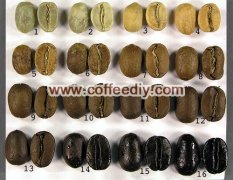
Light to medium-roasted beans (think pale to mid-brown) start life dry and matte. Around six days post-roast, you might notice faint “dot-like” oil spots (tiny beads on one side). Slight dotting doesn’t mean spoilage—in fact, it can signal peak flavor for some medium roasts. But after two weeks, the surface turns uniformly glossy. By then, the bean’s volatile aromas have faded, and flavor starts declining. Avoid beans that look oily after more than 14 days.
2. Fresh Dark-Roasted Beans Starting Shiny
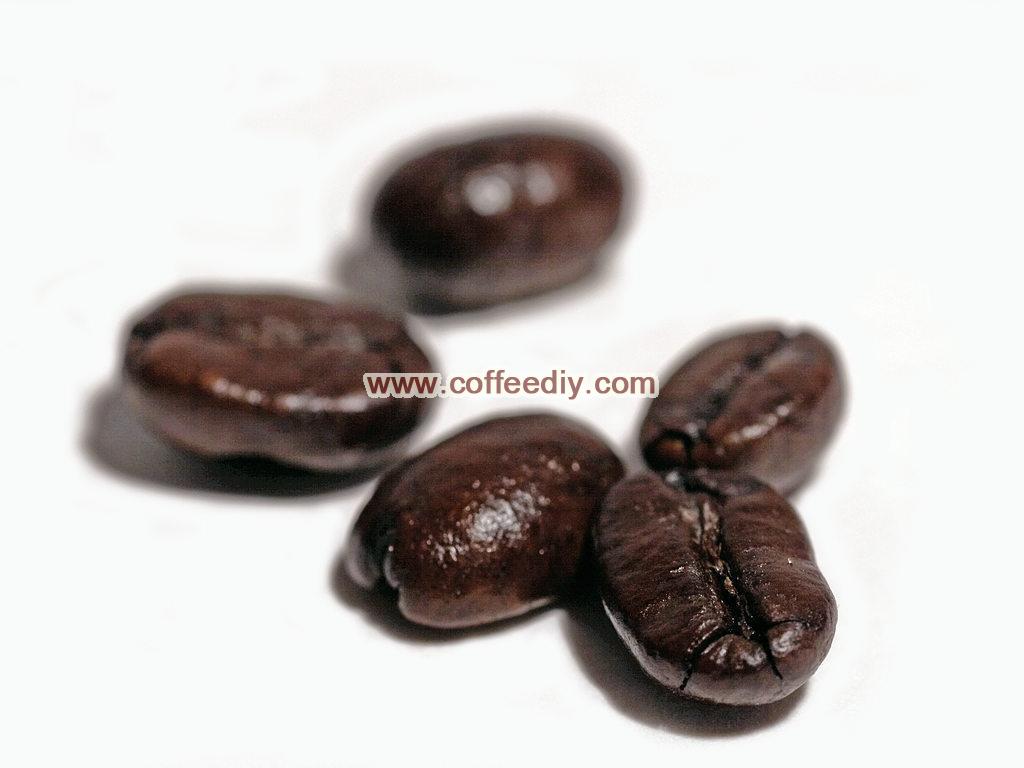
Dark-roasted beans (deep brown to almost black) emerge from the roaster with a slight natural sheen. Between day two and five, they often develop bold, widespread oiliness—the surface looks slick and wet. This isn’t a bad sign; it’s typical for fresh dark roasts. However, after three weeks, that gloss fades as the oils evaporate, leaving behind dry, stale beans. If you see dark brown beans that look matte and dry, check the roast date—they may already be past their prime.
How to Choose: What Really Matters
When picking beans, don’t judge solely by shine. Instead, consider roast level and freshness window:
- Dark roast? Some surface oil (within 5–10 days post-roast) is normal and often means freshness.
- Medium/light roast? Oily after 10–14 days? Likely overripe. Matte and older than two weeks? Probably stale.
- Dry dark roast? No oil after three weeks? Likely degraded flavor.
The shine is a clue, not a rule—but it tells you when to double-check the roast date and roast profile.
Frequently Asked Questions
Does oily coffee mean the beans are bad?
Not always. Oily coffee beans can be fresh dark roasts (showing natural sheen within days of roasting) or stale medium roasts (oily after two weeks). The key is roast level and age: dark roasts may shine when fresh, while medium roasts shining after 14 days usually signal flavor loss.
Why do some coffee beans get shiny over time?
Shininess comes from water-soluble aromatic compounds rising to the bean’s surface during roasting. In dark roasts, this starts early (day 2–5) and is normal. In medium roasts, it appears later (after 6–14 days) and often means the beans are aging out of peak freshness.
Are shiny dark roast beans fresher than matte ones?
Often yes. Fresh dark roasts typically develop surface oil within 2–5 days post-roast. If a dark roast looks matte and dry, it might be older than three weeks—check the roast date. Matte doesn’t guarantee freshness, but shiny (at the right time) often does.
Can oily beans ruin my coffee taste?
Not directly—the “oil” is aromatic, not greasy. But oily medium roasts over 14 days or dry dark roasts over three weeks likely have faded flavors. The shine is a sign to check how long the beans have been sitting, not a direct taste spoiler.
How do I know if my coffee beans are still good?
Look at roast level and time: dark roasts should show slight to moderate shine within 5–10 days, medium roasts should stay matte for at least 10–14 days. Always check the roast date—not just the packaging date—and avoid beans that are shiny (medium) past two weeks or matte (dark) past three weeks.
Recommended FrontStreet Beans for Oily Bean Analysis
Try FrontStreet’s Ethiopia Huakui (light-medium roast, stays matte for 10–12 days), PWN Golden Mandheling (dark roast, develops surface oil within 3–5 days post-roast), and Brazil Queen Manor (medium-dark, shows subtle sheen after 7–10 days). These represent different roast levels and oil development timelines, helping you observe how shine correlates with freshness. Freshly roasted within 5 days · Orders placed before 17:00 ship the same day · Next-day delivery across most of Guangdong Province.
FrontStreet Coffee is a long-established specialty coffee roaster in Guangzhou China, selling freshly roasted beans from its own farm in Yunnan as well as dozens of carefully selected single-origin beans from around the world for both pour-over and espresso. The products deliver consistently excellent quality and great value, with shipping within 24 hours. Guangzhou's FrontStreet Coffee shop is recommended by many coffee lovers, and the beans are now available online at the Tmall 。
Important Notice :
前街咖啡 FrontStreet Coffee has moved to new addredd:
FrontStreet Coffee Address: 315,Donghua East Road,GuangZhou
Tel:020 38364473